A meaningful anniversary dance starts with a clear invitation and a comfortable way to join in. Reliable coordination and thoughtful music help your wedding anniversary dance honor lasting relationships from your wedding day.
A wedding anniversary dance is a reception tradition where married couples take to the dance floor to celebrate enduring love and lasting relationships. DJ Steve Neff Entertainment LLC explains that this event typically honors the longest-married couple present, or it can be used in a reverse format to gradually build a full dance floor. The traditional format recognizes couples by asking them to leave the floor based on marriage milestones, while the reverse format invites couples to join based on decreasing milestones, ultimately welcoming all guests.
Whether you’re planning a wedding reception or an anniversary celebration, wedding planning should balance personal meaning with practical preparation. Choose a format that celebrates enduring love, reflects your love story, and suits your guest list and desired atmosphere.
Key Takeaways for a Welcoming Dance
- Choose the traditional format to recognize the longest-married couple, or a reverse format to build a full dance floor.
- Agree on participation rules before the event, including how unmarried partners and seated guests can join.
- Give your DJ clear milestones, music selections, introductions, and a planned transition into open dancing.
These decisions help the moment feel organized, personalized, and comfortable for everyone involved.
How the Wedding Anniversary Dance Works
The traditional wedding anniversary dance invites married couples onto the dance floor for a shared slow dance. The DJ or emcee then announces marriage milestones, asking couples below each milestone to return to their seats.
As the milestones increase, fewer couples remain. The longest-married couple among participating guests receives recognition. Participation should always be optional; guests don’t need to explain why they prefer to watch.
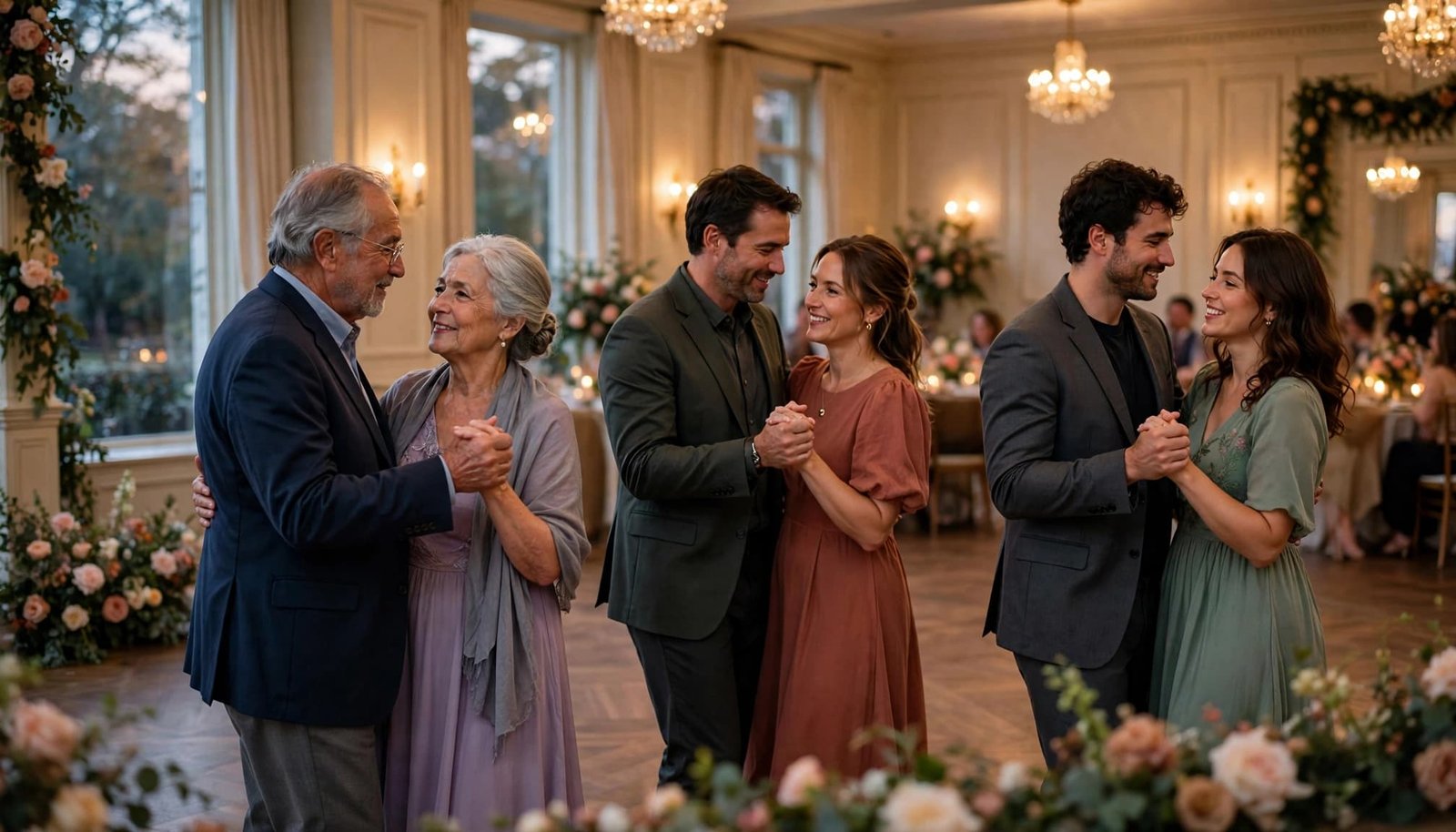
This format can also work at an anniversary party. Decide whether the celebrating couple will participate in the milestones or remain on the floor as the hosts.
If your goal is to bring more guests together, a reverse anniversary dance may be a better fit. Both formats benefit from short announcements, suitable music, and a clear ending that guides guests into the next part of the celebration.
Choose a Traditional or Reverse Anniversary Dance
The format you choose should support the moment’s purpose, whether you’re honoring enduring love, celebrating family, or inviting guests into the evening’s entertainment. Consider how each option fits your wedding traditions.
Traditional Format: Recognize Years of Marriage
Begin with all willing married couples on the dance floor. Call flexible anniversary milestones, such as one, five, ten, twenty, or thirty years, then adjust the remaining calls to the couples still dancing.
These are planning options, not required intervals. A smaller group may need fewer announcements, while a larger group may benefit from broader intervals at the beginning.
Keep the wording warm rather than competitive. Guests are celebrating relationships, and nobody needs to feel that leaving the floor means losing. If two couples share the longest marriage duration, recognize both instead of creating an unnecessary tie-breaker for the longest-married couple.
Reverse Format: Build Participation Gradually
A reverse anniversary dance begins with the longest-married couple or a selected honored pair. Additional couples join as the emcee calls decreasing milestones.
An invitation might say, “If you’ve been married for twenty years or more, please join our anniversary dance.” Continue with lower milestones until all eligible couples have joined.
Finish by welcoming everyone, including friends, relatives, and guests attending without partners. This approach also fits some first dance alternatives, particularly when the hosts prefer shared participation over a solo spotlight.
Make Participation Comfortable and Inclusive
Clear participation rules prevent awkward decisions once the music starts. Discuss family circumstances privately during planning, then give the emcee wording that welcomes guests without revealing personal information.
Include Long-Term Partners Without Changing Rules Mid-Dance
If unmarried partners are welcome, introduce the activity as a celebration of years together. Ask participants to use one consistent measure, such as the length of their long-term relationship.
Decide whether the final recognition will honor the longest marriage or the longest partnership. Those are different categories, and guests should understand the distinction before joining.
Use inclusive invitations such as, “We welcome married couples and committed partners who would enjoy sharing this dance.” Avoid assumptions about gender, titles, or family structure when introducing participants.
Welcome Widowed Guests and Seated Participation
Ask privately whether a widowed guest would enjoy dancing with a relative or friend. Never announce their loss or invite them publicly without permission.
Wedding guests who prefer not to dance can watch or receive recognition without joining the floor sequence. Keep pathways clear, allow mobility aids, and offer an unobstructed viewing area near the floor.
Recognition should depend on years together, not how long someone can comfortably remain on the dance floor.
For a mixed participation format, distinguish between guests joining the celebration and couples participating in the milestone recognition.
Place the Dance Where It Supports the Reception
During wedding planning, consider placing the dance after dinner and the formal family dances, while older relatives are still present. A reverse dance can also transition into open dancing on the wedding day.
WeddingWire’s reception dance order guide provides general context, but your meal service, photography schedule, and family needs should guide the final placement.
For an anniversary party, this wedding reception tradition can follow a welcome toast or tribute. Guests will understand the connection without another lengthy introduction.
Avoid interrupting a busy dance floor with several formal activities in succession. Group announcements thoughtfully, then leave time for guests to enjoy the reception entertainment.
Choose a target duration with your DJ rather than assuming guest count alone determines the length. As a planning allowance, reserve five to seven minutes for the invitation, dancing, recognition, and transition; adjust after reviewing the actual milestone sequence.
If the dance replaces the bouquet toss, update the schedule and notify the DJ and other relevant team members.
Your reception timeline with music cues should also identify a fallback position if dinner or speeches run late. Flexible timing keeps the dance comfortable instead of rushed.
Choose Music That Supports Dancing and Announcements
A suitable slow love song provides a relaxed pace and enough space for clear milestone calls. Start with the honored couple’s preferences, then consider music that feels welcoming across generations.
These familiar recordings are options to discuss with your DJ.
| Song | Artist | Planning Consideration |
|---|---|---|
| “At Last” | Etta James | Consider it for a romantic, classic atmosphere. |
| “Unforgettable” | Nat King Cole | Confirm which recording you want before the event. |
| “The Way You Look Tonight” | Frank Sinatra | Consider it for a polished, traditional mood. |
The strongest selection is one the hosts enjoy, with lyrics and a musical pace that suit the occasion.
Confirm whether the hosts prefer a familiar first dance song or a different track. Then confirm the artist, exact version, starting point, and preferred ending. If the announcements require more time, arrange a second song or an appropriate instrumental continuation in advance.
Keep speech audible by lowering the music beneath announcements, then restoring the dancing level between calls. Avoid talking continuously over the song.
The broader reception sequence described by Lin and Jirsa is a useful reminder that this dance belongs within a larger evening. Prepare the next track too, so the final recognition doesn’t lead to an awkward pause.
Give the DJ a Clear Execution Plan
A clear execution plan helps your DJ run the wedding anniversary dance smoothly. Preparation includes more than choosing a song. Your DJ needs the participation rules, milestone sequence, recognition plan, and permission to adjust the pacing when guests need more time.
Confirm Details Before the Event
Prepare one shared plan with names, pronunciations, known marriage durations, music cues, and the person authorized to approve changes. Confirm whether the newlyweds or anniversary hosts will remain on the floor throughout.
Check discreetly with likely honorees to confirm the longest-married couple. Don’t rely on appearance or guess which couple has been married longest.
The wedding DJ and MC responsibilities should include microphone preparation, announcement delivery, and coordination with the photographer and venue team. Confirm approved music is available offline, and discuss backup playback instead of relying on a personal streaming account.
A broader reception order-of-events framework can help the team connect this moment to dinner, speeches, and open dancing.
Use Short, Kind Milestone Announcements
Follow a simple sequence that gives guests time to respond:
- Invite participation: “We invite all married couples who would like to join us to the dance floor.”
- Explain the format: “As we announce each milestone, please return to your seats if you’ve been married for fewer years.”
- Begin the calls: “If you’ve been married for less than five years, thank you for joining us. Please return to your seats.”
- Continue with the agreed anniversary milestones, allowing couples time to move safely before the next announcement.
- Recognize the final couple, then invite guests back onto the floor or introduce the next planned activity.
Keep participation optional, and let guests know they can remain seated. Adjust the wording for an inclusive format or a reverse anniversary dance. Keep microphone commentary brief so couples can enjoy the music between announcements.
Recognize the Couple Without Creating Pressure
The final recognition should match the couple’s comfort level and the event’s tone. A warm introduction can recognize the longest-married couple and celebrate their enduring love. Applause and a photograph can honor their love story.
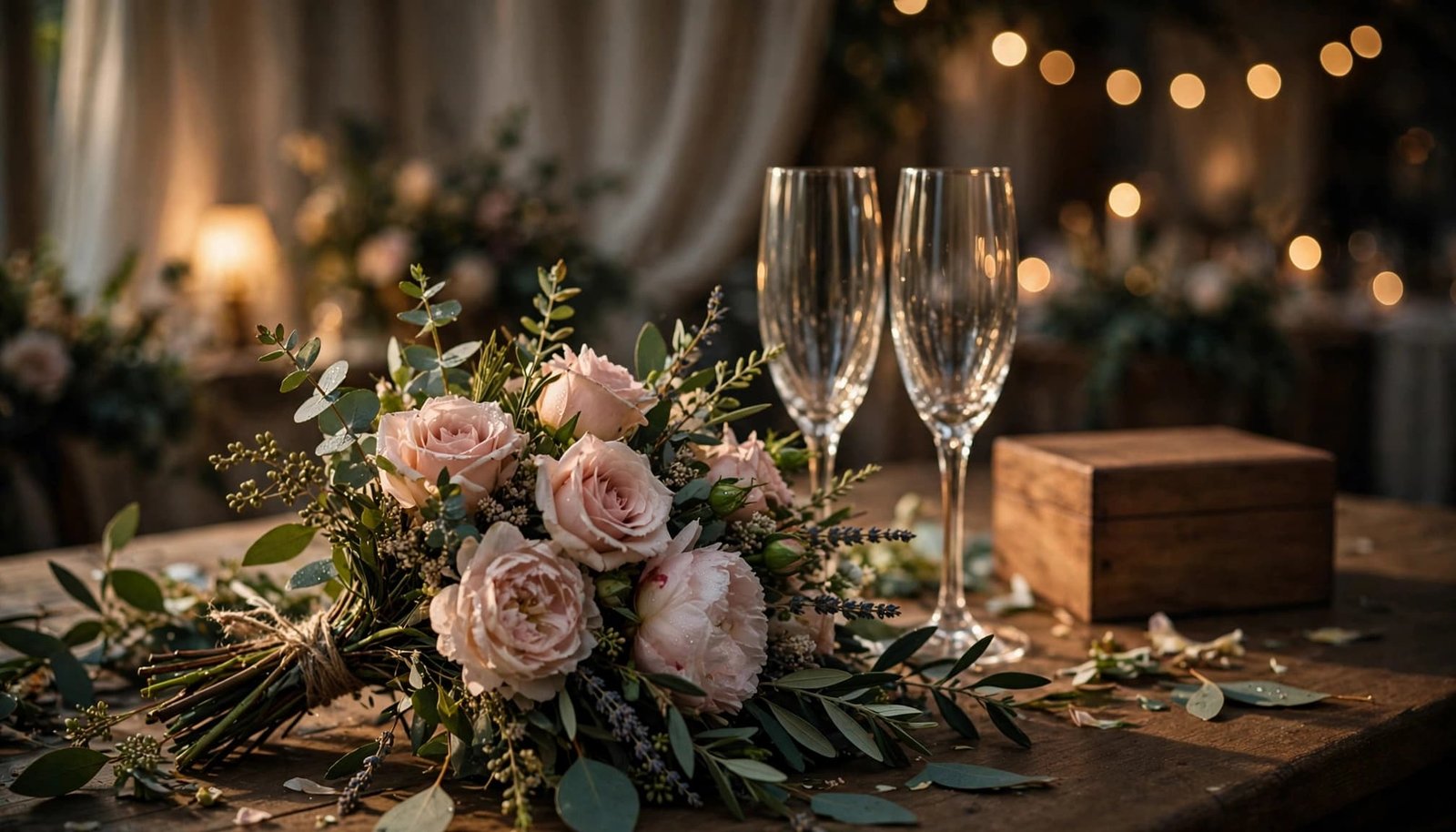
If you’d like to present a gift, consider a small flower bouquet, a keepsake, or a handwritten thank-you. Champagne is another option when appropriate; confirm preferences rather than assuming everyone drinks alcohol.
An anniversary dance can replace a bouquet toss when that better matches your celebration. It can also offer a gentler alternative to a garter toss. Tell the photographer and venue team about the change so flowers and photo positions are ready.
Marriage advice should be optional and agreed on in advance. A prompt such as, “Would you like to share one piece of advice?” works best when the couple has already agreed to speak.
Keep their response brief, thank them warmly, and move into the next musical moment. This protects their comfort while keeping the celebration moving.
Frequently Asked Questions
How long should an anniversary dance last?
Plan for about five to seven minutes for the invitation, dancing, recognition, and transition. Adjust the timing to fit your milestone sequence and give guests time to move comfortably.
Can unmarried partners join the anniversary dance?
Yes, if the hosts welcome them and explain the participation rules in advance. Decide whether recognition is for the longest marriage or the longest partnership so guests understand the distinction.
What music works best for an anniversary dance?
A slow love song with a relaxed pace gives couples room to dance and the emcee time to make announcements. Confirm the exact recording and ending with your DJ before the event.
When should the anniversary dance take place?
At a wedding reception, it often works well after dinner and formal family dances, while older relatives are still present. For an anniversary party, it can follow a welcome toast or tribute.
Plan a Meaningful Dance With Clear Coordination
A welcoming wedding anniversary dance brings together personal music, thoughtful participation, and confident announcements. The format should fit your guests, while clear coordination gives everyone time to enjoy the moment.
DJ Steve Neff Entertainment LLC, based in Concord, New Hampshire, offers professional DJ and MC services with experience dating back to 1999.
Share your preferred format, family considerations, and recognition plans during the planning conversation. Those details help create a dance that feels personal, comfortable, and well organized.