A comfortable wedding reception feels relaxed to guests, even when a dozen moving parts work behind the scenes. A clear wedding reception timeline keeps the couple, caterer, photographer, DJ or band, coordinator, and wedding party aligned, so nobody has to guess what happens next.
Your reception schedule follows getting ready and hair and makeup within the larger wedding day timeline. Create a comfortable rhythm instead of packing each minute with formalities: welcome guests, serve dinner before hunger takes over, keep speeches meaningful, and open the dance floor while the room still has energy.
Treat cocktail hour as the first reception phase, then use these examples as flexible starting points, not rigid prescriptions. Tailor the order to your venue, meal service, traditions, and guest list.
Key Takeaways
- Use your wedding reception timeline as a flexible framework, with clear phases for guest arrival, dinner and spotlight moments, and open dancing.
- Add 10 to 15 minutes of buffer time between major transitions to account for portraits, bustling the dress, transportation, and meal service delays.
- Let dinner service determine the timing of speeches, dances, and other formalities, allowing more time for buffets, family-style meals, and larger guest counts.
- Give your DJ, band, caterer, photographer, coordinator, and other wedding vendors a shared run sheet with music cues, responsibilities, contact details, and backup plans.
- Protect at least 90 minutes for dancing at a four-hour reception, and two hours or more for a five- or six-hour celebration so the dance floor becomes the reward of the evening.
Build the Reception Around the Moments That Matter
A wedding reception often runs four to six hours, with the first hour reserved for drinks and mingling. Use this wedding reception timeline as a framework for four-, five-, and six-hour examples. A four-hour reception can feel full and festive when events are well-paced. A five- or six-hour celebration gives you more room for a relaxed meal, cultural traditions, extended dancing, or a final bite.
Compared with the broader wedding day timeline, the reception begins after earlier milestones such as getting ready and hair and makeup. Protect the start time so those appointments don’t compress the celebration.
The strongest schedule has three natural phases:
- Arrival and anticipation, when guests enjoy cocktail hour and find their seats.
- Dinner and spotlight moments, when dinner service determines when guests can comfortably shift into the formal program. These moments include the wedding party’s grand entrance, first dance, and speeches.
- A full dance floor, when formal events are complete and guests can settle into the celebration.
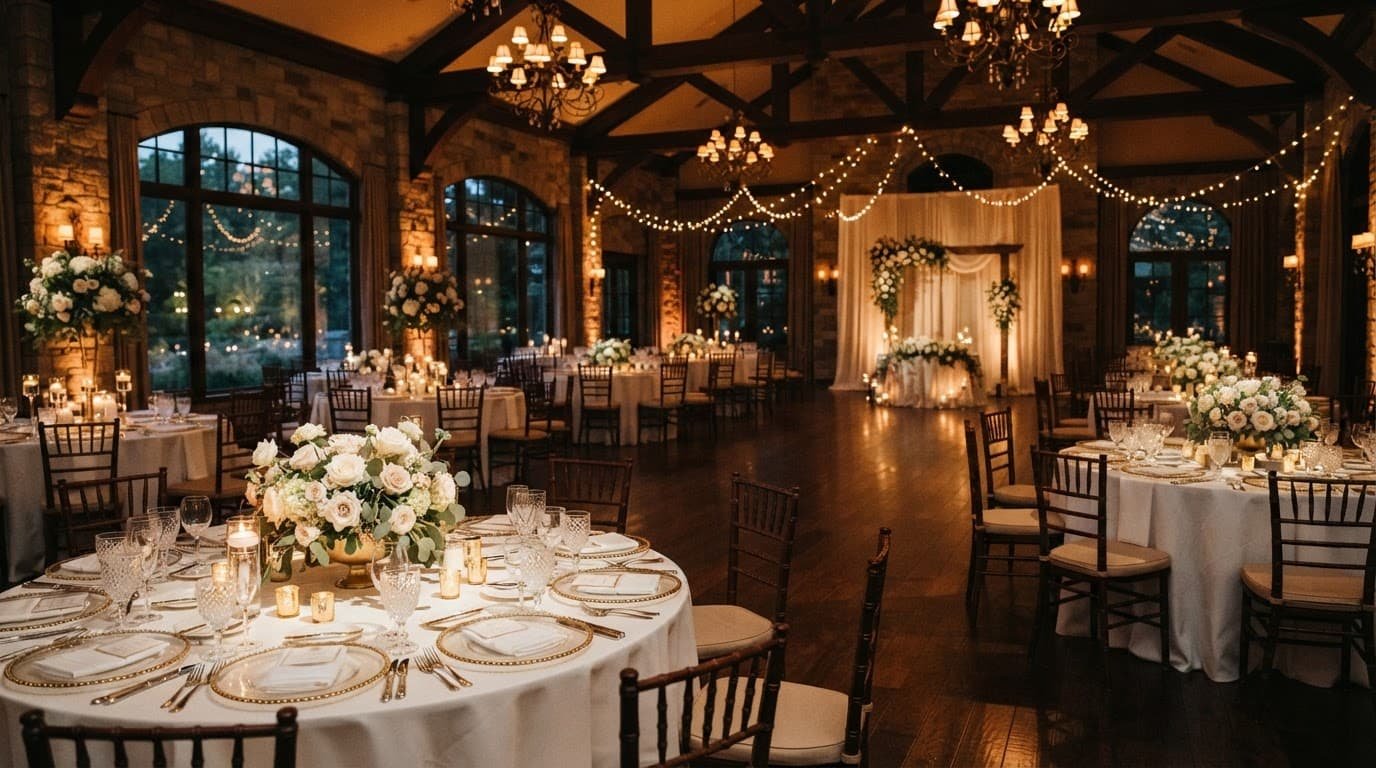
Music connects those phases. Your DJ or band can use it to signal an entrance, bring people toward the dance floor, soften the room during dinner, and build momentum after each announcement. A well-timed cue feels natural. A rushed announcement or dead silence can make even a beautiful room feel unsettled.
Plan for 10 to 15 minutes of buffer time between major transitions. Portraits can take longer, dresses need bustling, and food service can run late. That breathing room protects the mood when real life delays any of them.
Your wedding schedule should clarify the order of events while still leaving breathing room.
The reception does not need more formalities. It needs clear transitions, good timing, and enough room for guests to enjoy the people around them.
A Four-Hour Wedding Reception Timeline With Music Cues
This four-hour wedding reception example starts with a one-hour guest-mingling period. It suits couples who want dinner, traditional highlights, and plenty of dancing without stretching the night too long.
Before setting this start time, confirm that getting ready includes enough time for hair and makeup before the reception begins.
Sample schedule: guest arrival at 5:30 p.m., reception ends at 10:30 p.m.
| Time | Reception moment | Music cue and purpose |
|---|---|---|
| 5:30 p.m. | Cocktail hour begins | Light, upbeat background music welcomes guests without competing with conversation. |
| 6:20 p.m. | Guests are invited toward dinner | A warm instrumental transition signals that the reception room is opening. |
| 6:30 p.m. | Grand entrance | A high-energy cue introduces the couple and wedding party. |
| 6:40 p.m. | First dance | A spotlight song creates a focused, emotional moment while guests are seated. |
| 6:45 p.m. | Welcome toast | Soft music fades out, then returns quietly as dinner begins. |
| 6:50 p.m. | Dinner service | Familiar, low-volume music supports conversation and keeps the room comfortable. |
| 7:30 p.m. | Parent dances | A brief sentimental cue brings guests back to the dance floor before energy drops. |
| 7:40 p.m. | Toasts | A short music sting gathers attention, then silence gives speakers the room. |
| 8:00 p.m. | Cake cutting | A cheerful cue invites guests to watch and signals that dessert service is starting. |
| 8:10 p.m. | Open dance floor | A recognizable, upbeat floor opener encourages guests of different ages to join quickly. |
| 9:30 p.m. | Late-night snacks (optional) | A brief refresh can help after a long set, but it shouldn’t interrupt the strongest dance set. |
| 10:15 p.m. | Last dance | A meaningful final song gathers guests for a closing moment. |
| 10:25 p.m. | Grand send-off | An upbeat exit cue creates a celebratory finish. A sparkler exit is optional and depends on venue rules and weather. |
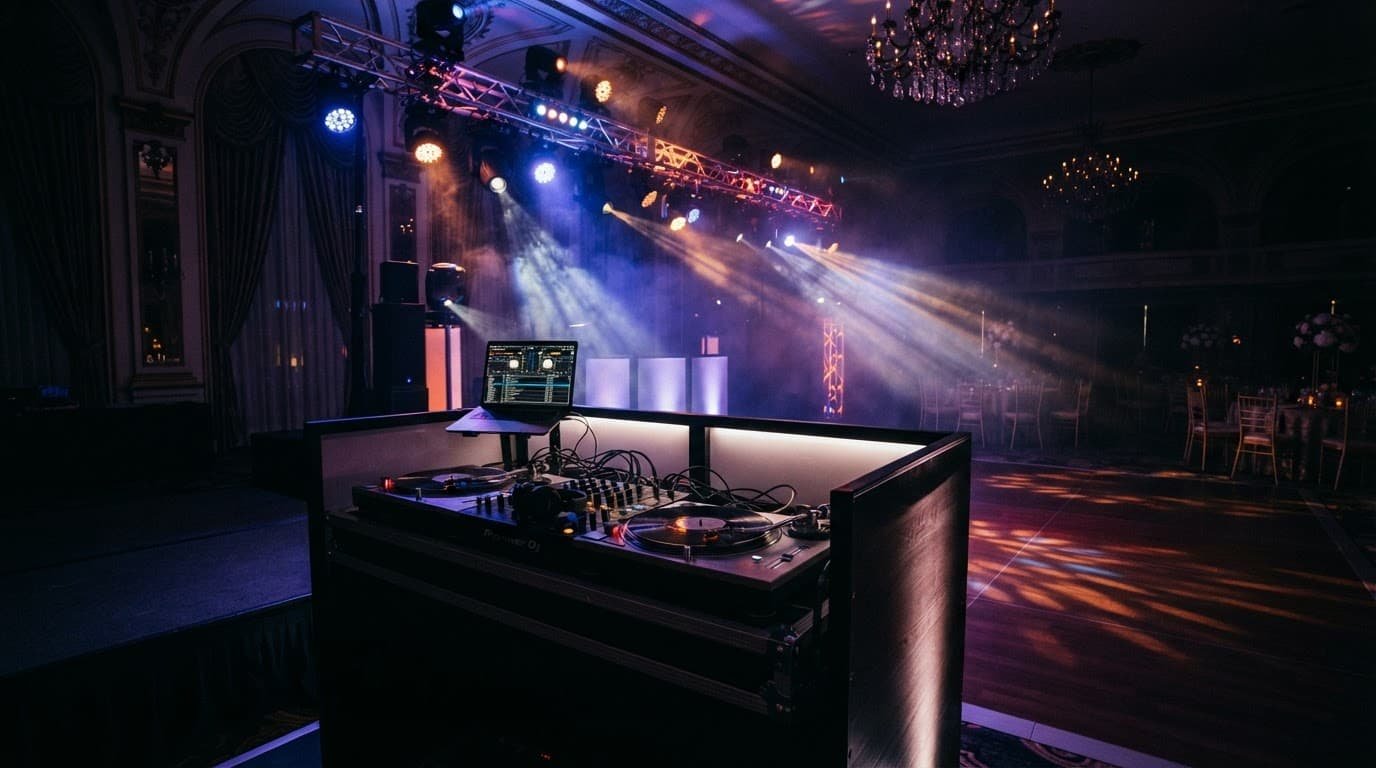
This order feeds guests early, spaces formal moments apart, and leaves more than two hours for dancing. It also gives the photographer time to capture each event before stepping away from the reception.
For a shorter event, a plated meal may leave less flexibility than a buffet dinner, so move these family moments before dancing if needed. Keep the combined block under 10 minutes, especially if guests are eager to celebrate.
A Five-Hour Wedding Reception Timeline for a More Relaxed Night
A five-hour wedding reception creates a relaxed evening and gives dinner service more space. It suits larger guest counts, a plated meal, or a live band with set breaks. It also works for couples who want longer conversations during cocktail hour before dinner.
A longer reception can absorb a delay if getting ready or hair and makeup takes longer than planned. That extra room protects guest arrival and portraits without rushing the evening.
Sample schedule: Guests arrive at 5:00 p.m., reception ends at 11:00 p.m.
| Time | Reception moment | Music cue and purpose |
|---|---|---|
| 5:00 p.m. | Arrival and mingling | Polished lounge, acoustic, or genre-tailored background music sets the tone for arrival. |
| 6:00 p.m. | Guests take seats | An elegant transition cue moves guests without repeated announcements. |
| 6:10 p.m. | Grand entrance and welcome | An exciting entrance cue introduces the wedding party, followed by a quick welcome. |
| 6:20 p.m. | First dance, if held before dinner | A spotlight cue creates a formal opening, then dinner music lowers the energy comfortably. |
| 6:30 p.m. | Plated meal begins | Balanced background music keeps the room warm while catering serves each course. |
| 7:15 p.m. | First toast block | A brief attention cue brings focus to the speakers between courses or after main plates arrive. |
| 7:35 p.m. | Parent dances | Familiar, heartfelt music creates a second visual moment for guests and photos. |
| 7:45 p.m. | Dinner continues | Dinner music returns while coffee, dessert, or final plates are served. |
| 8:20 p.m. | Cake cutting | A bright celebration cue gathers the room before dessert service. |
| 8:30 p.m. | Open dance floor | A confident opening set begins with broad crowd appeal, then builds by reading the floor. |
| 9:45 p.m. | Second toast or special tradition | A short transition cue resets attention without stopping the party for long. |
| 10:00 p.m. | Dancing resumes | High-energy music carries the final hour, with requests and favorite genres mixed in. |
| 10:45 p.m. | Last dance and closing words | A final shared song gives guests a clear cue that the night is ending. |
| 10:55 p.m. | Send-off or private exit | Exit music creates movement and keeps guests engaged through the final goodbye. |
With five hours, you can separate speeches into two short blocks. That often feels better than asking guests to sit through 20 minutes of back-to-back remarks. Ask the maid of honor, best man, parents, or other speakers to keep each toast near three minutes. Four speakers can still fit comfortably in a 12- to 15-minute window.
If you want a private finale, ask the DJ to invite guests outside for the send-off first. The couple can then return to an empty dance floor for one final song before leaving.
Should the First Dance Happen Before or After Dinner?
A wedding reception timeline has no single right answer. Every wedding reception has different needs. The best placement depends on your meal service, photography plan, and room energy. Your wedding day timeline matters too, since getting ready or hair and makeup delays can shift the reception sequence.
A first dance before dinner works well when you want the reception to begin with a polished, traditional sequence. Guests are seated, the photographer is ready, and the grand entrance draws everyone’s attention before servers move through the room. It also gets an important formal moment completed early.
A first dance after dinner can feel more relaxed. Guests have eaten, and the couple can enter without rushing from portraits. Dinner service matters with a buffet dinner, since guests may still be in line after the entrance. The dance floor can fill more easily afterward.
A practical middle ground is simple: welcome guests, begin dinner, then schedule the moment after most guests have been served. The DJ can use a short announcement and a rising transition track to bring attention back to the couple. Record this choice and its fallback in your wedding schedule.
Parent dances usually take four to six minutes total. Keep them together if you prefer a compact formal program. If the father-daughter and mother-son dances carry separate emotional importance, allow a small pause. Account for photography needs when choosing distinct music cues.
Dinner Service Changes the Timing
Dinner is often the least glamorous part of the schedule, but it has an outsized effect on guest comfort at a wedding reception. Your wedding reception timeline should follow the caterer’s pace, not work against it.
Once a plated meal begins, service is fairly predictable. For 100 to 150 guests, allow 60 to 75 minutes, depending on the courses and dietary meals. Toasts can happen after guests receive their main course, since servers can pause briefly and speakers won’t compete with empty stomachs.
A buffet dinner creates more movement and usually needs 75 to 90 minutes for 100 to 150 guests. Staffing, layout, and organized table releases affect the pace. The DJ or band can play a light dinner playlist while each group is called, avoiding repeated microphone announcements.
Family-style service feels social and generous, yet platters need time to reach every table. Plan for at least 75 minutes, and avoid placing speeches as food arrives. Guests should be able to serve themselves and listen without trying to do both.
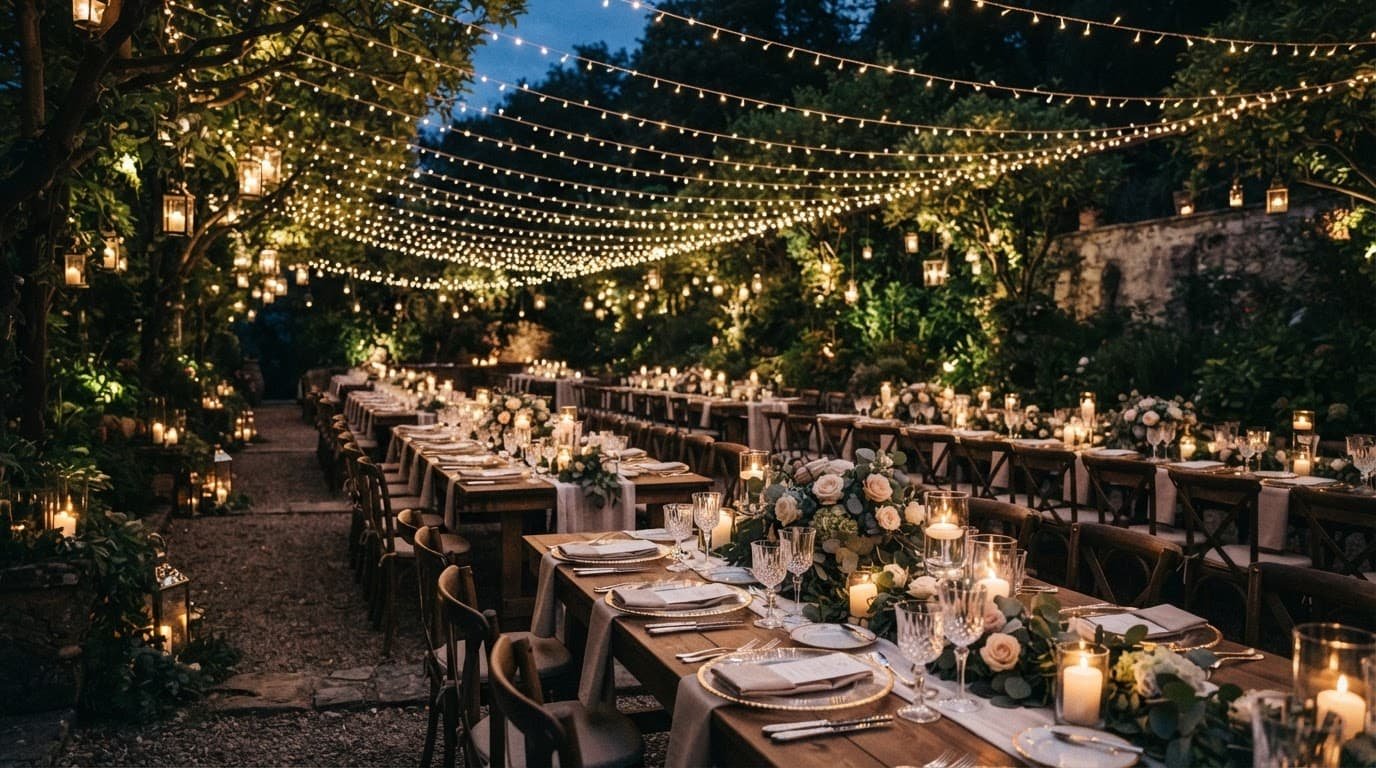
Large buffets need a floor plan that supports smooth meal traffic. Two buffet lines can help, but only when the venue has room and the caterer can staff both stations. Keep the cake table, guest book, and photo booth away from buffet traffic. Clear paths help service move faster and keep your photographer’s view open during key events.
Plan Around Your Venue, Vendors, and Buffer Time
A clear run sheet is the operational backbone of a wedding reception timeline and the broader wedding day timeline. It maps the handoff from getting ready to hair and makeup alongside photography, transportation, and guest arrival. Share the final wedding schedule with every wedding vendor sharing responsibility for the wedding reception at least one to two weeks before the event. Include the wedding planner, venue coordinator, caterer, photographer, videographer, DJ or band, and transportation team.
Your DJ needs the pronunciation of every wedding party name, the order of introductions, your selected formal music, and a clear list of people giving toasts. The photographer needs to know when family formals occur, along with the first dance, parent dances, cake cutting, and send-off. The caterer needs advance notice if speeches will pause dinner service or if a cultural tradition changes the meal schedule.
A single-page run sheet should include:
- The handoff from getting ready to hair and makeup, the end times for each, and the transportation handoff. Note arrival time, doors-open time, and when guests move from cocktail hour to dinner.
- Names and phone numbers for the lead coordinator, catering captain, photographer, DJ, and a trusted family contact.
- The order of events, their expected length, and who gives the cue to begin, including formal moments and the last dance.
- Buffer time between portraits, transportation, meal transitions, and formal moments, plus backup decisions for rain, delayed portraits, a late shuttle, or a meal that runs long.
Don’t make the newlyweds the decision-makers for every small delay. Give that role to the wedding planner, venue coordinator, or one designated contact. That person can speak with the DJ and caterer while the couple stays present with guests.
A professional DJ can adjust music length, delay a formal announcement, or extend dinner music without making the change obvious. That flexibility is one reason a detailed plan and an experienced event host work so well together.
Flexible Reception Ideas for Nontraditional and Multicultural Weddings
A flexible wedding reception should fit within a personalized wedding day timeline. It should reflect the people, families, and cultural or religious priorities in the room, not a borrowed checklist.
Traditional events remain optional, and some couples skip the wedding party entrance and walk in together. Others start dancing immediately after dinner and save the cake cutting for later, once the celebration is moving. A child-free wedding may favor parent dances, an earlier dance set, a cocktail style dinner, or a late-night lounge atmosphere without family-focused formalities.
Multicultural celebrations often need additional time, not more pressure. Some traditions happen during getting ready, before guests enter or earlier in the day. A hora may need a cleared dance floor and 15 to 20 uninterrupted minutes. A money dance, special family presentation, tea ceremony, or cultural performance needs dedicated space, clear participants, and a cue that something special is beginning.
Talk with family members early about what cannot be rushed or moved. Then build those traditions into the reception plan before filling open space with optional activities. The DJ or band should know the sequence, the names of participants, the right music style, and whether an announcement is needed.
If you are blending traditions, use transitions that feel intentional. A brief welcome can explain what guests are about to see. A musical shift can signal a new part of the evening. Clear hosting helps guests participate with confidence, even if the tradition is new to them.
Make the Dance Floor the Reward, Not an Afterthought
Guests remember the moments when the room came alive. A successful wedding reception makes that energy the payoff, so protect dancing instead of using leftover minutes after announcements.
Give the open dance floor at least 90 minutes at a four-hour reception. For a five- or six-hour event, two hours or more gives different generations and music styles room to shine. Your DJ should know the songs and genres you love, the music you don’t want played, and the right balance of Top 40, hip-hop, EDM, country, oldies, or other favorites.
Avoid placing too many formal events after the open dance floor begins. Each interruption asks guests to sit down or drift away. Build the order of events around the cake cutting when grouping a bouquet toss, anniversary dance, cultural performance, or late toast. When timing allows, late-night snacks can provide an energy reset between dance sets.
Music should match the purpose of each moment. A grand entrance creates anticipation, while the first dance and parent dances spotlight the couple and their families. Dinner music supports conversation, and spotlight songs bring attention to the couple. Dance-floor music invites participation; a last dance signals the celebration’s end, not just another final song. Those clear cues help the entire night feel organized without feeling overly programmed.
Frequently Asked Questions
How long should a wedding reception be?
A wedding reception often runs four to six hours, including cocktail hour. Four hours can feel complete with well-paced formalities, while five or six hours allows more time for dinner, traditions, and dancing.
When should the first dance happen?
The first dance can happen before dinner, after dinner, or once most guests have been served. Choose the timing that best fits your meal service, photography plan, and the energy you want at the start of the reception.
How much buffer time should a reception timeline include?
Plan for 10 to 15 minutes of buffer time between major transitions. This gives your team room to handle delayed portraits, transportation issues, dress bustling, or meal service that runs long without making the couple responsible for every adjustment.
How much time should be reserved for dancing?
Give the open dance floor at least 90 minutes at a four-hour reception. For a five- or six-hour event, two hours or more lets different generations and music styles have time to shine.
What information should be included in the reception run sheet?
Include the order and expected length of each event, music cues, vendor and coordinator contact details, meal transitions, and who is responsible for each cue. Add backup plans for rain, delayed portraits, late transportation, or a meal that runs long.
A Reception Schedule That Feels Like Your Celebration
The best wedding reception gives each important moment a place while leaving room for the unexpected. A realistic wedding reception timeline uses buffer time, a practical dinner window, and clear music cues. This protects the experience better than a packed minute-by-minute wedding schedule.
Review the full wedding day timeline, from getting ready through hair and makeup and into the reception. Before the event, agree on the final wedding schedule with your wedding planner, venue coordinator, and wedding vendors. The evening can move from formal highlights to the first dance, an open dance floor, the last dance, and a grand send-off. A sparkler exit is optional when venue and safety rules allow. When everyone understands the timing, your celebration feels smooth, personal, and memorable.