Your vow renewal should sound like the life you’ve built together, with music that brings back memories and leaves room for new ones. Choose a vow renewal DJ who listens to your vision. They can provide clear audio for your renewal ceremony, coordinate announcements, and keep dancing responsive to your guests.
The right entertainment plan supports meaningful moments without turning your anniversary into a repeat of your wedding day. Start with the celebration you want, then ask your vow renewal DJ to match the music, sound, and hosting to that vision.
Key Takeaways
- Choose a DJ based on your setting, schedule, guest count, and need for clear ceremony audio or reception hosting. A small, quiet indoor gathering may work with a Bluetooth speaker.
- Agree on the DJ’s hosting role and share one timeline and cue sheet with the DJ and officiant, including entrance order, microphones, and ceremony cues.
- Compare packages by what they include, such as ceremony sound, reception coverage, MC services, planning time, lighting, travel, and overtime.
- Plan music around the moments you want to share, keep vows easy to hear, and give the DJ a focused list of must-play and do-not-play selections.
- Put service details, charges, backup equipment, venue requirements, and responsibility for changes in writing.
Do You Need a DJ for Your Vow Renewal?
The number of guests matters, but the setting and schedule matter just as much. A small gathering with several readings, outdoor vows, and dancing can need more coordination than a larger dinner party.
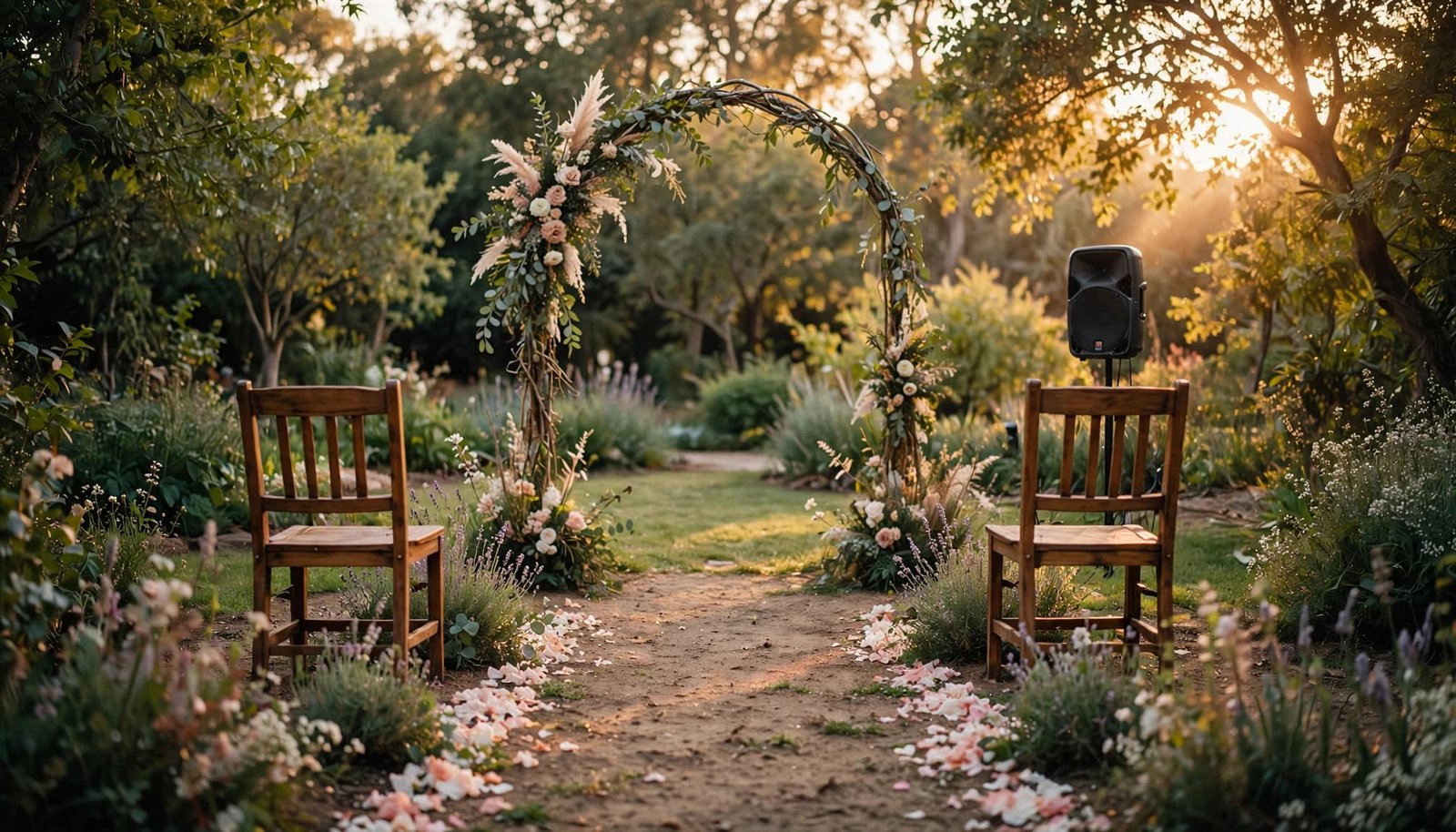
When a Simple Music Setup Can Work
A ceremony with fewer than 15 guests in a quiet indoor space may not need professional amplification. A basic Bluetooth speaker costs about $50 to $150, although it doesn’t provide live-microphone mixing or dependable control over timed transitions.
If you handle the music yourselves, assign one person to playback and another to announcements. Test the actual Bluetooth speaker beforehand; an unattended playlist can’t respond when the officiant is ready early.
When Professional Support Adds Value
Outdoor settings, softly spoken vows, multiple speakers, and a dance floor all make professional support more useful. A DJ manages volume, starts songs at agreed ceremony cues, and adapts when the schedule changes.
A compact setup can suit an intimate celebration without crowding the room. Professional sound should make conversation comfortable during dinner and provide clear coverage when it’s time for speeches or dancing.
What Does the DJ Handle Besides Music?
A professional DJ combines song selection, sound management, and event coordination. An emcee adds clear introductions and announcements so guests understand what’s happening without constant direction from the couple.
Hosting That Matches Your Celebration
Decide whether you want the emcee to take a reserved approach or interact more with guests. Share names, pronunciations, family relationships, and planned introductions with the MC before the event.
Our guide to DJ and MC responsibilities outlines how announcements, microphones, and vendor coordination work together.
A vow renewal doesn’t require every wedding tradition. Keep the moments that matter, such as a welcome toast, a meaningful dance, or a family acknowledgment.
A Clear Handoff With the Officiant
The officiant leads the ceremony; the DJ manages audio and cues. A coordinator or designated contact confirms everyone is ready before the entrance cue begins.
Share one ceremony timeline and cue sheet with the officiant and DJ. List the entrance order, readings, toasts, wireless microphone assignments, fades, and the cue for the recessional.
Coordinate special requests and last-minute preferences with the officiant. One designated person should approve any changes to prevent conflicting instructions during an emotional moment.
What Does a Vow Renewal DJ Cost?
A four-hour package for a vow renewal generally falls between $600 and $1,800. About $1,100 is a practical planning benchmark within that range, not a guaranteed local price.
For broader wedding context, WeddingWire’s DJ cost guide lists a U.S. average of $1,000, with most couples spending $780 to $1,495. Those figures describe weddings, not a separate national average for vow renewal events.
Common planning ranges depend on the service format.
| Service format | Typical coverage | Planning range |
|---|---|---|
| Ceremony-only sound | One to two hours | $400 to $750 |
| Four-hour package | Coverage varies by package | $600 to $1,800 |
| Ceremony plus reception | Four to five hours | $900 to $1,800 |
The overlapping ranges reflect different inclusions. Compare DJ packages by ceremony microphones, reception sound, MC services, planning time, and lighting, not hours alone.
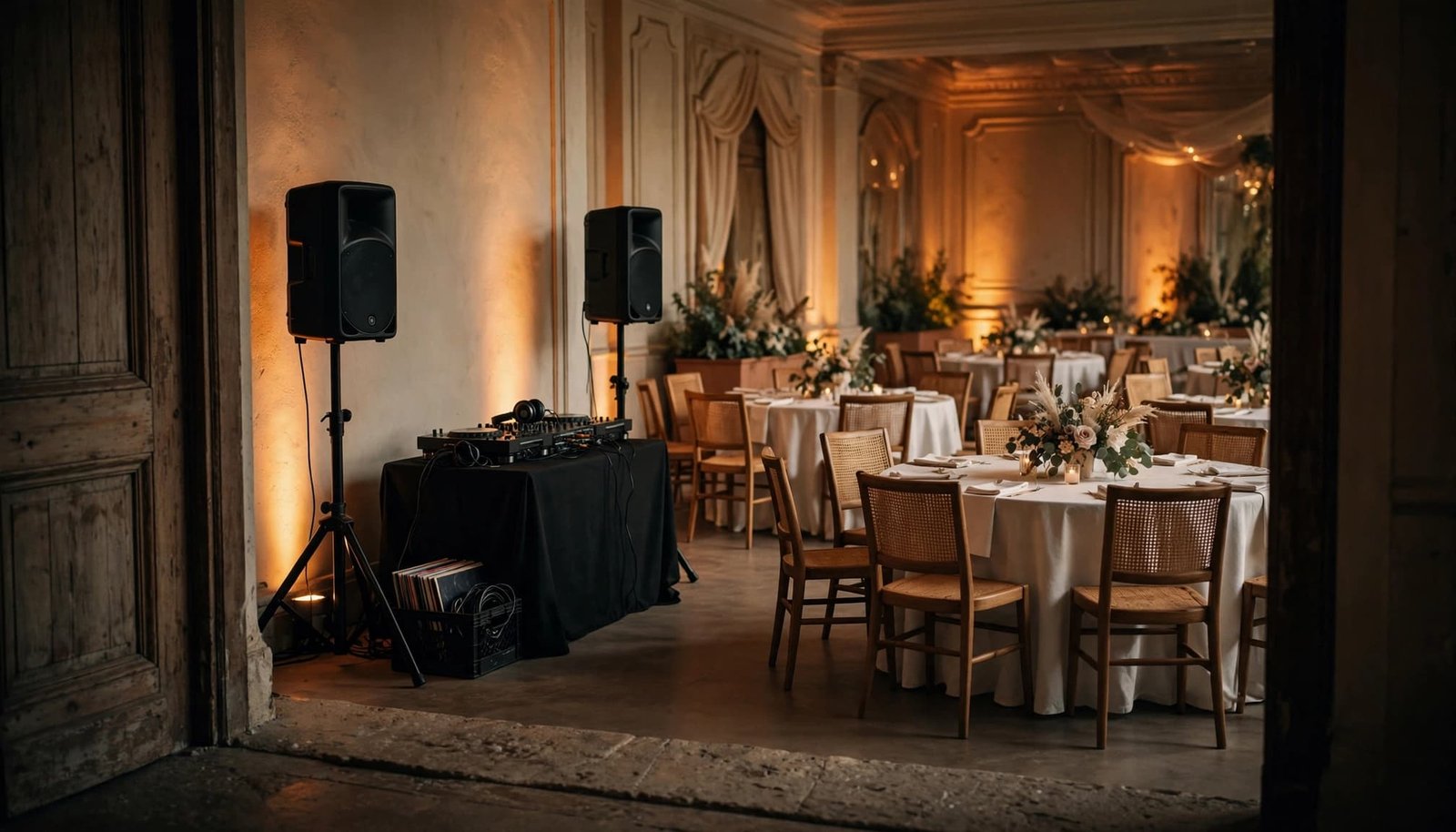
Some basic two-hour ceremony-only packages fall below $500. That lower price doesn’t necessarily include reception hosting, a second sound location, or lighting.
The DJ price is only one part of the celebration budget. Venue rental, food, photography, decorations, and the size of the gathering determine the overall cost.
Treat these figures as general planning ranges, not published prices for our services.
Which Extras Affect Your Entertainment Budget?
An organized quote separates essential sound and hosting from optional atmosphere enhancements. This makes it easier to prioritize clear vows and reliable coordination before adding decorative features.
Lighting, Travel, and Premium Dates
Lighting additions commonly cost $150 to $400. Options can include uplighting, string lights, or a monogram projection, depending on the provider.
Outdoor or remote venues more than 30 miles from the DJ’s base may add $100 to $300 in travel charges. Holiday and premium weekend dates can cost 10% to 20% more than standard weekday bookings, including Valentine’s week and popular late-summer dates.
These charges aren’t universal. An itemized agreement should show which ones apply.
Overtime and Separate Sound Locations
Overtime commonly costs $100 to $200 per additional hour beyond the contracted package. The contract should state the rate and identify who can authorize an extension.
Separated ceremony and reception spaces may require independent setups or scheduled equipment movement. Our guidance on DJ logistics for separate venues covers those timing concerns.
Don’t build the schedule around equipment moving instantly. Setup, testing, and guest access need their own time.
Plan Ceremony Music Around Meaningful Moments
Personalized music choices begin with the moments you want to share. Your original wedding song, a favorite artist, or a meaningful instrumental selection can guide the renewal ceremony without deciding every track.
Give Each Ceremony Moment a Clear Cue
Decide in advance whether the vow exchange will include a quiet instrumental or silence.
| Moment | Music approach | Timing direction |
|---|---|---|
| Processional | A meaningful entrance selection | Plan roughly 60 to 90 seconds around walking pace. |
| Vow exchange | Optional soft instrumental | Start below about 20% of normal volume; speech takes priority. |
| Recessional | An upbeat exit selection | Begin on the officiant’s agreed closing cue. |
The timing should follow your ceremony, not force it. Rehearse the walk and allow for pauses or slower entrances.
Silence during vows is also appropriate. Background music should never compete with the words guests came to hear. At the vow exchange, keep instrumental sound low enough for speech, and confirm the recessional cue with the officiant.
Personalize the Reception Without Overplanning It
Give the DJ a focused playlist with must-play and do-not-play selections, favorite genres, and any clean-edit preferences. Share exact recordings, since a live version can have a different introduction than the studio release.
For a multigenerational crowd, shared favorites and selections across decades help connect guests at the reception. Leave space for the DJ to respond to guests rather than preselecting every dance track.
We offer customized music planning alongside ceremony and reception entertainment, with hosting tailored to the occasion.
Give Ceremony Sound Its Own Plan
A ceremony with more than 30 guests, or any outdoor setting, almost always benefits from a wireless microphone system. Place one lavalier on the officiant and keep one handheld available for readings or toasts.
The couple’s vows need a separate pickup plan, especially when voices are soft. A speaking microphone won’t reliably capture both partners simply because they’re standing nearby.
Assign a second wireless microphone to readers or speakers handling toasts. Vocalists and acoustic musicians may need extra inputs beyond the standard speaking setup.
Our ceremony sound checklist organizes these needs around the people and moments involved.
Aim the sound system toward the seating area and away from live microphones. Test speech from the seating area, including the back row, while the officiant speaks. Louder sound alone won’t improve clarity.
Include approved power, protected equipment, secure cable routes, and an indoor weather alternative in the venue plan. Keep cables clear of aisles, exits, and accessible routes.
Keep music available offline and give the DJ final versions. A printed cue sheet helps if a phone loses service.
Booking and Contract Details That Protect Your Plans
Book six to nine months ahead for peak May through September dates. Confirm your booking once your date and venue are set.
Starting the booking process early gives popular anniversary dates room for organized music planning and venue coordination.
Define the Complete Service in Writing
The agreement should identify the performer, coverage hours, locations, payment schedule, cancellation terms, and replacement arrangements. Review the terms before booking is final.
Essential inclusions deserve clear wording:
- Include a written timeline, ceremony audio cues, microphone assignments, and the person authorized to approve changes.
- List lighting, travel, overtime, separate setups, and other charges individually.
- Specify backup equipment, including wireless microphones, a backup speaker, spare batteries and cables, and offline music playback.
A delayed ceremony doesn’t require every reception activity to move by the same amount. Flexible dinner music or transitions can absorb some delay while preserving the meaningful moments.
Include Insurance and Venue Requirements
Many venues require at least $1 million in general liability insurance. This is a venue requirement, not a blanket rule for every New Hampshire celebration.
A professional DJ should provide a certificate of insurance on request. Include any required additional-insured documentation and delivery deadlines in your booking plans.
Clear responsibilities for load-in, power, sound limits, and breakdown reduce confusion before guests arrive.
Frequently Asked Questions
Is a Ceremony-Only DJ Package Worthwhile?
It can be, especially when clear vows and precise audio cues are priorities. Typical one- to two-hour packages cost $400 to $750.
The value is dependable sound and an operator who follows the event’s pace. A quiet indoor gathering with fewer than 15 guests may work with a Bluetooth speaker.
How Much Music Input Should We Provide?
Choose meaningful music selections, then share your preferred genres and exclusions. The DJ can build around those priorities.
A focused list leaves room for guest requests, changes in energy, and a comfortable transition between dinner and dancing.
A Personal Celebration Starts With Clear Preparation
A thoughtful vow renewal DJ plan gives meaningful music, clear voices, and well-paced hosting the attention they deserve. It should fit your setting and priorities without adding traditions you don’t want.
Build around the moments that matter, with a written cue plan and dependable sound. Your guests should hear your story, enjoy the celebration, and feel included throughout the day.