A memorable hora starts before the first guest joins the circle. Thoughtful planning for these traditions connects meaningful songs, clear announcements, and well-timed transitions so your celebration feels personal and organized.
The strongest plan pairs each tradition with an agreed cue, rather than leaving your DJ or band to interpret the moment. Start with the ceremony sequence, then build a reception that welcomes your families and keeps the dance floor moving.
Jewish Wedding Music Timeline: Songs for Each Moment
A stage-by-stage shortlist of Jewish wedding songs gives your entertainment team clear direction while leaving room for your family’s customs. These selections are starting points, not a required order.
Use this sequence to organize your shortlist.
| Wedding Moment | Suggested Song | Meaning and Musical Purpose |
|---|---|---|
| Guest seating | Yerushalayim Shel Zahav | “Jerusalem of Gold,” an Israeli song suited to prelude or reception background music. |
| Wedding party processional | Dodi Li | “My Beloved Is Mine,” a romantic selection drawn from Song of Songs. |
| Bride’s entrance | Erev Shel Shoshanim | “Evening of Roses,” a gentle, familiar processional choice. |
| After breaking the glass | Od Yishama | “It Will Yet Be Heard,” a celebratory song associated with Jeremiah 33:11 and the voices of the bride and groom. |
| Recessional | Siman Tov u’Mazal Tov | Roughly “a good sign and good luck,” a joyful departure song. |
| Reception welcome | Hevenu Shalom Aleichem | “We Brought You Peace,” an upbeat welcome that can lead into dancing. |
| Hora opening | Hava Nagila | “Let Us Rejoice,” the familiar high-energy circle-dance staple. |
| Continued celebration | Mazal Tov (Khassen Kaleh) | A traditional Yiddish klezmer tune wishing good luck to the groom and bride. |
The transition after the glass may use one celebratory song rather than two separate selections. Your cue sheet should show the chosen sequence, including any spoken words before the couple exits.
Our wedding reception timeline examples help place these traditions alongside introductions, dinner, toasts, and open dancing.
Choose Processional Songs for Their Meaning and Arrangement
Ceremony music needs a different approach than reception music. A familiar melody can feel romantic, reflective, or energetic depending on the recording and performers.
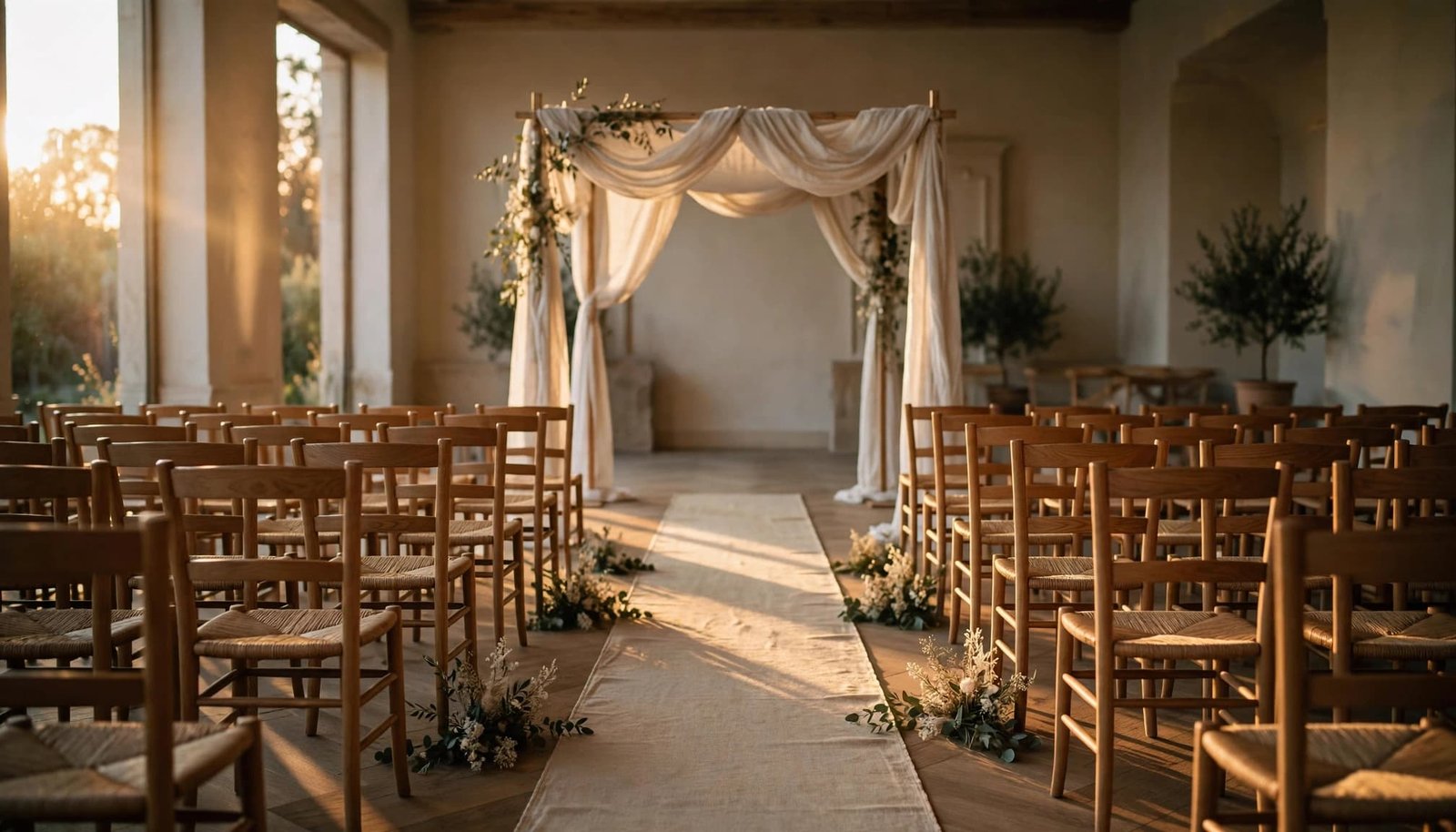
Erev Shel Shoshanim for the Bride’s Entrance
“Erev Shel Shoshanim” translates to “Evening of Roses.” Often described as a Jewish counterpart to “Here Comes the Bride,” it creates a romantic atmosphere without requiring a dramatic arrangement.
A traditional processional uses one song for the bridal party, then changes music for the bride’s entrance. Family entrances and contemporary ceremony formats can follow a different sequence.
Give the DJ the exact recording, starting point, and entrance cue. The aisle length and walking pace determine how much music the moment needs.
Dodi Li for the Processional or Chuppah
The title means “My Beloved Is Mine” and draws on Song of Songs chapter 2. The related phrase “Ani l’dodi v’dodi li” appears in 6:3.
Reform Judaism’s wedding music guide includes the song among processional choices. It also fits a planned musical moment at the chuppah, where the words can receive greater attention.
Avoid Wagner’s “Bridal Chorus” from Lohengrin because of his antisemitic views. This composition, commonly called “Here Comes the Bride,” is different from Mendelssohn’s “Wedding March.”
Give the Glass-Breaking and Recessional Clear Cues
Breaking the glass brings celebration together with remembrance of the Temple’s destruction. Music should follow the agreed ceremony order, with time for any remaining blessing or announcement.
Od Yishama After the Glass
“Od Yishama” means “It Will Be Heard” or “It Will Yet Be Heard.” Its wedding text draws on Jeremiah’s words about bride and groom, including the sounds of joy and gladness in Jeremiah 33:11.
The song is a celebratory choice after the glass breaks. The officiant or designated coordinator should give the cue, rather than having the DJ respond automatically to applause.
If guests will sing, decide whether the recording supports their participation or whether a vocalist will lead. Those are different musical arrangements.
Siman Tov u’Mazal Tov for the Recessional
This favorite Jewish recessional means roughly “a good sign and good luck.” “Siman” means “sign,” and “tov” means “good”; the song celebrates the marriage as a good sign.
Choose a version with an immediate, recognizable opening for the couple’s departure. A long introduction can leave guests waiting during an otherwise joyful transition.
A shared ceremony music timeline keeps the final announcement, music start, and exit order together.
Coordinate the Hora Around Guests, Space, and Timing
The hora is a shared celebration, and clear coordination helps guests unfamiliar with the tradition participate. Schedule it when the couple, immediate family, and photographer can join without competing reception duties.
Build a Connected Set
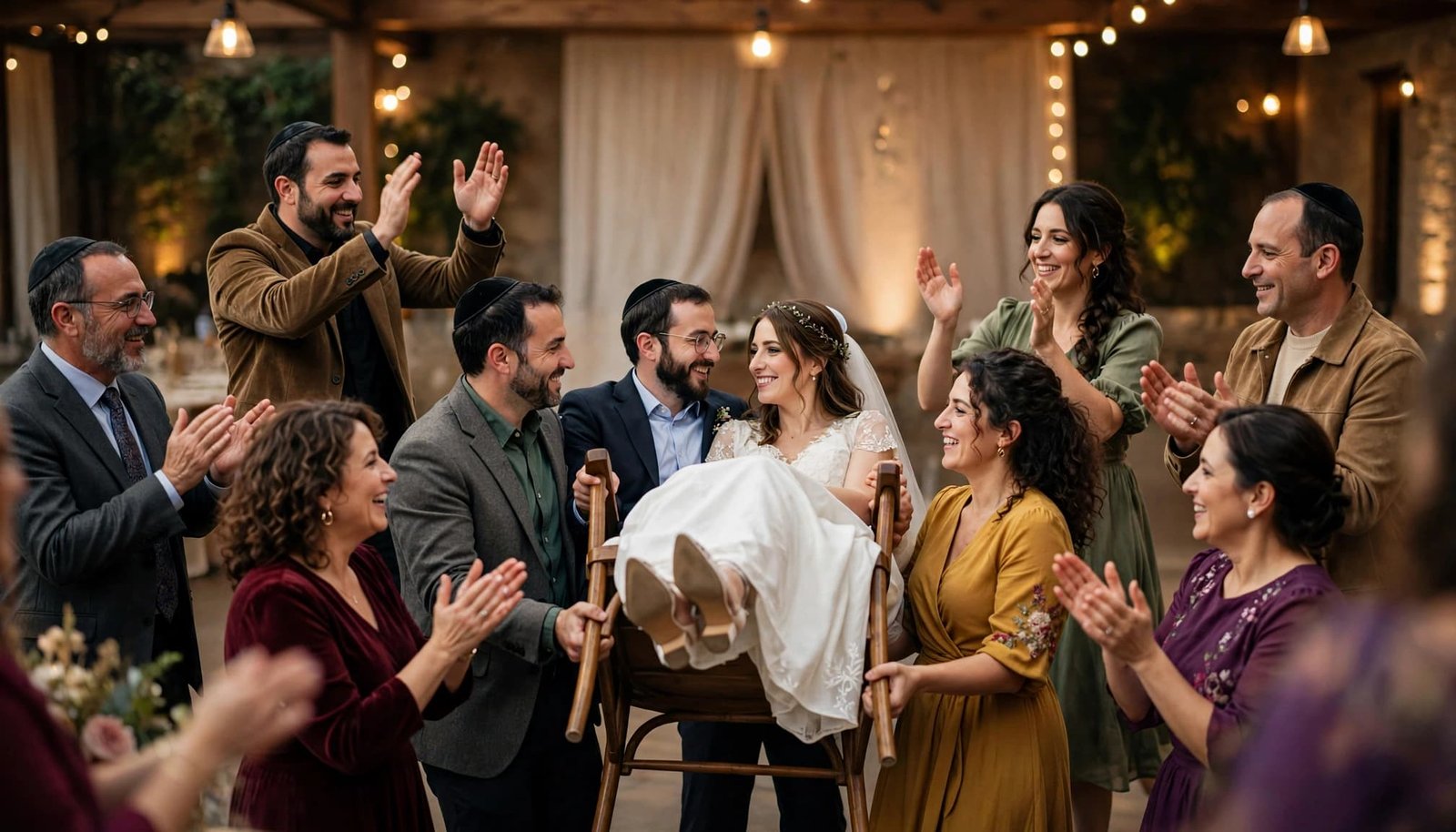
“Hava Nagila” is the traditional high-energy choice for starting the circle dance and chair-lifting celebration. Follow it with compatible selections such as “Hevenu Shalom Aleichem,” “Siman Tov u’Mazal Tov,” or a family favorite.
The bandleader or DJ should plan the musical handoffs for the hora before the reception. Similar energy and clean transitions help guests stay involved between songs.
An opening hora after introductions can gather guests early. A later hora can launch open dancing after dinner; either placement needs enough uninterrupted time.
Make Participation Clear and Chair Lifting Optional
A short MC invitation should explain that guests can join the hora circle, follow the dancers, and celebrate at their own comfort level. Experienced family members can help establish the movement without a lengthy announcement.
Chair lifting is optional, and it requires separate planning. Decide whether either partner wants it, identify willing helpers, and coordinate with venue staff about available space and restrictions.
Keep bags, drinks, and loose items away from the dance area. Anyone uncomfortable with lifting can stay on the floor; nobody needs to participate beyond their ability.
Plan the music to continue through the return to the floor, so the celebration doesn’t end abruptly when chair lifting finishes.
Balance Dinner Music, Family Traditions, and Modern Songs
Jewish wedding music can include romantic Hebrew selections, klezmer, Israeli pop, family favorites, and secular dance tracks. Choose each song for a clear moment in the evening.
“Yerushalayim Shel Zahav” works well during quieter portions of the celebration. Keep “Yedid Nefesh” and “Ozi V’Zimrat Yah” on a ceremony or prelude shortlist rather than automatically adding them to a dance set.
Give the Mezinka Its Own Moment
The Mezinka honors parents when their last unmarried child marries. It’s usually a reception celebration with the parents and surrounding dancers, not a required dance before the marriage.
Give it a separate announcement and musical selection. A traditional Mezinka or Mezinke recording in Yiddish can distinguish the moment from the hora and make its purpose clear.
Family repertoire matters here. Sephardic and Ladino selections, including “Los Bilbilicos,” can receive meaningful space when they belong to your family’s musical traditions.
Separate Party Tracks From Reflective Selections
“Tel Aviv” by Omer Adam and “Rak Rak” by Static and Ben El are modern Israeli choices for an energetic dance shortlist. “Im Eshkachech” by Eyal Golan has a more reflective character and fits a different musical moment.
JDate’s guide to Jewish wedding songs offers more traditional selections and their meanings. Choose the actual arrangement, not just the title. Tempo and lyrics determine whether a recording fits dinner, the ceremony, or dancing.
If children will attend, include clean-version preferences in the music brief.
Choose a DJ or Band With the Right Coordination Approach
Both live musicians and a professional DJ can support a meaningful Jewish reception. The decision depends on how much you value live performance, original recordings, repertoire flexibility, and event hosting.
When Live Music Fits Your Vision
A band brings visible performance energy and can extend a refrain as guests continue dancing. That flexibility is useful when family members sing along or a hora needs more time.
The practical plan should include prepared Jewish repertoire, pronunciation, musical arrangements, and coverage during breaks. A strong dance set still needs a clear leader for announcements and transitions.
Live ceremony musicians paired with a reception DJ offer another option. Give both teams the same cue sheet so the handoff feels organized.
When a DJ Fits Your Priorities
A DJ provides access to specific recordings, broad musical variety, and flexible transitions between cultural songs and general reception favorites. That range helps a mixed-age crowd enjoy the evening together.
Our personalized wedding playlist planning starts with your preferences, meaningful selections, and do-not-play choices.
The final brief should also include name pronunciations, exact versions, start and fade points, and the person authorized to signal each event. Sound planning should account for separate ceremony and reception spaces, clear microphones, and comfortable dinner volume.
These details give the music direction without locking the entire reception into a fixed playlist.
Key Takeaways
- Pair each musical moment with a named person who gives the start cue.
- Keep ceremony selections, hora music, and general party requests in separate groups.
- Treat chair lifting as an optional activity with its own coordination.
- Share exact recordings and do-not-play preferences while leaving room for the entertainment team to respond to guests.
Frequently Asked Questions
What Is the Jewish Song Played at Weddings?
“Hava Nagila” is the familiar song associated with the hora. A good-luck song is another popular choice for the recessional. Each suits a different moment, so a playlist often includes both.
How Many Songs Should We Choose?
A useful starting plan includes 4 to 6 ceremony selections and 20 to 30 priority songs for dinner and the party. These aren’t limits on total playback. Longer receptions need additional music, and your DJ or band needs flexibility around timing.
Can We Combine Jewish and Secular Wedding Music?
Yes. Give cultural selections a clear place, then include shared favorites for introductions, special dances, and open dancing. For an interfaith ceremony, translations help both partners understand the words and choose songs that suit their service.
Bring Meaning and Coordination Together
Thoughtful Jewish wedding music planning gives each tradition the time, sound, and attention it deserves. The strongest playlist works alongside clear coordination, particularly at the glass-breaking, recessional, and hora.
Build your plan around the moments that matter to your families. With agreed cues and personalized selections, guests can focus on celebrating while your entertainment team manages the flow.