Plan a wedding reception gap with conversation-friendly music, timely refreshments, and clear cues for each change of location. Music creates a welcoming atmosphere, but guest comfort also depends on food, seating, transportation, and knowing what comes next.
A longer gap between ceremony and reception can work when early ceremonies, photography, or venue schedules make it necessary. Treat the time gap as one part of a wider plan for food, travel, and music. Give guests clear cues about where to go and what comes next.
Key Takeaways
- A 60-minute gap suits a cocktail hour with music and hors d’oeuvres; longer breaks need additional hospitality.
- For two hours or more, provide a Welcome Room, substantial refreshments, or a clearly communicated break.
- Give your DJ a shared timeline, location details, and 15 to 30 minutes of additional music for delays.
How Long Should a Wedding Reception Gap Be?
There isn’t a universal cutoff that makes a gap a wedding faux pas. The practical question is how much unsupported waiting guests will experience.
According to Zola’s ceremony-to-reception timing guidance, cocktail hour usually lasts 60 minutes, with 90 minutes as the upper limit. Zola also recommends that guests be able to move between venues within about one to one and a half hours.
That travel allowance isn’t a target driving time. Guests’ travel time includes departure, traffic, parking, and walking into the reception venue.
WeddingWire forum commenters commonly consider gaps of two hours or less acceptable and four hours or more too long. Those opinions aren’t etiquette rules; regional customs and the support provided affect how guests experience the break.
Common reasons include ceremony venue constraints, venue availability, early ceremonies, cultural or religious customs, photography, and transportation. Guests expect some time for wedding photos, and forum commenters generally accept some waiting for them.
Separate necessary travel, hosted refreshments, and unhosted waiting when reviewing the schedule. A two-hour window feels different when guests have somewhere comfortable to go.
A 60- to 90-Minute Gap: Keep the Music Flowing
Set a Comfortable Cocktail-Hour Mood
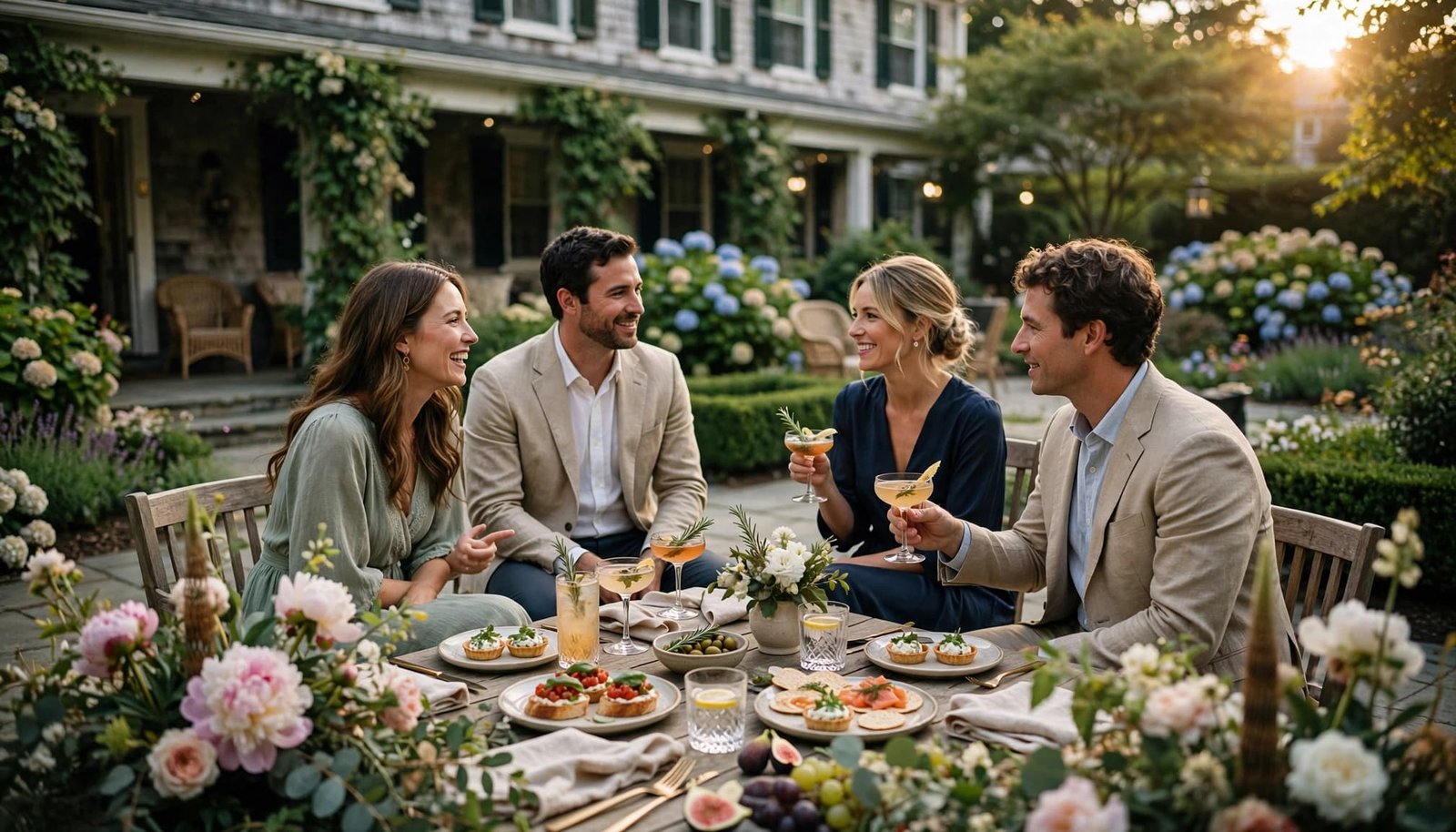
An hour between the ceremony and seated reception works well for a drinks reception with hors d’oeuvres and relaxed conversation. Jazz, acoustic pop, classic soul, and lighter Motown selections add personality without demanding attention.
Use a conversation test: guests should be able to speak normally across a table. Check seating areas and places near speakers, not only the center of the room.
Our cocktail hour wedding music ideas can help shape the atmosphere. Simple cocktail-hour activities, including optional lawn games, can keep guests entertained while conversation remains the main focus and guests mingle.
Use a Simple 75-Minute Timeline
For a ceremony ending at 2:00 p.m., begin refreshments and background music at 2:10 p.m. Allow photographs and time for guests to mingle until 3:00 p.m., then invite them toward their seats.
A 3:10 p.m. entrance followed by a 3:15 p.m. meal keeps the afternoon moving without rushing conversation.
Give the recessional a clear ending, then transition from the ceremony’s final music to welcoming background selections. Give the reception entrance its own distinct cue so it doesn’t arrive unexpectedly during another song.
For a 90-minute window, extend refreshments and mingling rather than adding unnecessary announcements.
A Two- to Three-Hour Gap: Offer a Welcome Room
Provide Food Before Hunger Sets In
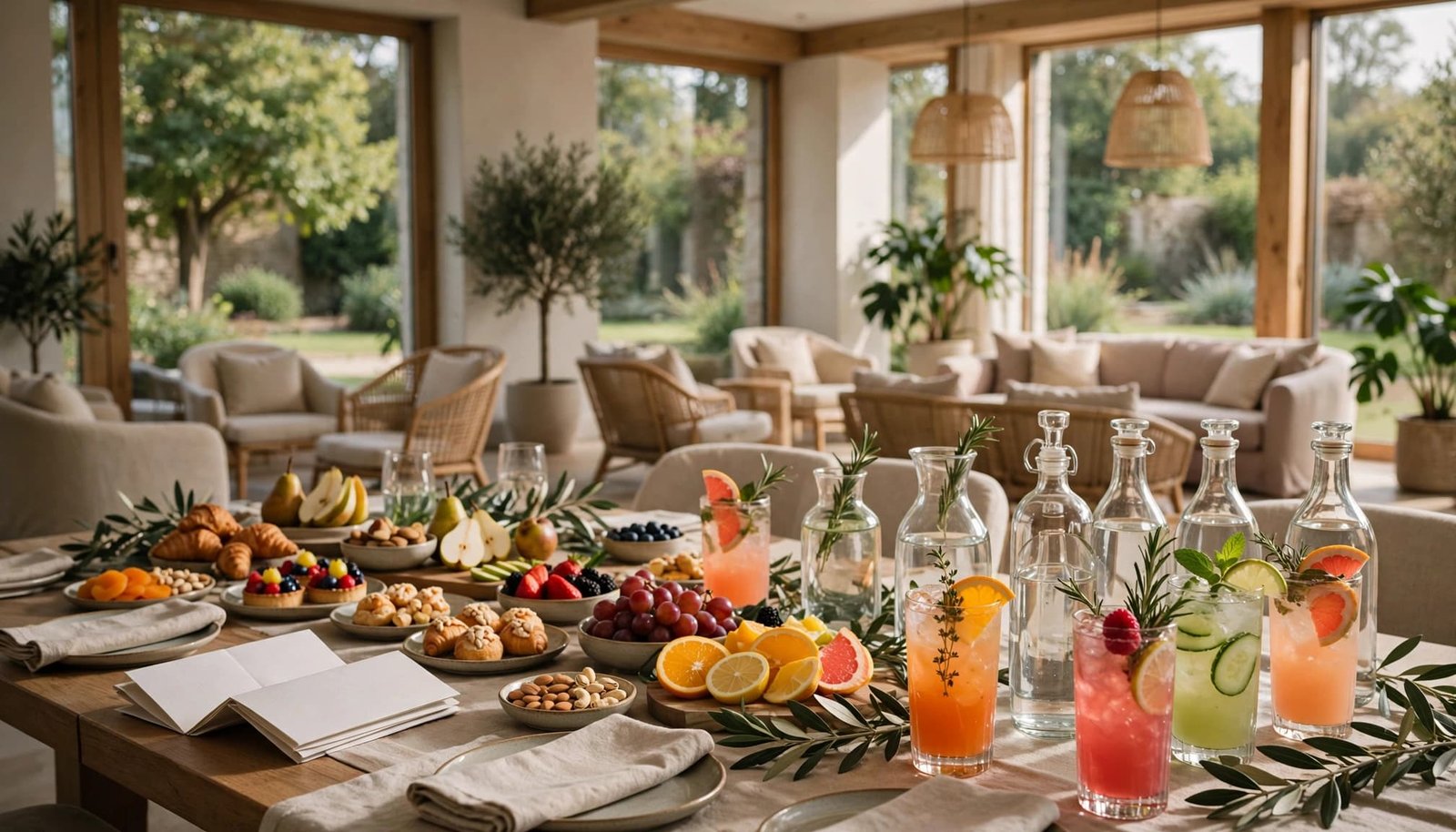
Two hours or more calls for something more substantial than an extended playlist. A hosted room gives guests seating, restrooms, refreshments, and a comfortable place to wait if they can’t return home.
Guests who have missed lunch need food with their drinks. Sandwiches, substantial canapés, fruit, and other light lunch options are more useful than a few bowls of nibbles.
Serve water, coffee, and mocktails. An alcohol-free space is especially appropriate when guests will drive to the reception later. Keep the music relaxed and save the stronger energy for the reception.
Give the Break a Clear Schedule
For a 12:30 p.m. ceremony ending at 1:00 p.m., open the room at 1:10 p.m. Begin travel at 2:30 p.m., welcome guests at the reception at 3:00 p.m., and serve the meal at 3:30 p.m.
Ask the venue to move the sit-down meal to around 3:00 or 3:30 p.m. when an early ceremony would otherwise leave guests waiting through lunch.
In UK wedding terminology, the “wedding breakfast” is the first meal after the ceremony, regardless of the hour. The name is traditionally associated with couples breaking their pre-wedding fast.
Four Hours or More: Plan a Genuine Break
A four-hour wedding reception gap needs a clear break in the day, not four continuous hours of background music. Guests should know whether they’re attending hosted activities or have time to make independent plans.
For a ceremony finishing at 1:00 p.m. and a reception opening at 5:00 p.m., provide refreshments until 2:00 p.m., followed by an announced break. Resume the music when reception doors open at 5:00 p.m.
Create a map of nearby cafes, shops, local attractions, and walking options. Share it on the wedding website and in welcome bags, with travel times and indoor choices for poor weather.
Out-of-town guests also need somewhere to sit without depending on access to hotel rooms. A reserved hotel lounge or garden can support an optional pre-reception gathering.
Explain when the wedding meal will be served. This helps guests plan a light snack rather than a full meal at a local bar, while organized gathering options reduce the temptation to spend the afternoon drinking.
Build a Music Plan That Can Adjust
Prepare Extra Music and Protect Special Songs
Prepare music for the entire hosted period, plus 15 to 30 extra minutes. Portraits, transportation, and food service can run late, so extra selections help your DJ maintain a comfortable atmosphere.
Plan cues for the ceremony and recessional, the transition afterward, hosted activities or transportation during the gap, cocktail-hour ambience, and reception arrival. Share the timing with your DJ and any live musicians so they can coordinate playlists and performances.
Share preferred genres, meaningful artists, a short must-play list, and clear do-not-play requests. Your DJ can shape the background set without needing a fixed song order for every minute.
Norah Jones’ “Come Away With Me” and Jack Johnson’s “Better Together” suit a relaxed musical direction. Save the first dance recording, entrance song, and biggest sing-alongs for their planned reception moments.
Plan Sound for Each Location
Music coverage depends on where guests will be. Even at the same venue, the ceremony and reception may need separate sound arrangements or a planned equipment transition.
An additional setup can prevent silence while equipment moves, but it needs to be part of the service plan. Confirm venue restrictions, power access, weather backup space, microphone needs, and who starts each music segment.
When vendors travel between venues, allow time for loading, driving, unloading, and sound preparation. Music supports guest comfort, but it doesn’t replace plans for food, seating, travel, and communication. Our wedding sound planning checklist connects music cues with guest movement and announcements.
Coordinate Vendors and Tell Guests What to Expect
A reliable plan gives the DJ, coordinator, photographer, caterer, and transportation provider the same schedule. Include ceremony dismissal, refreshments, departures, reception opening, meal service, and the person authorized to approve changes.
For introductions, use a readiness cue as well as a clock time. The wedding party should be lined up, the photographer positioned, and the coordinator ready before the DJ starts the entrance track.
Our reception timeline with DJ cues helps connect announcements, dinner, and formal moments.
Give guests these details before the wedding:
- Print the reception start time on the invitation or reception card so guests don’t arrive before doors open.
- Use the wedding website to explain the gap, food arrangements, transportation, and optional gathering location.
- Put addresses, parking instructions, local activity maps, and the return time in welcome bags for traveling guests.
Also define entertainment coverage in writing. Early setup, hosted music, travel, standby time, and reception performance are separate scheduling needs. Clear responsibilities reduce confusion about who provides music while your main DJ is preparing another space.
For our wedding DJ and MC planning, these transitions belong in the conversation alongside playlists and formal dances.
Frequently Asked Questions
Do We Need a DJ for the Entire Gap?
A DJ doesn’t need to perform during an announced break when guests leave for independent activities. Hosted spaces still need a clear music plan.
For a Welcome Room, set up a separate background music system and assign someone to operate it while the DJ prepares the reception. Live musicians also need scheduled breaks and coverage between sets. Make sure each vendor knows who plays next.
Should We Serve Alcohol Before Guests Drive?
An alcohol-free Welcome Room is the simplest option when guests will drive between locations. Food and a long break don’t make driving after drinking safe.
The National Highway Traffic Safety Administration’s guidance is direct: if you’re drinking, don’t drive. If alcohol is served before a transfer, provide transportation or ask guests to use a designated driver who isn’t drinking. Mocktails let everyone enjoy a welcoming drink without adding that concern.
A Comfortable Gap Starts With Clear Coordination
A well-planned wedding reception gap gives guests comfort and direction while music maintains a welcoming atmosphere. The strongest plan matches hospitality to the waiting time and protects the reception’s special musical moments.
Build one shared schedule around guest comfort, then connect each location, announcement, and music cue to it. That preparation keeps a necessary break organized and allows the celebration to resume with confidence.