A ceremony can be beautiful without much music, but the right song at the right cue makes every entrance, promise, and celebration feel complete. Selecting the perfect wedding ceremony music helps define the pace of your day, welcomes your guests, settles nerves, and creates the standout moments your photographer will capture.
The hard part is not finding songs you love. Instead, the challenge lies in choosing ceremony songs that fit your specific format and ensuring each transition happens on time.
Use this checklist to build a soundtrack that feels personal, polished, and easy to manage with the help of our comprehensive wedding music guide.
Key Takeaways
- Plan music for guest arrival, family seating, your wedding party processional, specific ceremony moments, the final recessional, and the guest exit.
- Choose processional songs and recessional songs based on the length of each moment, rather than just focusing on the title or artist.
- Give your DJ, band, or musicians a written cue sheet with names, order, and exact start points.
- Religious, cultural, secular, and nontraditional ceremonies all need clear transitions and respectful music choices.
- Keep one trusted person in charge of last-minute decisions so you can stay present.
Start With a Complete Ceremony Music Timeline
Most couples think first about the processional and recessional. Those songs matter, but they are only part of the experience. Guests begin forming an opinion of the celebration as soon as they arrive.
A full wedding ceremony music checklist helps your DJ or musicians create a smooth flow. It also prevents awkward silence when someone needs an extra minute to find their seat.
Here are the main music moments to plan:
| Ceremony Moment | What the Music Does | Typical Length |
|---|---|---|
| wedding prelude music | Welcomes arriving guests | 20 to 30 minutes |
| Seating of family | Signals that the ceremony is about to begin | 1 to 3 minutes |
| wedding party processional | Supports each entrance | 2 to 5 minutes |
| Couple’s entrance | Creates the main arrival moment | 1 to 2 minutes |
| Ceremony interlude | Covers a reading, unity ritual, or transition | 1 to 4 minutes |
| Recessional | Celebrates the newly married couple | 1 to 2 minutes |
| Postlude | Carries guests into cocktail hour | 10 to 20 minutes |
The timeline does not need every category. A short courthouse ceremony may only need prelude, entrance, signing music, and recessional. A church, synagogue, temple, outdoor celebration, or cultural ceremony may include more formal entrances and meaningful rituals.
The takeaway is simple: every transition needs a plan.
Music should begin before a guest wonders what happens next.
For the prelude, choose welcoming instrumental wedding music that matches the tone of the day. Acoustic covers, piano arrangements, a professional string quartet, jazz standards, light folk, classical pieces, and instrumental versions of favorite songs all work well. Keep the volume comfortable. Guests should be able to greet each other without shouting.
Family seating music is optional, but it adds structure. Some couples use one song for grandparents and parents. Others use a special piece for parents, then shift to a separate processional song.
Next comes the entrance order. Confirm who walks, in what order, with whom, and whether anyone enters alone. Those details affect song length more than couples expect.
Choose Processional Music That Fits the Walk
The processional is where timing matters most. A song can be meaningful and still be the wrong choice if its opening is too quiet, its beat is too fast, or the key moment arrives after everyone is already in place.
Start by deciding whether everyone enters to one song or whether the wedding party and couple get separate music. Either choice can be beautiful.
One of your processional songs creates a unified, classic feel. It works especially well for smaller ceremonies or a short aisle. Choosing two processional songs creates a clear build. The first supports the wedding party, and the second gives the couple’s entrance its own spotlight.
For a traditional ceremony, couples often choose classical wedding ceremony music such as Pachelbel’s Canon in D or Clarke’s Trumpet Voluntary. You might also consider the traditional wedding music of Wagner’s Bridal Chorus or a classic bridal march, where appropriate for your venue or faith tradition. A church or religious officiant may have guidelines about what can be played during worship. Ask early, not during the final week.
For secular or modern ceremonies, consider modern wedding songs played as instrumental versions. A string arrangement of a pop classic, a piano version of a ballad, or an acoustic arrangement of a contemporary hit can feel personal without overpowering the moment.
Cultural traditions may include music with a stronger rhythm, live drumming, a family song, or a specific entrance custom. Share the order of events with your entertainment team. The music should support the tradition, never compete with it.
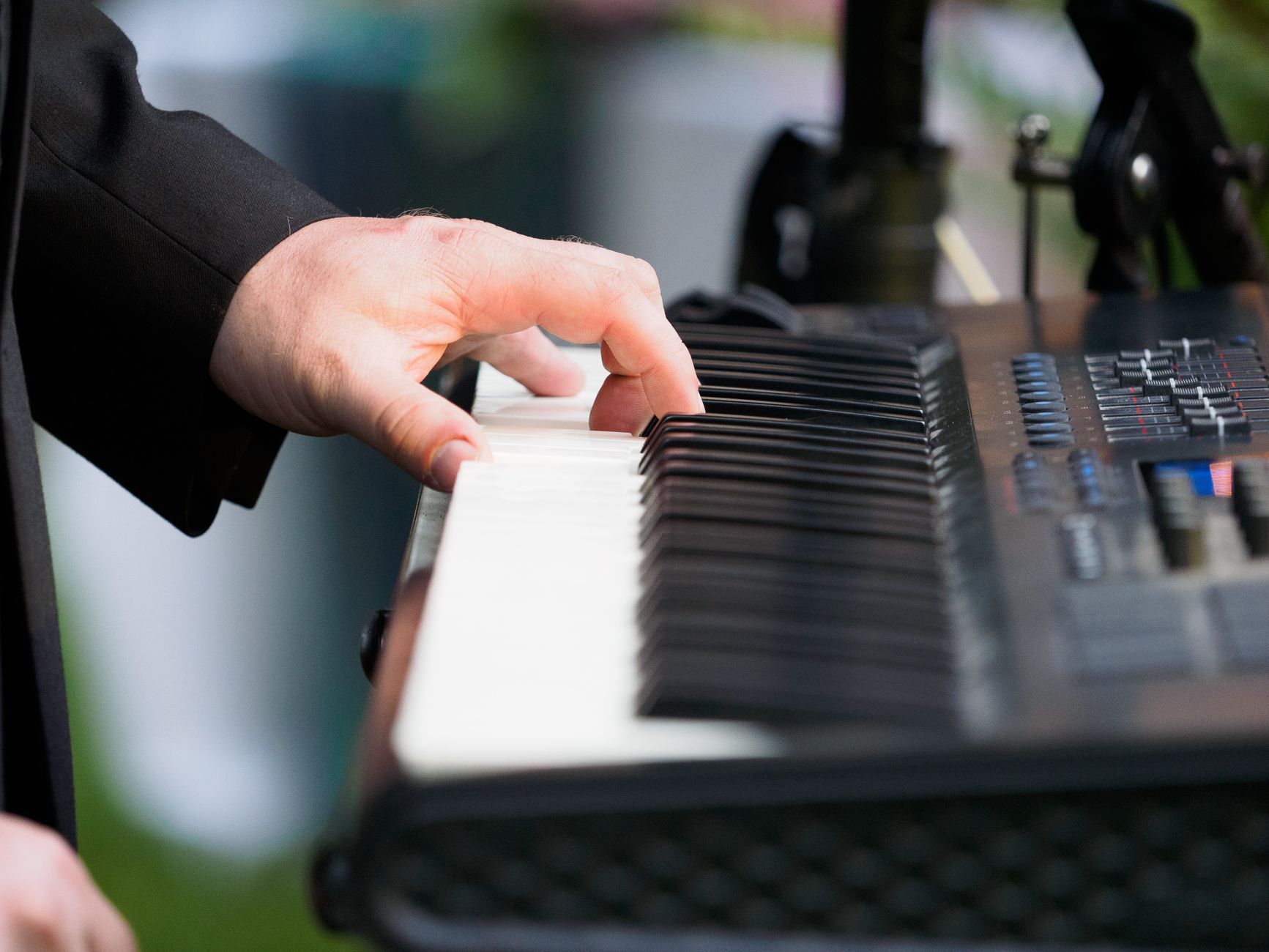
Photo by IslandHopper X
Avoid choosing by title alone. Listen to the first 20 seconds. That is often the exact section your guests will hear. If the intro is too slow, your DJ can start later in the song or use a prepared edit.
Your pace while walking down the aisle also matters. Tell your wedding party to walk at a calm, steady pace. A fast walk can turn a two-minute song into a 45-second entrance. Your DJ or live musicians can keep playing, but a rushed entrance changes the feeling of walking down the aisle.
Plan Music for Readings, Rituals, and Meaningful Pauses
Not every ceremony needs music after the processional. Still, a short musical interlude can make a meaningful moment feel intentional.
Use it during a unity candle, sand ceremony, handfasting, ketubah signing, signing of the register, communion, tea ceremony, ring warming, flower presentation, or license signing. It can also fill the pause between readings when your officiant needs to reset.
Keep these selections simple. Instrumental wedding music is often the safest option because it gives the officiant and guests room to focus. If you choose a song with vocals, keep it low and choose a version that does not pull attention away from the ritual.
A solo musician can be a great fit for a formal ceremony. A violinist, guitarist, harpist, pianist, or keyboard player brings a personal touch that live wedding music provides. A professional DJ is often the better fit when you want edited songs, reliable microphones, clear sound outdoors, and music that moves directly into cocktail hour.
There is no wrong format. The right choice fits your venue, guest count, budget, and priorities.
For religious ceremonies, confirm the music rules with the officiant or venue coordinator. Some spaces allow only sacred music. Others permit secular selections before or after the formal service. A quick conversation avoids a frustrating change after you have already built your playlist.
Nontraditional ceremonies deserve the same attention. If you are walking in together, having a friend officiate, holding a ceremony in a backyard, or including your children, music can help shape each transition. A short song for a child joining the couple or a family entrance can become one of the most emotional moments of the day.
Make the Recessional Feel Like a Celebration
You are married. This is the moment to release the energy.
Your choice of recessional songs should feel brighter and more confident than your processional music. These tracks do not need to be fast party anthems, but they should make your guests smile as they watch you walk back up the aisle. Selecting the right recessional songs also helps set a celebratory tone that carries over into your grand entrance songs later in the evening when you make your debut at the reception.
Popular choices include “Signed, Sealed, Delivered (I’m Yours),” “This Will Be (An Everlasting Love),” and “You Make My Dreams.” If you prefer modern wedding songs, tracks like “Marry You” or “Love Never Felt So Good” are excellent upbeat options. An instrumental piece also works well, especially if your venue has specific guidelines regarding religious music.
Ask your DJ to play your chosen track throughout the entire wedding party exit. Let the music continue as guests are dismissed or directed toward the cocktail hour, as stopping the audio the second you reach the end of the aisle can make the room feel flat.
Postlude music is also useful for practical reasons. Guests may need several minutes to exit, find restrooms, or move to another space. Keep the sound upbeat and welcoming without jumping straight into high-volume dance music.
If you are taking a few minutes alone after the ceremony, choose postlude music that keeps guests entertained without making them feel like they are waiting. This is a perfect opportunity for lively soul, acoustic pop, jazz, or any of your favorite feel-good songs.
Give Your DJ a Clear Ceremony Cue Sheet
Great wedding ceremony music depends on clear communication. Your wedding dj should not have to guess who is entering next or whether the officiant wants music played under a reading.
Create a one-page cue sheet and send it before the final planning meeting. Include the full names of everyone entering, their order, each song title and artist, and where the music should begin.
Your sheet should also answer these practical questions:
- Who gives the signal to begin the processional?
- Will the officiant use a wireless microphone?
- Are there readers, singers, or musicians who need microphones?
- Is the ceremony indoors, outdoors, or moving between locations?
- What happens if the ceremony starts late because of weather or transportation?
- Who has authority to make changes on the wedding day?
Name one person who can answer questions. This may be your planner, coordinator, maid of honor, best man, or a family member who knows the plan. It should not be you.
At the rehearsal, practice the entrance order and walking pace. Whether you are working with a wedding dj or hiring wedding musicians, your vendors need to check speaker placement, microphone levels, power access, and backup equipment. Outdoor weddings need extra attention. Wind, traffic, water, and large open spaces can swallow sound quickly, making it vital to plan carefully for live wedding music to ensure high quality audio.
Ask for a sound check before guests arrive. Spoken vows must be clear. The music should feel full without drowning out the officiant. Professional equipment, wireless microphones, and an experienced wedding dj make a major difference in how your ceremony sounds.
Frequently Asked Questions
Do I need to hire a live musician if I have a wedding DJ?
You do not need both, as a professional DJ is fully capable of managing all your ceremony audio requirements, including wireless microphones for vows and high-quality playback for your processional tracks. Many couples opt for live musicians solely for the aesthetic appeal and personal touch they provide during the prelude or ceremony interludes. If you choose a DJ, ensure they have experience with ceremony sound to guarantee seamless transitions and clear audio for your guests.
Can I choose songs with lyrics for my ceremony?
Absolutely, as modern ceremonies frequently incorporate songs with meaningful lyrics to reflect the couple’s personality and journey. If you choose vocal tracks for a reading or ritual, keep the volume balanced so it does not overpower the officiant or distract from the significance of the moment. Instrumental versions are often preferred for formal processionals, but the final decision should always align with your desired tone and the venue’s specific policies.
How do I ensure my music doesn’t end abruptly?
To avoid awkward silences or sudden cut-offs, provide your DJ or musicians with specific instructions on how to transition between tracks or loop a song until everyone is in position. It is helpful to select songs that have a natural fade or allow your musician to hold a final note while the wedding party finishes their walk. Clear communication via your written cue sheet is the best way to ensure your vendors manage the pacing of your music perfectly.
Is it okay to use different songs for the wedding party and the couple?
Using separate songs for the wedding party and the couple’s grand entrance is a popular choice that adds dramatic flair and helps signify the start of the ceremony’s most important moment. This approach allows you to build anticipation with a beautiful track for your attendants, followed by a standout piece that truly celebrates your entrance. Just be sure to coordinate these changes with your cue sheet so your DJ knows exactly when to switch.
Final Thoughts on Your Ceremony Soundtrack
The strongest wedding ceremony music plan is not the longest playlist. It is a clear set of songs that fits your people, your traditions, and the pace of your day.
When you are choosing ceremony songs, prioritize selections that feel authentic to your relationship, and give every entrance and transition a confident cue. When the planning is organized, you can walk down the aisle and enjoy the moment instead of worrying about what plays next. Once you have finalized your wedding ceremony music, you can transition your focus toward the party ahead, beginning with the selection of your first dance songs. Finding the right first dance songs will set the perfect tone for your reception and celebrate the start of your life together.