Receiving line music should create a welcoming background while allowing guests to offer congratulations without raising their voices. Choose gentle, familiar music, plan coverage wherever greetings happen, and give your DJ a clear start and finish cue.
The receiving line connects the excitement of the ceremony with a more personal opportunity to thank your guests. With conversation first, your wedding music can support that moment without competing with it. Start by deciding where the line belongs in your wedding-day schedule.
Key Takeaways
- Give the receiving line its own music cue, separate from the recessional and reception entrance.
- Choose a comfortable background level and plan sound coverage for the greeting area.
- Share must-plays, flexible favorites, and do-not-play choices with your DJ, while leaving room for timing adjustments.
Plan Receiving Line Music Around the Greeting
Decide Where the Line Fits
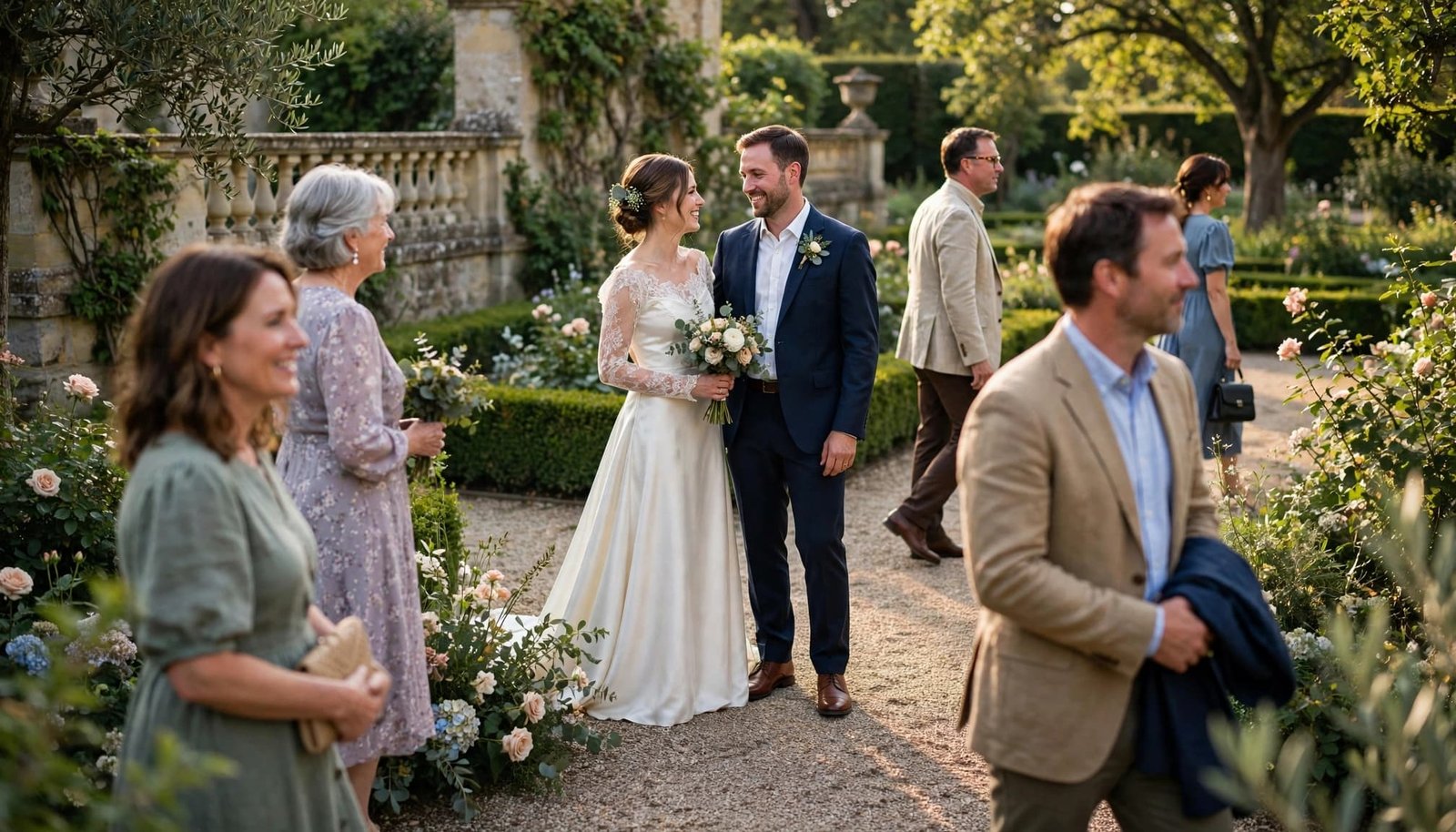
A receiving line is a chance for newlyweds, and sometimes their parents, to welcome guests individually. It may happen immediately after the ceremony or as guests arrive at the reception.
Estimate the greeting period based on the expected number of people in line and how long each greeting may take. Add a buffer for longer conversations or schedule delays, then plan enough background music to cover the time.
That location determines which sound system needs to cover it. A ceremony speaker inside a chapel won’t necessarily reach a greeting area outside. Likewise, reception music may be too distant to provide comfortable coverage near the entrance.
Place the greeting period in your reception timeline with music cues, including who signals that the couple is ready and where guests should go afterward.
Match the Mood to Personal Conversation
Warm acoustic arrangements, light jazz, soft soul, and relaxed pop can create an inviting atmosphere. Choose music with a steady, comfortable feel rather than dramatic builds or demanding sing-along choruses.
Familiar vocals can work, provided the lyrics suit the occasion and remain comfortably in the background. Music without vocals is also a practical choice when several conversations happen close together.
Save your most meaningful spotlight selections for their intended moments. A first dance song deserves its own introduction rather than becoming background music while guests wait to say hello.
Keep Sound Comfortable in the Greeting Area
Receiving line music needs to sound comfortable where people stand, not only beside the DJ’s setup. Speaker placement, nearby walls, outdoor conditions, and the distance between guests all affect what they hear.
Position sound so it supports the area without directing the strongest output toward the couple or guests waiting nearby. Our guide to wedding reception sound zones explains why separate spaces need separate attention.
The practical test is simple: can two people exchange congratulations at a normal speaking level? If they need to lean close or repeat themselves, reduce the music.
An empty greeting area can sound different once guests gather. Set a comfortable starting level, then adjust as conversations begin.
Keep announcements brief. One clear welcome and a direction toward cocktails or the reception usually support the flow better than repeated microphone interruptions.
Coordinate Ceremony Music Before the Receiving Line
Guest Arrival and Ceremony Entrances
Plan gentle background music for the approximately 30 to 40 minutes guests may spend arriving and waiting before the ceremony. This prelude needs a continuous selection, rather than one song repeated throughout the wait.
The wedding party procession and the main walk down the aisle are separate decisions. Treat the processional as its own decision, with an agreed cue and suitable ending. The entrances can share a selection or use different songs.
The Knot’s ceremony music guide outlines these distinctions. Clear cues help the music follow walking pace, pauses, and the actual ceremony rather than forcing everyone to match a recording.
Signing and the Recessional
If your ceremony includes signing the register, select music for that interval separately. Keep the atmosphere calm while allowing enough flexibility for the signing to finish naturally.
The recessional should sound celebratory. A song of about four minutes provides room for the newlyweds and wedding party to leave; the DJ can fade when the exit is complete.
For a traditional feel, Handel’s “Arrival of the Queen of Sheba” is one option. Paperlust’s ceremony song guide offers additional choices for matching ceremony moments with different musical styles.
Once guests reach the receiving line, lower the energy and volume. The exit celebrates the announcement; the greeting music supports personal conversation.
Choose Reception Songs for Entrances and Dinner
Make the Grand Entrance Upbeat
The reception entrance needs a distinct change in energy after the receiving line. Choose wedding songs that feel fun, recognizable, and easy to introduce rather than highly sentimental ballads.
Your entrance can use a 30-second section without vocals or a full four-minute song, depending on the number of introductions and the planned presentation. Give the DJ the exact version, starting point, and names in introduction order.
These upbeat wedding songs offer different entrance styles:
- “Can’t Stop the Feeling” by Justin Timberlake brings bright, welcoming pop energy.
- “Uptown Funk” by Mark Ronson ft. Bruno Mars suits a confident, playful entrance.
- “Dancing Queen” by ABBA adds familiar, celebratory appeal.
- “Shut Up and Dance” by WALK THE MOON provides an immediate lift.
- “We Found Love” by Rihanna fits a more dance-focused introduction.
Choose the track that suits your personalities, not simply the loudest opening.
Let Dinner Music Support the Meal
If your wedding breakfast includes a full three-course meal, prepare relaxing music that can continue through the entire service. A few favorite songs won’t cover a long meal.
Choose wedding reception songs that support conversation. Soft classics, acoustic pop, light country, and mellow soul can keep the meal connected to the celebration without competing with it. Give your DJ a preferred atmosphere and enough flexibility to accommodate service delays, speeches, and changes in the schedule.
Give Special Dances Their Own Music
Choose a Meaningful First Dance
A first dance should hold sentimental value and feel comfortable to perform. When comparing wedding dance songs, choose a steady rhythm that suits the movement you have in mind and is easier to prepare than sudden tempo changes.
A waltz or foxtrot can be a dependable starting point when the chosen song suits that dance style. The music and choreography should work together.
Write down three possible songs, listen together, and narrow the choices until one remains. Note the exact recording and whether you’d prefer the full song or a shorter dance.
Plan Parent Dances Separately
The father-daughter dance and mother-son dance are common wedding traditions, and each can have its own song and choreography. Include the parent involved when choosing music and deciding how formal the presentation should feel.
These dances are personal choices, not obligations. Your plan can include different family relationships or another meaningful format.
Music also affects the movement, expressions, and energy captured in wedding photos. Comfortable pacing allows participants to focus on one another rather than worrying about keeping up.
Give Your DJ or Band a Clear Music Brief
Separate Priorities From Suggestions
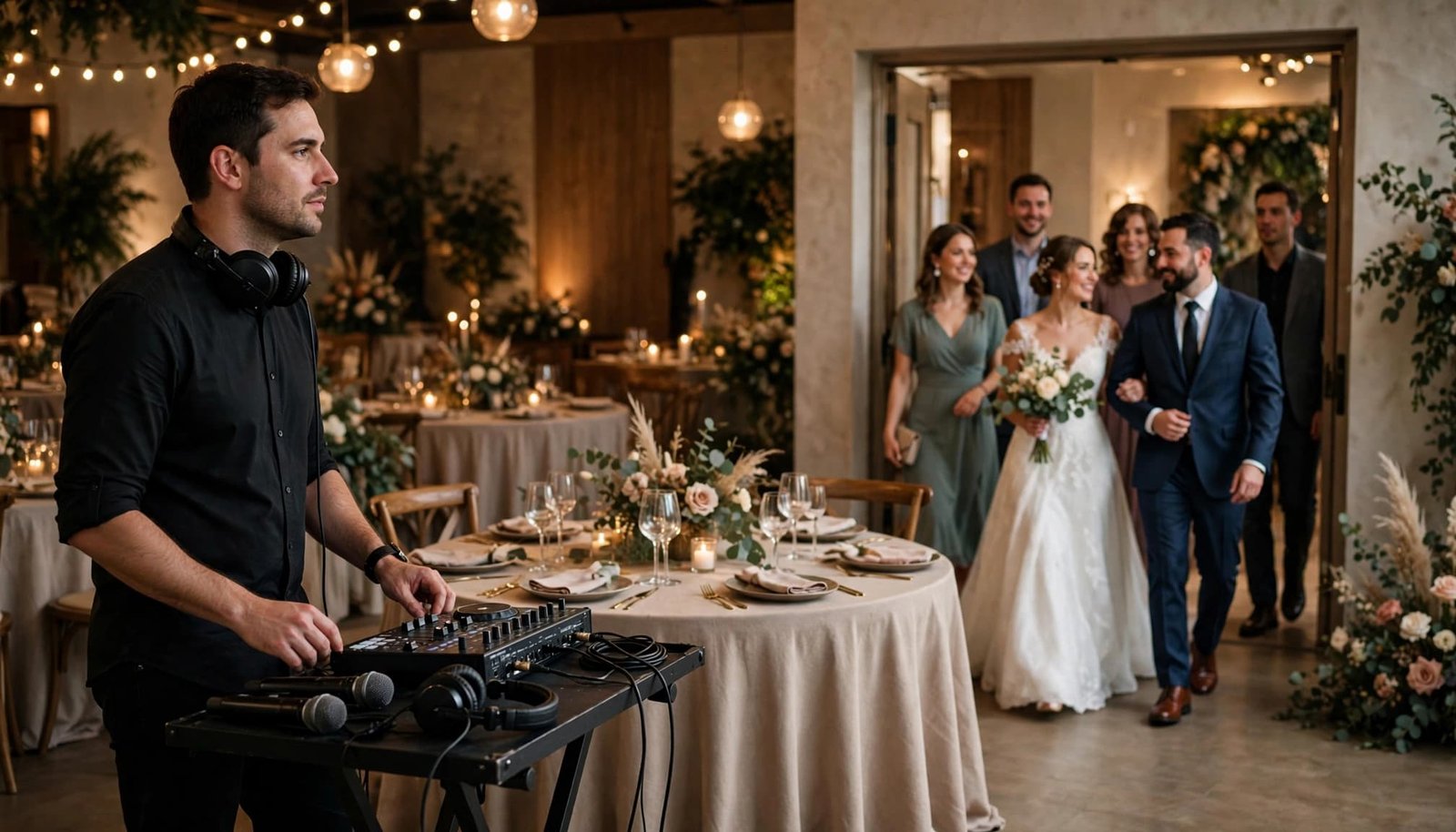
Organize requests into must-plays, flexible favorites, and do-not-play choices. Treat the wedding playlist as a flexible guide, not a fixed order, so your DJ knows which songs matter most.
Include favorite artists, genres, decades, cultural traditions, and guest preferences. Directions such as country during dinner, 2000s favorites later, or limited slow songs provide useful guidance beyond individual titles.
A do-not-play list can cover songs, artists, styles, or uncomfortable themes. Clean edits remove certain words, but they don’t always change a song’s overall subject. Explain the atmosphere you want and how guest requests should be handled.
Assign Cues and Transitions
For each formal moment, list the song, artist, recording version, starting point, and cue person. Add name pronunciations and the last dance song, version, and planned ending or fade. Agree on a backup playback option for key selections, and name who can approve a switch or timing change if the source fails.
Our guide to what a wedding DJ includes helps distinguish music selection, MC duties, and sound coverage when planning those responsibilities.
A live band can perform chosen selections within its repertoire and bring additional performance energy to the reception. Plan music for breaks and handoffs as well.
Beyond formal selections, give your DJ artist and genre pointers, then allow professional judgment to shape the dance floor.
Receiving Line Music FAQ
How Long Should the Music Last?
The music should continue until greetings finish, with additional selections available if the line moves more slowly than expected. Avoid tying the entire greeting period to one recording. Your DJ should follow the actual flow rather than stop because a playlist has ended.
Can the Recessional Continue Into the Receiving Line?
Yes, especially when the greeting area is close to the ceremony exit. Let the celebratory recessional establish the moment, then transition into softer background music as conversations begin. A gradual change feels more comfortable than carrying exit-level volume through every greeting.
Should Receiving Line and Cocktail Hour Music Match?
They can share a similar style, but their sound coverage and timing still need separate planning. Guests who have finished greeting may already be enjoying cocktails elsewhere. Keep both areas welcoming without making those still in line feel as though they’re missing the celebration.
Make the Greeting Feel Personal and Well Planned
Thoughtful receiving line music gives guests room to congratulate you while keeping the celebration connected. The strongest plan combines comfortable sound, suitable background selections, and clear transitions.
Choose your priorities together, place the greeting period on the timeline, and give your entertainment team clear direction. With those details prepared, you can focus on welcoming the people who came to celebrate with you.