Prom medication safety starts with a written health plan, accessible medication, and adults who know how to respond. Families and school staff should coordinate with the school nurse before the event, especially when students need emergency medication, scheduled doses, or allergy accommodations.
A formal venue, late dinner, and crowded dance floor can change how familiar routines work. Clear responsibilities help students enjoy the evening without unnecessary barriers to care.
Start by connecting each student’s arrangements to the prom schedule, staffing, and venue.
Key Takeaways
- Include the school nurse early, and carry relevant student health plans into off-campus and after-prom arrangements.
- Keep emergency medication accessible under the student’s approved plan; ordinary bag, phone, and departure rules need appropriate medical exceptions.
- Assign trained responders, protect private information, and coordinate food preparation, emergency access, and communication before students arrive.
Build Prom Medication Safety Into the Event Plan
Medication management is part of patient safety planning, alongside transportation, supervision, and the event timeline. A permission-form entry alone doesn’t establish who will help a student during dinner or on the dance floor.
Coordinate Through the School Nurse
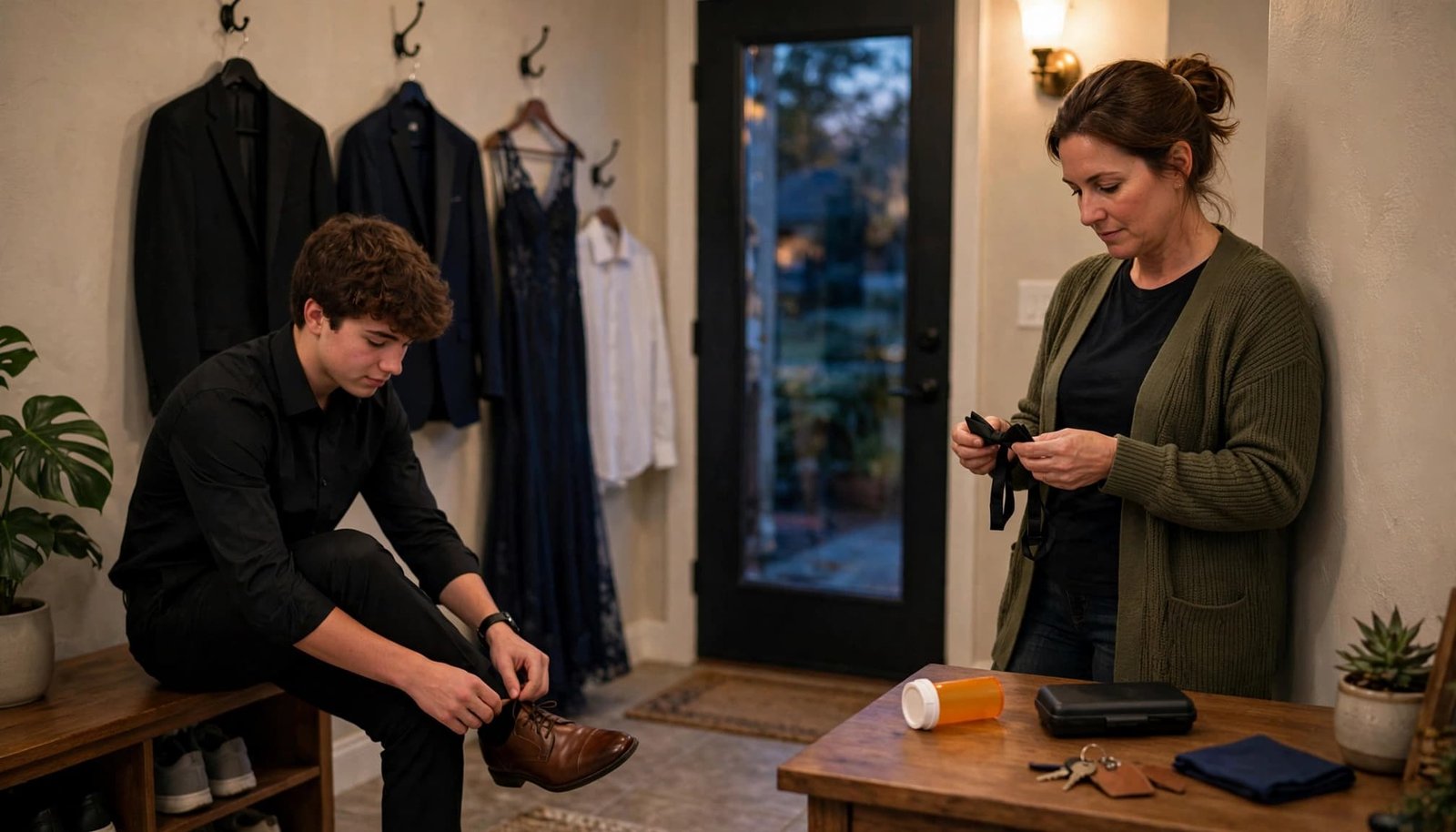
Families should share medication needs, allergies, and relevant accommodations through the school’s designated health-information process. The nurse can connect those details with existing orders, authorizations, and individual emergency plans.
Document who is responsible for scheduled medication, what the student may carry, and how assistance will be available. Include outside guests whose medical arrangements may not already be known to the host school.
Medication timing or dosing changes belong with the student’s prescribing clinician. Families and event staff shouldn’t adjust treatment to fit dinner service or transportation.
Cover the Entire Evening
Review arrival, photographs, dinner, dancing, departure, and any school-sponsored after-prom activities. A medication plan needs coverage whenever responsibility passes between adults or locations.
An after-prom event may have different staffing, bag restrictions, and transportation arrangements. Assign the handoff rather than assuming the prom team remains responsible.
Our school prom planning guide connects these individual arrangements with the broader event schedule.
Keep Medication Accessible and Properly Managed
Reliable access requires more than identifying a storage location. Staff need a practical process for check-in, meal service, and dismissal.
Separate Emergency Access From Routine Storage
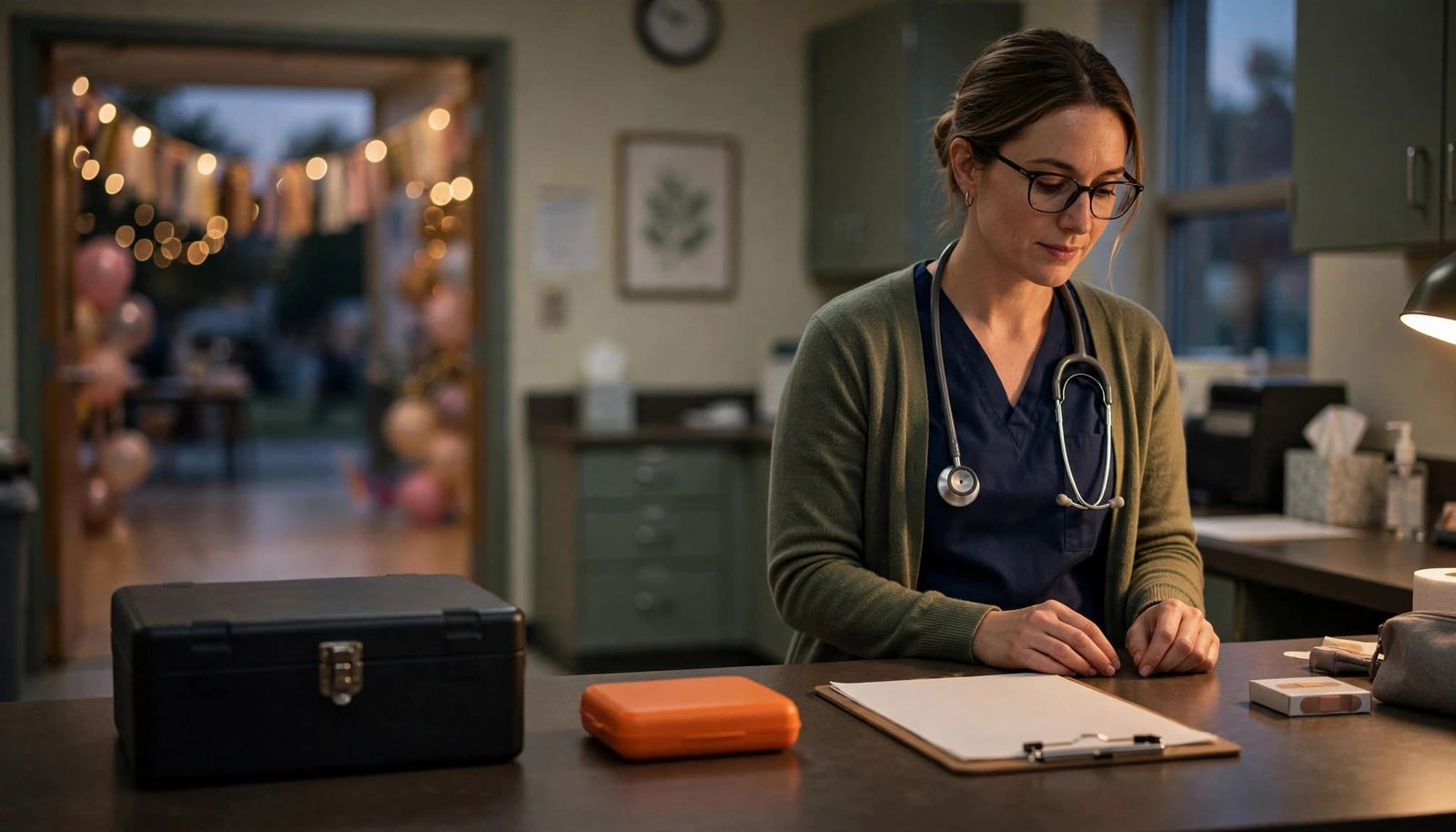
Follow the student’s approved plan and applicable school procedures for self-carrying, storage, and administration. Set clear expectations against medication sharing to prevent at-risk behaviors while preserving authorized access. Rescue medication shouldn’t become inaccessible in coat check, a vehicle, or a locked room without an available authorized adult.
Identify the primary responsible adult and a backup. Include medication access during an evacuation or an unexpected venue change.
For medication held by staff, use the school-approved labeling and documentation process. Follow product-specific storage instructions as part of medication management. Families can confirm storage requirements with pharmacists and the student’s clinician. A hot vehicle isn’t appropriate medication storage.
Make Medical Exceptions Practical
A small evening bag may not accommodate necessary supplies. Explain medical exceptions before arrival so students aren’t negotiating access at the entrance.
Phone restrictions also need individual consideration when a student uses a phone with a prescribed monitoring system. Security staff should know how to refer accommodation questions privately.
Students shouldn’t leave alone to retrieve medication. Use an approved, supervised process, and provide a discreet place for care without making that space the only permitted location for urgent assistance.
Plan Food Allergies Beyond the Menu
A thoughtful meal plan covers ingredients, preparation, service, and emergency response. The CDC’s school food-allergy guidelines include school activities and individualized planning, making them relevant to prom preparations.
Coordinate Ingredients and Cross-Contact Precautions
Collect dietary requests privately through a designated school contact, then share necessary information with the catering lead.
Discuss how meals will be prepared, transported, identified, and delivered to the correct student. Cross-contact can occur through shared utensils, surfaces, equipment, or serving containers.
A dish label provides useful information, but it doesn’t establish that preparation was suitable for a serious allergy. Don’t promise an allergy-free event on the caterer’s behalf.
Keep an informed food-service contact available throughout service, including dessert and late-night refreshments.
Connect Meals With Individual Accommodations
Include the nurse and appropriate support team when food allergies require individual arrangements. A food allergy that substantially limits a major life activity may qualify for Section 504 accommodations.
Students may need an agreed meal alternative, permission to bring suitable food, or assistance locating the correct plate. Arrange support without public announcements or visible medical labels.
Our inclusive prom planning guidance connects dietary support with a welcoming event experience.
Prevent Medication Errors During a Busy Event
NCC MERP defines medication errors as preventable events that can cause inappropriate medication use or harm while medication is controlled by a healthcare professional, patient, or consumer. Some errors lead to adverse events, while others are caught before harm.
The Institute of Medicine’s 2006 medication-safety report estimated that at least 1.5 million people were harmed annually. This historical national estimate doesn’t measure prom risk, but it supports careful patient safety practices. The FDA’s Safe Use Initiative provides broader medication-safety context, not a school or prom requirement.
Reduce Distractions and Unclear Handoffs
Missing allergy information, similar medication names, unclear directions, and interruptions can contribute to medication errors. At prom, noise, dim lighting, and rotating staff add practical complications.
Use these safety strategies for routine medication tasks: choose a well-lit location, keep directions available, and document administration through the school’s approved process. Clear records and handoffs help prevent medication errors, including a repeated dose.
Use the school’s approved process for error reporting and incident reporting, including errors, incidents, or near misses. Don’t substitute an informal verbal message for required documentation or give medication based on another student’s recollection.
Clinical teams may use tall man lettering to distinguish lookalike sound-alike medications. Prom staff should follow approved labels and procedures, not relabel medication or improvise clinical safeguards.
Use Qualified Checks for High-Alert Medication
High alert medications, including insulin and opioids, can cause especially serious harm when errors occur. Prescribed opioids may also be controlled substances, so follow school policy and the student’s approved plan.
ISMP Canada’s high-alert medication guidance includes the Canadian high alert medication list as clinical reference material, not as a prom-specific rule. Pharmacists and other qualified clinical team members can help establish safeguards suited to the medication and setting.
Where policy requires an independent double check, qualified personnel assess the order and medication separately before comparing findings.
Chaperones shouldn’t calculate a dosage, change device settings or medication instructions, or handle medication administration without the required authorization and training.
Assign a Calm, Immediate Emergency Response
A dependable response identifies who provides care, who calls for help, and who manages the surrounding room. Security personnel and the DJ aren’t automatic medical responders.
Recognize Urgent Symptoms and Act
For suspected anaphylaxis, activate the student’s emergency plan, promptly use prescribed epinephrine as directed, and call 911. The CDC’s school allergy response guidance identifies prompt injectable epinephrine as the recommended treatment.
Antihistamines aren’t a substitute for epinephrine in anaphylaxis. Don’t wait for a parent to arrive before emergency action.
Breathing difficulty, collapse, seizures, or significant confusion also require immediate medical attention. Staff shouldn’t assume unusual behavior is intoxication or delay care while considering discipline.
Coordinate the Room Without Sharing Medical Details
Assign an adult to meet emergency responders at the correct entrance. Keep the access route clear, identify the AED and first-aid supplies, and maintain supervision elsewhere.
Staff should know how to reach the medical lead without relying on an announcement over loud music. Provide a backup communication method and an exact venue address.
We can support school-approved announcements and music changes while designated personnel handle care. The school dance emergency planning guide connects these roles with the school’s response structure.
Give vendors the operational instructions they need, such as lowering music or clearing an entrance, without distributing student diagnoses.
Complete a Final Pre-Prom Readiness Review
Use a short review before doors open to confirm the written plan matches the people and resources actually present.
- Name the medical lead, backup, administrator, and adult assigned to meet emergency responders.
- Account for authorized medication, relevant plans, required supplies, and arrangements for returning staff-held medication after the event.
- Review catering handoffs, medical exceptions, quiet care space, and accessible routes.
- Test staff communications and share the venue address and responder entrance.
- Explain incident documentation and supervised release procedures, including transfer to an after-prom team.
After immediate care is addressed, complete incident reporting for incidents and near misses through the school’s approved process. Review access delays and unclear handoffs to support a culture of safety. Use what you learn to improve planning for the next event.
Frequently Asked Questions
Can Students Carry Their Own Medication at Prom?
Self-carry arrangements depend on the medication, the student’s approved plan, applicable requirements, and school procedures. Prom shouldn’t automatically interrupt an established arrangement because the venue has different bag rules.
Families should resolve authorization and access arrangements with the school nurse before the event. Students also need to know which adult to approach if medication is missing, inaccessible, or needed unexpectedly.
What If a Student Forgets Emergency Medication?
Notify the designated medical lead promptly. Follow the student’s plan and school procedures; don’t assume another student’s medication or the venue’s first-aid kit provides an appropriate replacement.
Stock medication, when available, has its own authorization and administration requirements. If serious symptoms develop, call 911 and follow the emergency plan immediately rather than waiting for someone to retrieve supplies.
Give Students a Well-Prepared Evening
A reliable prom medical plan makes access and responsibility clear before the celebration begins. Individual arrangements, informed catering, and trained responders help students participate with confidence.
Bring the medication and allergy plan into the final staff briefing, including arrival and departure coverage. When adults understand their roles, students can focus on the music, their friends, and the occasion.