Prom should feel like a celebration, not a test of whether a student can afford the outfit, tolerate the noise, find a date, or fit someone else’s idea of tradition. A high school prom should welcome different budgets, social preferences, mobility needs, cultural traditions, and sensory needs. Inclusive prom planning gives every student a more comfortable way to participate, while culturally responsive prom planning respects student identities without requiring explanations.
For New Hampshire schools, thoughtful school prom planning combines student input, clear school expectations, practical accessibility, and dependable event coordination. The details matter because prom night moves quickly once the doors open.
Key Takeaways
- Start inclusive prom planning nine to 12 months early, and use student and family input to guide venue, dress, food, music, ticketing, and event policies.
- Treat accessibility, reasonable accommodations, sensory-friendly options, food safety, and clear emergency plans as core responsibilities rather than optional extras.
- Keep prom affordable through confidential ticket assistance, clothing support, transportation help, and sponsor-a-ticket fundraising so students do not have to explain their circumstances.
- Welcome students attending alone, with friends, or with a date, and use flexible dress guidance that respects cultural traditions, religious practices, adaptive clothing, and affirming attire.
- Use a detailed run of show with clear adult roles, vendor expectations, accessible routes, quiet-room coverage, and backup plans for a smoother prom night.
Start With a Shared Definition of Inclusion
An inclusive prom is not a themed poster or one menu item added at the end. School prom planning should create inclusive events from arrival through departure, not just through decorations or messaging. Students should be able to attend, move through the space, eat, dance, rest, and take part in traditions without unnecessary barriers.
Event accessibility at prom is part of a school’s responsibility, not an optional courtesy. The U.S. Department of Education explains that Section 504 protections support equal access to school programs and activities for qualified students with disabilities. Prom advisers should involve the school’s Section 504 coordinator, special education team, nurse, and facilities staff early when accommodations may be needed.
Cultural inclusion also needs real conversation with students and families. They may have different customs, family expectations, faith practices, food preferences, or ideas about formalwear. Ask what would help rather than assuming one approach works for everyone.
A decoration can be changed in an afternoon. A venue barrier, missing accommodation, or unclear policy can keep a student from enjoying prom at all.
Build a Prom Committee That Reflects the School
The prom committee gathers broad student input because school prom planning decisions can affect the entire senior class. Invite broad participation before major decisions are made, including venue selection, dress guidance, food, music, ticket pricing, and prom traditions.
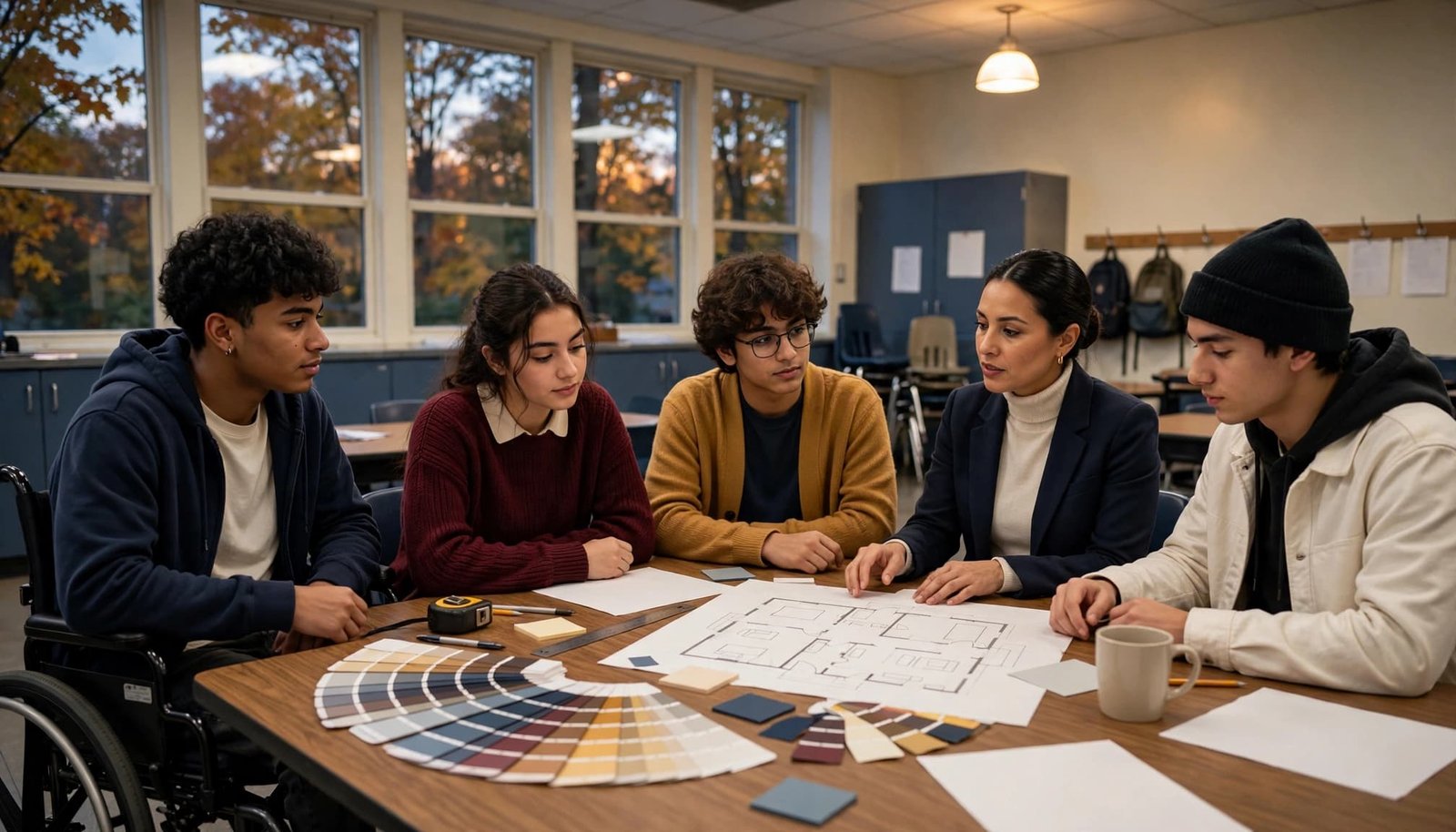
Include students from different grades when appropriate, students with disabilities, multilingual learners, student athletes, arts groups, career and technical programs, student government, and students who do not usually attend school dances. A family engagement staff member can help the committee hear from families who may not attend evening meetings.
Ask Questions That Lead to Useful Answers
A short anonymous survey can collect honest feedback without asking students to explain private details publicly. Keep it mobile-friendly, allow students to skip questions, and use findings to support community building without requesting private information.
Try questions such as:
- “What would make prom feel more welcoming or comfortable for you?”
- “Are there music genres, food choices, or activities you would like represented?”
- “Would a quiet room, lower-volume area, or seated social space help you enjoy the event?”
- “What cost or transportation concerns could make attending difficult?”
- “What should students know about dress, dates, and group attendance before tickets go on sale?”
The committee should look for patterns, not treat one response as a demand. A thoughtful process gives school leaders better information and shows students their feedback has a place.
Give Adults Clear Decision-Making Roles
Student voice should guide priorities, but adults retain responsibility for contracts, safety plans, accommodations, purchasing rules, emergency decisions, and vendor communication. Name one school employee who can approve changes on prom night. The DJ, venue contact, administrator, and lead chaperone should all know who that person is.
This avoids mixed messages when a schedule changes, a song request raises concerns, or the room needs to be adjusted.
Create a Prom Timeline Before Venues Book Up
For a high school prom, most schools should begin school prom planning nine to 12 months in advance. Dated timeline tasks help teams secure popular spring dates before New Hampshire venues, transportation providers, photographers, caterers, and entertainment professionals book up.
Nine to Twelve Months Before Prom
Choose the adult advisers and student committee. Set a working budget, estimate attendance, compare prom venue options, and begin a written accessibility plan. Ask the venue about accessible entrances, restrooms, parking, loading access, transportation drop-off, curfew, food rules, emergency procedures, security requirements, and weather contingencies.
Review the New Hampshire Department of Education non-discrimination notice alongside district procedures as one part of district-level planning, especially when a student or family raises an access concern.
Six to Eight Weeks Before Prom
Finalize ticket support, guest rules, the floor plan, catering counts, transportation details, music standards, chaperone assignments, and the event timeline. Send families one clear information sheet with ticket details, arrival time, location, dress guidance, food information, and a contact for questions.
Two weeks before prom, hold a final meeting with the school lead, venue manager, DJ, caterer, security team, and student representatives. Review the full night in order, including setup, check-in, formal announcements, food service, quiet-room coverage, last dance, departure, and teardown.
Keep Prom Affordable Without Making Students Explain Themselves
In school prom planning, a high ticket price creates a barrier before students reach the dance floor. Students can request reduced-cost prom tickets through a counselor, family liaison, activities office, or simple confidential form.
Avoid public language about “need” or “hardship.” Students shouldn’t have to tell classmates why they received financial aid, ticket assistance, borrowed clothing, or transportation help.
Build a Budget That Shows Priorities
Prom expenses can grow quickly when every detail is treated as a must-have. Treat budget and fundraising as one planning category, including PTO, alumni, local businesses, and sponsor-a-ticket support. Prioritize safety, participation, food, transportation, and access before visual extras, then add enhancements if funds allow.
| Budget Area | Plan First | Lower-Cost Option |
|---|---|---|
| Venue and accessibility | Safe entry points, restrooms, seating, parking, and emergency access | Use an accessible school space or community room |
| Entertainment | Professional sound, clean music, announcements, backup equipment | Prioritize sound and hosting over extra effects |
| Decorations | Lighting, table coverings, photo area, directional signs | Use reusable fabric, borrowed greenery, and a student-made photo backdrop |
| Food and beverages | Allergen-aware and varied meal choices | Offer a dessert bar with clearly labeled ingredients and separate service tools |
| Student support | Reduced-price tickets and transportation | Build a sponsor-a-ticket fund through PTO, alumni, or local businesses |
The takeaway is simple: safety, access, and student participation come before expensive decor.
Use Low-Cost Decorations With Care
Use fabric panels, battery-powered candles, paper lanterns, table runners, and rented uplighting for decorations and setup. These reusable options can transform a gym or cafeteria without a costly set and return for future school events.
Keep aisles, doorways, emergency exits, and accessible routes open. Do not place floor decor, photo props, cords, or furniture where they create a trip hazard.
Choose an Accessible Prom Venue and Floor Plan
A beautiful ballroom isn’t the right prom venue if students cannot enter, move around, eat, dance, rest, or use restrooms comfortably. During school prom planning, visit the site with a written checklist, not just a brochure.
For a plain-language explanation of disability access in education, consult Disability Rights Center-NH’s overview of Section 504 in school programs. Individual accommodations for students with disabilities should be discussed with the student, family, and appropriate school team.
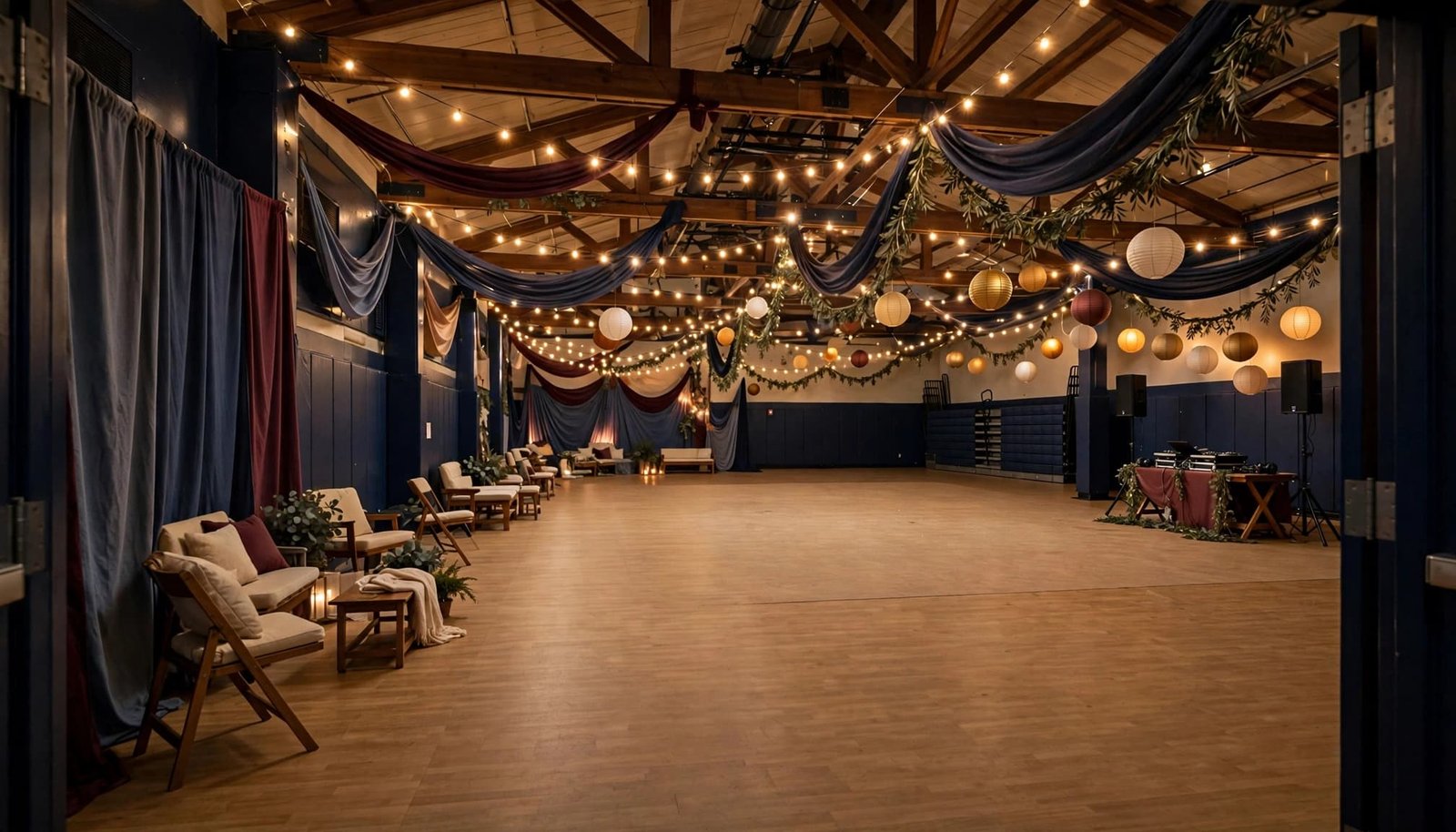
Required Access and Helpful Enhancements
Physical access, reasonable accommodations, and equal participation are core parts of event accessibility, not decorative extras. The venue plan should cover entrances, exits, parking, restrooms, seating, check-in, food service, dance areas, and any stage or photo area used during prom.
Optional enhancements can make the event more comfortable for many students. Accessible prom ideas include lounge seating, a sensory-friendly seating zone, visual maps, a family pickup area, or a second photo backdrop away from the busiest part of the room.
Walk the Route Students Will Use
During the final walkthrough, compare the floor plan with students’ route from parking to check-in, dining, dance floor, quiet room, restroom, and exit. Can a wheelchair user move without asking people to relocate? Are tables spaced well? Is the check-in table reachable? Are cords secured along walls or protected with approved cable ramps?
Audio and power cables should never cross an emergency exit, doorway, staircase, or accessible route. A professional DJ can coordinate equipment placement with the venue-approved layout, keeping speakers, lighting, and control equipment in a protected setup area.
Make Sensory-Friendly Options Normal, Not Isolated
Prom is busy by design. Music, lights, laughter, announcements, photos, and crowded dance floors can be enjoyable for some students and overwhelming for others. A sensory-friendly plan gives students control without separating or stigmatizing them.
Set Up a Quiet Room That Works
Depending on the building layout, schools may designate one or more quiet rooms. Choose a nearby room that’s easy to reach, supervised, and away from subwoofers or flashing lights. Provide regular chairs, soft lighting, water, and quiet activities such as coloring sheets or fidget items when students request them.
Let students come and go without drawing attention. Don’t use the quiet room as a discipline space, storage room, or chaperone break room. Its purpose is to offer a calm place to reset and return when ready.
Plan Sound and Lighting With the DJ
Loud isn’t the same as exciting. Music should fill the room while still allowing students to hear announcements, nearby friends, and staff instructions. Ask the DJ to test sound levels from the dance floor, dining area, entry, and quiet-room door.
Share known needs in advance through the school’s accommodation process. Reduce or avoid strobe effects when an accommodation or venue rule calls for it. A skilled DJ can maintain energy through song selection, timing, lighting color, and polished hosting instead of relying on constant high volume.
Welcome Different Ways of Dressing, Arriving, and Celebrating
Traditional prom expectations can make students feel like they have to perform a certain role. A welcoming school message gives students room to participate in ways that fit them, without treating one kind of arrival, outfit, or celebration as standard.
Make Dates Optional and Groups Welcome
State clearly that students may attend alone, with a date, or with a friend group. This small change removes pressure and helps students who want prom’s music, photos, and social time without a couple-focused experience.
Prom publicity should show pairs, friend groups, and solo attendees. At check-in, use neutral language such as “welcome, everyone” rather than comments that assume each student arrived with a date.
Write a Flexible Dress Guideline
Share plain-language dress expectations before tickets go on sale. “Formal or dressy attire that follows school rules” is more welcoming than a narrow description of gowns and tuxedos. Students may choose suits, dresses, cultural formalwear, religious head coverings, traditional garments, adaptive clothing, or affirming attire. No single choice should be treated as the norm.
A “wear what you have” message should be backed by options. Partner with a local clothing bank, theatre department, PTO, or alumni group for a discreet clothing exchange. Offer garment bags, tailoring help, shoes, and accessories when possible.
Prom court can also change. Royalty or recognition shouldn’t depend on popularity, gendered roles, or couple status. Invite nominations based on school contribution, kindness, leadership, creativity, service, or community spirit. Use neutral titles such as Prom Ambassadors or Prom Court, and let students help select a format that feels right for their school.
Plan Food and Music With Respect and Clear Standards
Food and music are central to school prom planning because they shape participation and belonging, not just entertainment. Do not turn one culture’s food or music into a novelty station. Ask students and families what they would genuinely enjoy, then build a balanced plan around budget and available vendors.
Offer Food Students Can Identify and Eat
Compare catering options for menu variety, labeling procedures, cross-contact controls, staffing, and cost. Ask the caterer for ingredient information, serving procedures, and a plan to prevent cross-contact. Plan for allergies, dietary restrictions, religious food practices, and vegetarian choices. Clearly identify dishes and allergens, use separate utensils, and avoid making students ask a server what is safe every time.
The CDC’s guidance on food allergies in schools includes school-event planning as part of managing serious allergic reactions. Food allergies can also require Section 504 accommodations when they substantially limit a major life activity.
Include the school nurse in the event plan. Confirm three details: where emergency medication is kept, which adults are trained, and how to reach help quickly. The CDC’s school food allergy toolkit offers practical training materials for school staff.
Build a Music Plan Students Can Trust
For entertainment and music, collect requests one or two weeks before prom through a short form. Ask for the song title, artist, preferred version, and a favorite genre. Explain that requests guide the music plan but are not guarantees.
School rules should govern lyrics, themes, edits, announcements, and microphone use. A radio edit is a starting point, not automatic approval. Some versions still include sexual themes, violence, drug references, or awkward dropouts that do not fit the event.
A written music brief should identify approved genres, must-play songs, do-not-play selections, clean-edit expectations, and the adult with final approval. A professional DJ can read the crowd, take the room’s energy up or down, and decline an unsuitable request without turning the moment into a confrontation.
Use a Detailed Run of Show on Prom Night
A minute-by-minute run of show isn’t about making prom stiff. It turns school prom planning into a shared map for staff, the DJ, venue, caterer, and chaperones. Everyone can follow it when several things happen at once.

Include the Moments Students Notice
List vendor arrival times, equipment setup, sound check, doors opening, check-in, dinner or dessert, formal photos, student recognition, special performances, final song, and dismissal. Schedule quiet-room coverage and a sensory-friendly, lower-stimulation transition, then announce those spaces clearly. Add staff names, emergency contacts, safety and security procedures for restricted equipment areas, cue points, and backup plans for weather, late buses, or an unexpected venue issue.
For New Hampshire schools using hotels, banquet facilities, or community venues, confirm load-in times and room access in writing. A DJ needs enough time to set up safely, test microphones, and place cables correctly before students arrive.
Keep Chaperones and Vendors in Their Roles
The DJ manages music flow, announcements, volume, and transitions. School staff manage student behavior, guest rules, discipline, and safety under district policy. Security or venue staff should handle guests who interfere with equipment or enter a restricted setup area.
Give chaperones the final floor plan and a short duty briefing. They should know who covers entrances, dance areas, food service, restrooms, quiet spaces, and pickup. Clear assignments for chaperone supervision create a calmer room and let students focus on the celebration.
Frequently Asked Questions
When should a New Hampshire school begin planning prom?
Schools should generally begin planning nine to 12 months before prom. This gives the committee time to secure a venue, arrange transportation and vendors, develop accessibility plans, gather student input, and build confidential financial support.
How can schools make prom more accessible?
Begin with a written accessibility checklist covering entrances, parking, restrooms, seating, check-in, food service, dance areas, quiet spaces, and emergency routes. Involve the Section 504 coordinator, special education team, nurse, facilities staff, student, and family when individual accommodations may be needed.
How can schools keep prom affordable without stigmatizing students?
Offer reduced-cost tickets, clothing assistance, transportation help, or sponsor-a-ticket support through confidential channels such as a counselor, family liaison, or simple form. Avoid public language about hardship or need so students can receive support without explaining their circumstances to classmates.
What should an inclusive prom dress guideline include?
Use plain-language guidance such as “formal or dressy attire that follows school rules” instead of requiring a specific type of outfit. Students should be welcome to wear suits, dresses, cultural formalwear, religious head coverings, traditional garments, adaptive clothing, or affirming attire.
How can a prom support students with sensory needs?
Provide a supervised quiet room with regular seating, soft lighting, water, and quiet activities, and let students use it without drawing attention. Ask the DJ to manage sound levels carefully, limit flashing effects when needed, and offer lower-stimulation spaces or transitions.
A Prom That Makes Room for Every Student
The best prom memories are not built around the most expensive backdrop or the loudest song. They come from students feeling welcomed, comfortable, and able to share the night with friends on their own terms.
Strong inclusive prom planning begins early and listens carefully. It connects accessibility, affordability, cultural respect, food safety, and event flow as shared standards for inclusive events. When the school prepares well, a high school prom feels like it belongs to the whole class.