Plan bouquet garter toss music by choosing the traditions you want, selecting short musical highlights, and giving your entertainer clear announcement and transition cues. The right preparation keeps these moments comfortable, personal, and connected to the rest of your celebration.
A familiar song can bring everyone together, but timing and participation matter just as much as the track itself. Start with the experience you want, then build the music around it.
Key Takeaways
- Decide whether you want both tosses, only one, or an alternative before choosing songs.
- Give your DJ the exact recordings, preferred cue points, announcement boundaries, and next dance selection.
- Keep participation optional, use a lightweight toss bouquet, and treat garter removal as a separate decision.
Understand What Each Tradition Involves
The Bouquet Toss
During the traditional bouquet toss, the bride throws her bouquet over her shoulder toward single or unmarried attendees. Folklore says whoever catches it will be the next to marry.
That invitation doesn’t have to define your celebration. Couples can welcome all interested participants, include people of any gender, or replace the catch with a presentation. The announcement should explain your choice clearly so nobody has to guess whether they’re included.
Garter Removal and the Garter Toss
The wedding garter is a delicate band, often white lace or a vintage-style piece of lingerie. Its traditional associations include good luck, fertility, and the transition from single life to marriage.
In the traditional wedding garter ceremony, the groom removes it from the bride’s leg using his hands or teeth, then tosses it to single male attendees. The catcher receives the same next-to-marry prediction.
Removal and tossing are separate choices. You can skip the public removal and have a separate garter ready for the toss.
Know the Folklore Without Following Every Custom
One familiar English origin story describes wedding guests trying to take pieces of the bride’s dress for good luck. The bride supposedly threw her flowers to distract them, then retreated to the bridal chamber while the groom threw out the garter.
Events by Dubsdread’s tradition history recounts the English dress-taking story. Other accounts connect the garter to older European bridal-chamber customs.
These stories are folklore rather than one firmly dated history. They explain the good-luck theme, but they don’t create an obligation for modern couples.
Your celebration can acknowledge the tradition while changing its format, audience, or tone. Choose the parts that feel enjoyable and leave out anything that feels uncomfortable.
Schedule the Tosses Around Reception Flow
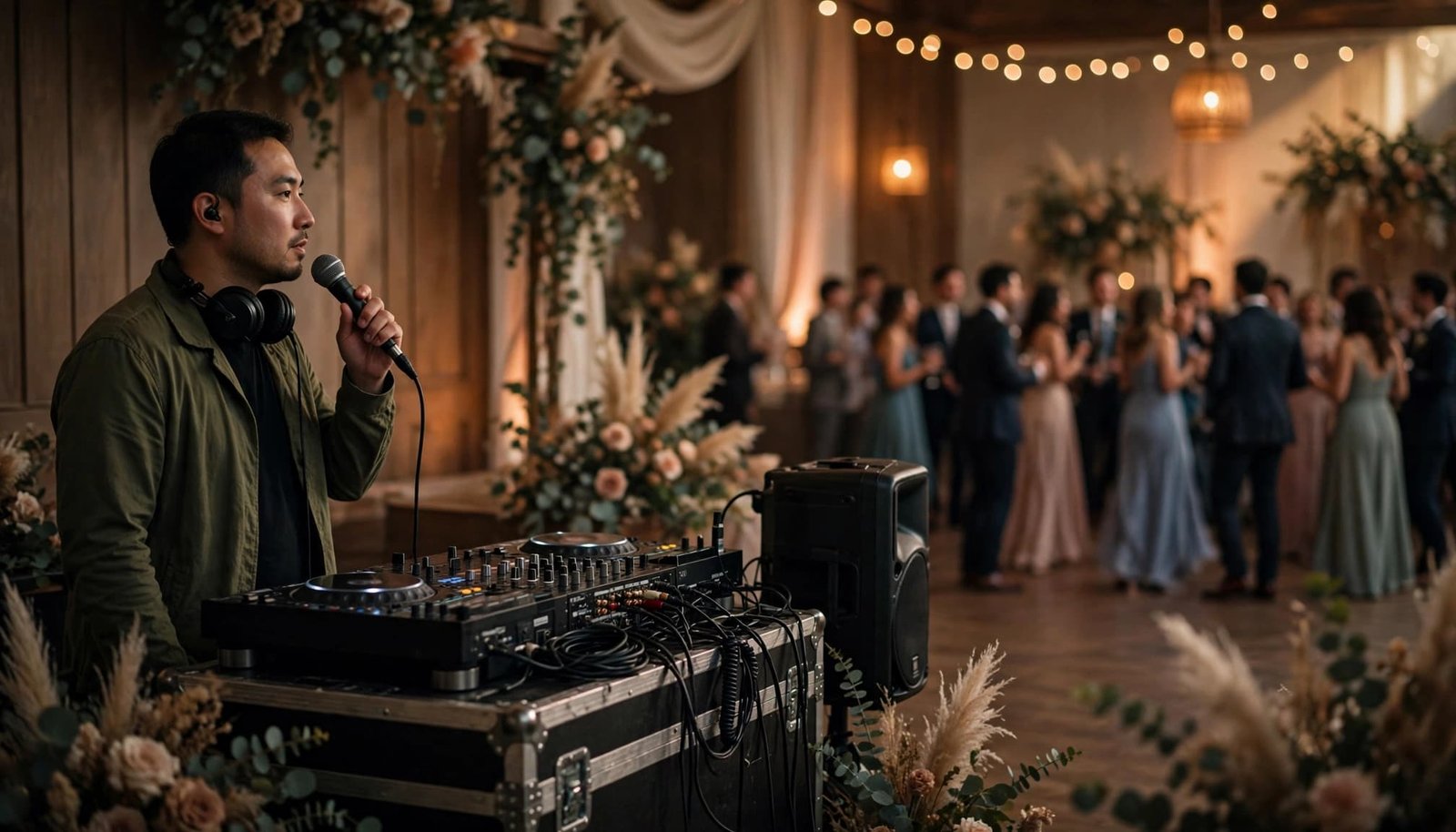
Use Reception Milestones Alongside the Clock
The last third of the evening is a common placement for the tosses, usually after dinner and parent dances. About 90 minutes to two hours into the party is another planning reference; it won’t align with the final third of every schedule.
Another option is shortly after the first dance on your wedding day, once evening attendees have arrived and people are near the dance floor. Our wedding reception timeline examples help connect those milestones with music cues.
Keep Both Tosses Together When Practical
Holding both tosses together gathers everyone in one place and can build excitement without interrupting dancing twice. Plan the sequence with your music entertainment or band, venue coordinator, and photographer.
Before the announcement begins, have the toss items ready and the photography position clear. If dinner runs late or the dance floor has just filled, your approved schedule should leave room for an adjustment.
A compact, coordinated sequence keeps the focus on the celebration instead of repeated instructions or unnecessary waiting.
Choose Music That Fits Each Moment
The best selection combines personal taste, recognizable music, and the atmosphere you want everyone to experience. A favorite song still needs the right placement.
Bouquet Toss Songs: Playful or Celebratory?
Beyoncé’s “Single Ladies (Put a Ring on It)” offers an obvious, playful connection when you’re using a traditional singles-only invitation. For an all-guest toss, Cyndi Lauper’s “Girls Just Want to Have Fun” may suit a women’s group, while Natalie Cole’s “This Will Be (An Everlasting Love)” offers a broader celebratory approach.
Choose a recognizable chorus or musical highlight rather than waiting through a long introduction. The music host can use a short section while the crowd gathers, lower it for instructions, and bring it forward for the toss.
The song should support your invitation rather than contradict it.
Garter Music: Set the Comfort Level First
For a playful, non-suggestive toss, consider “Uptown Funk” by Mark Ronson featuring Bruno Mars or “You Make My Dreams” by Daryl Hall & John Oates. Either can provide upbeat energy without turning the moment into a staged removal performance.
A flirtier choice, such as Hot Chocolate’s “You Sexy Thing,” changes the atmosphere. Choose that direction only when both partners are comfortable with the attention.
Review the lyrics and overall theme, not just explicit words. A clean edit can remove language while leaving a sexual theme intact. Record these preferences in our wedding playlist planning worksheet.
Give Your DJ a Clear Cue Sheet
A reliable music plan identifies what happens before, during, and immediately after each toss. Song titles alone leave too much open to interpretation.
Include the artist, recording version, preferred starting section, and any planned fade. Mark toss selections as must-plays, keep general favorites flexible, and identify songs or themes you don’t want.
These cues give the sequence a clear structure.
| Timeline Moment | Music and Coordination Cue |
|---|---|
| Invite participants | Lower the music so the invitation is clear. |
| Prepare the toss | Use the selected musical section while everyone gets positioned. |
| Make the toss | Follow the agreed countdown and musical cue. |
| Return to dancing | Start the next dance selection without an extended pause. |
The important handoff is the return to dancing. A familiar track such as Earth, Wind & Fire’s “September” or Whitney Houston’s “I Wanna Dance with Somebody” can welcome the wider room back.
Our wedding MC announcement order helps place these instructions within the larger evening program. Keep microphone wording brief, welcoming, and consistent with your participation rules.
Keep the Toss Safe and Participation Optional
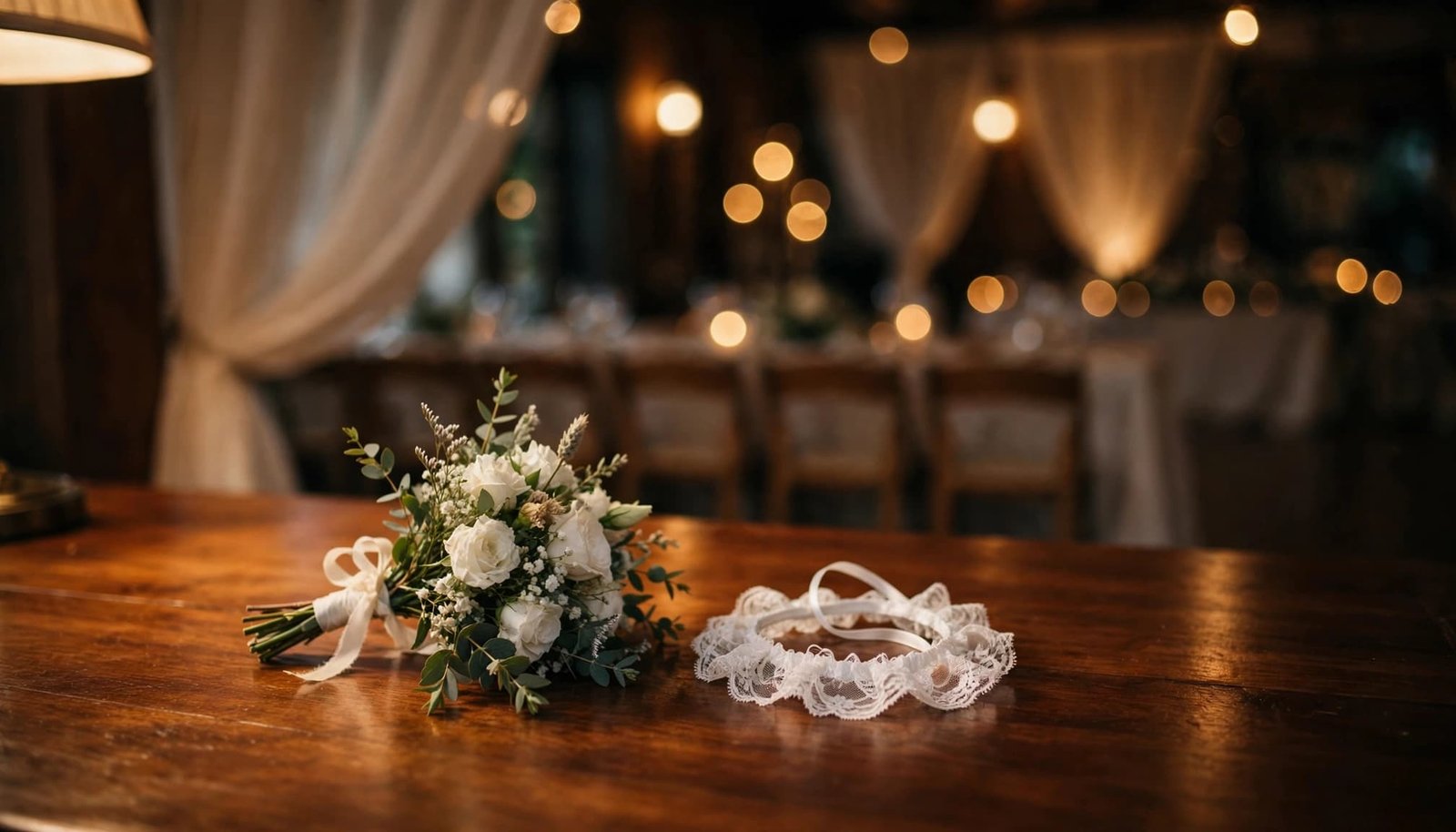
Prepare a Smaller Toss Bouquet
A full bridal bouquet can be heavy enough to cause an injury. Use a smaller, lighter toss bouquet, either as a separate posy or a removable arrangement tucked into the main bouquet.
Many brides keep the original flowers and choose a less expensive secondary bouquet for this moment. Remove exposed pins, sharp accessories, or heavy decorative pieces before tossing.
Give participants clear space away from tables, glassware, overhead fixtures, and service traffic. The MC can encourage a friendly catch without encouraging pushing or diving.
Respect Boundaries Before Making Announcements
Some people enjoy these traditions; others find the bouquet toss awkward or the garter ceremony overly sexualized. Participation should be voluntary, without calling reluctant participants out by name.
The garter’s historical good-luck associations don’t override personal boundaries. In the optional garter remount ceremony, the man who catches the garter places it on the leg of the woman who caught the bouquet. Some couples use this to pair single friends.
Catching either item is not consent to physical contact, matchmaking, or another public activity.
Skip the remount unless the people involved have freely agreed beforehand. The MC shouldn’t surprise anyone with it after the catch.
Choose an Alternative That Keeps the Meaning
A flower presentation works well for smaller weddings. Instead of throwing one bouquet, give each woman an individual flower, perhaps with a personal message. Couples can also expand that gesture to other meaningful guests.
For an anniversary dance, the host invites married couples onto the floor and gradually asks couples to step aside according to years married. The longest-married couple remaining receives the bouquet.
Choose music that suits the presentation rather than carrying over a toss song automatically. A warm, recognizable love song supports an anniversary dance; gentle background music gives personal flower messages room to be heard.
You can also skip both traditions and continue dancing. No replacement activity is required to make the celebration feel complete.
Frequently Asked Questions
Can Engaged Guests Join the Bouquet or Garter Toss?
Yes, if the couple’s invitation includes them. There isn’t one participation rule that every wedding follows; some couples invite unmarried guests, while others welcome anyone interested.
Guests who are unsure can ask the couple privately before the toss takes place. That avoids uncertainty when the host makes the announcement and keeps attention on the celebration.
How Can You Preserve the Original Bouquet?
Use a separate toss bouquet so the original stays intact. To air-dry it yourself, gather the stems, tie them tightly, and hang the bouquet upside down in a dry, temperate location, such as a hallway closet.
Check its progress after a couple of weeks. Keep the flowers undisturbed while they dry, and remember that dried flowers will look different from fresh blooms.
Make the Music Support Your Celebration
A successful bouquet and garter toss starts with clear choices about music, timing, and guest comfort. Short musical highlights and coordinated announcements help the moment feel personal without holding up the party.
Choose the traditions you enjoy, share your boundaries, and give your entertainer a clear transition back to dancing. The result is a celebration that feels thoughtfully planned and comfortable for the people sharing it.