Skipping the first dance doesn’t mean your reception needs to drift between dinner and dessert. With the right wedding reception music, wedding guests can talk, celebrate, sing along, and dance if they feel like it, without waiting for a formal invitation.
The key is planning around what guests will do, rather than filling an empty slot where the dances would have been. Start with the atmosphere you want for your wedding music, then give each part of the evening a clear purpose.
Build the Celebration Around Your Guests
A reception without formal dances can be elegant, lively, or both. Wedding guests still benefit from cues that tell them when to settle in, turn their attention to a toast, or join a more energetic part of the night.
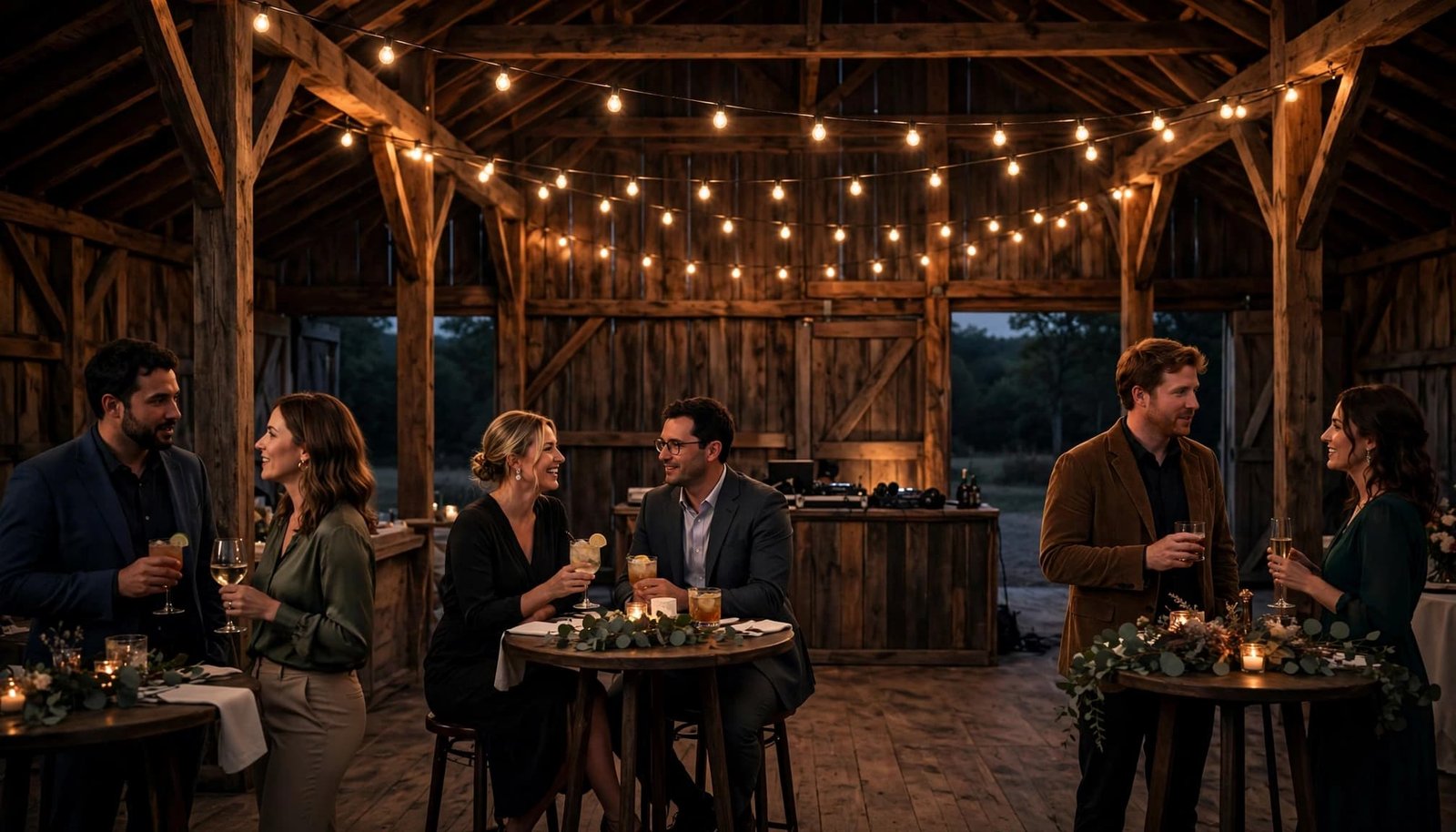
Decide What Participation Looks Like
Picture the evening after dinner. Will guests gather around a dessert display, head toward an open dance floor, or stay at their tables for conversation? A wedding DJ can prepare for any of these, but the music should support the plan.
A wedding dance doesn’t have to mean the couple performing for everyone. If dancing is optional, tell the MC not to treat an empty floor as a problem to solve. Familiar songs and a welcoming invitation can make the space available; repeated calls to dance may make guests feel watched.
Give the Room a Shared Moment
Formal dances often gather everyone’s attention. You can create that pause with a short welcome, a toast, cake cutting, or a group photo before the music grows livelier.
Keep the moment brief and coordinate its cue with the photographer and caterer. When everyone knows what’s next, the transition feels natural rather than staged. A clear announcement can do more for reception flow than adding another activity to the schedule.
Map Wedding Reception Music to the Timeline
Think in music waves, with enough flexibility for a delayed meal or a longer toast. The goal is a consistent atmosphere that changes with the room.
This sample plan uses guest activity instead of fixed times:
| Reception moment | Music direction | Cue to coordinate |
|---|---|---|
| Guest arrival | Welcoming, familiar selections at conversation volume | Confirm when guests enter the space |
| Cocktail hour | Relaxed soul, acoustic favorites, jazz, or music personal to you | Allow for photos or a delayed room opening |
| Dinner | Warm, steady songs that sit beneath conversation | Lower music for welcomes and toasts |
| After dinner | Brighter tracks and a brief invitation to mingle or dance | Check with catering before changing the energy |
| Final stretch | Guest favorites, singalongs, or last dance songs for a calmer closing set | Agree on the closing track and venue end time, even if there’s no formal last dance |
The biggest shift is usually after dinner. Build toward it with a few brighter upbeat wedding reception songs instead of jumping from quiet meal music to the loudest party track. If conversation remains the center of the celebration, the final stretch can stay upbeat without becoming a full dance set.
Give your DJ, MC, planner, caterer, and photographer the same order of events. The cue sheet should identify who announces each moment, which microphone is needed, and whether music should stop, fade, or continue underneath. This matters even more when you’re replacing formal dances with a toast or another shared moment; nobody should have to guess when it begins.
Choose Songs Across Generations Without Losing Your Style
For a mixed-age crowd, build a varied song mix instead of playing one long block of oldies followed by one long block of current hits. Short runs of upbeat wedding reception songs give guests time to enjoy a style, while occasional changes keep the evening welcoming.
Use Familiar Tracks as Bridges
Earth, Wind & Fire’s “September” and Whitney Houston’s “I Wanna Dance With Somebody” offer recognizable openings for guests who want to move. These familiar wedding songs can lead into dance songs that suit your taste. “Uptown Funk” by Mark Ronson featuring Bruno Mars or Outkast’s “Hey Ya!” may fit a later lift in energy, depending on your crowd. Bring in party songs or pop hits when they feel right for your celebration.
These are options, not requirements. If your families share a love of country, Latin music, Motown, or a particular cultural tradition, give those selections real space in the plan. Tell your DJ which artists matter to you and which guests are likely to know them. A personal favorite can be a better choice than a familiar wedding song that doesn’t sound like your celebration.
Sort Requests Before the Wedding
Give your music provider three groups: songs you must hear, songs you’d enjoy if they fit, and songs or artists you don’t want played. Add the exact recording when a version matters, and explain whether guest requests are welcome or should be checked against your preferences. Let your DJ know whether line dances suit your guests.
For a family-friendly reception, go beyond asking for clean edits. A radio edit can remove a word while leaving a theme you don’t want at your wedding. Reviewing important tracks in advance gives your DJ clearer direction without locking the entire night into a rigid song order.
Open the Floor Without a First Dance
You don’t have to replace a first dance with another performance or take wedding dance lessons; no routine is needed. A wedding dance can stay informal or optional. A short invitation after dinner makes dancing available to everyone at once, while guests who’d rather talk can stay comfortable.
Make Joining Easy
Ask the MC to invite guests onto the floor once the meal and planned toasts are complete. Choose familiar, upbeat wedding reception songs for the first tracks, or start with a wedding reception party song if one fits your crowd. If members of the wedding party want to join early, they can help the floor feel welcoming without putting the couple on display.
Line dances can work when guests already enjoy them. “Cupid Shuffle” and “Cha Cha Slide” give participants clear steps, but you don’t need either song if that style feels out of place. A brief invitation is enough; let the guests decide whether to join.
Plan for More Than One Kind of Energy
Watch what happens after the first few songs, and let the room guide the dance floor music. If guests are dancing, the DJ can follow with short runs of compatible dance music and raise the energy gradually. If they’re singing along from their tables, that counts as engagement too.
Save high-energy late-night songs for a crowd that’s ready for them. Choose a closing song that fits the ending you want: a shared singalong, an upbeat send-off, or a quieter favorite. It can be one of your last dance songs without being presented as a formal last dance. Tell the DJ if the song should play in full and whether the MC should announce it. That gives the night a clear finish without calling it a last dance.
Plan Sound for the Room, Not Only the Playlist
Good song choices can still feel uncomfortable if one table is close to a speaker and another can’t hear a toast. Ask about the layout before finalizing the music plan.
Check Coverage and Conversation Areas
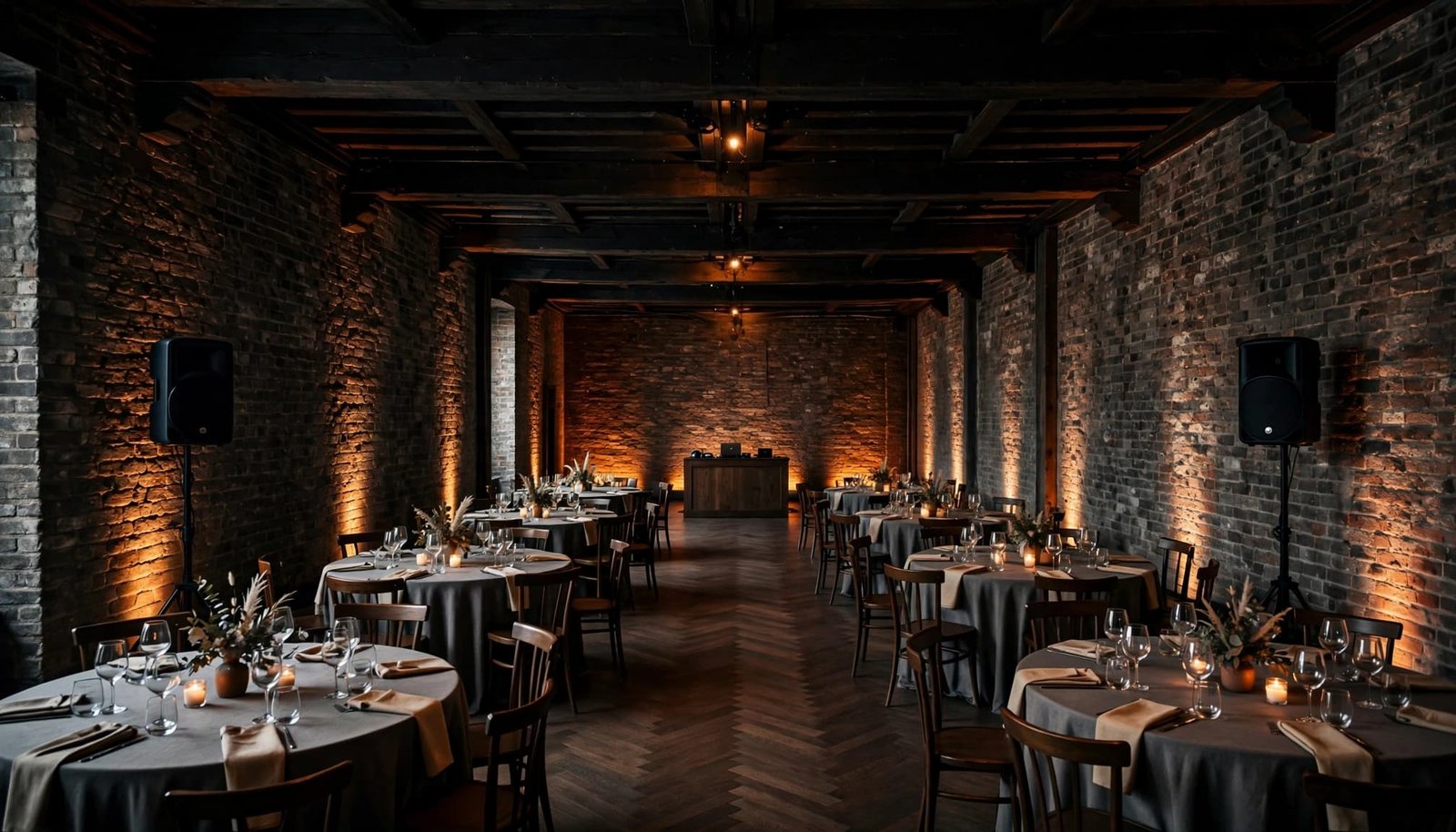
Walk through the venue with your DJ or discuss a room diagram. Identify the head table, lounge areas, doorways, and any spaces where guests will gather. In a barn or a room with hard surfaces, ask how the DJ plans to check sound during setup and adjust it as the room fills.
Music should sit beneath dinner conversation and drop further for speeches. Later, guests near the speakers still need a comfortable place to step away. NIOSH guidance on noise exposure recommends precautions at 85 dBA or higher and sets an 85 dBA eight-hour recommended exposure limit. That isn’t a wedding-specific volume setting; it’s a reason to take prolonged loud sound seriously.
Confirm Every Space That Needs Audio
A ceremony lawn, cocktail patio, and indoor reception room may have different microphone and music needs. Ask which spaces the DJ’s service covers and how guests will hear announcements when they aren’t all in one room.
Discuss setup access, power, weather options for outdoor areas, and cable routes with the venue. If a toast moves to another location, decide who moves the microphone and who gives the cue. These small decisions protect the relaxed atmosphere you’ve planned.
Put Music and MC Expectations in Writing
A music playlist tells the DJ what you like. A planning conversation helps your wedding playlist express your preferences without locking you into a fixed song order. It also clarifies how you want the reception to feel and what the DJ will handle when plans change.
Agree on Announcements and Flexibility
Specify whether you want a grand entrance, a simple welcome, or no introduction at all. List the names and order for toasts, cake cutting, and any other moments guests should notice. If you prefer a low-key MC style, say so; polished hosting doesn’t require constant microphone chatter.
Ask who will coordinate a delayed dinner, who can approve a schedule change, and how guest requests will be handled. DJ Steve Neff Entertainment LLC’s wedding ceremony and reception services include music planning, MC support, and coordination with the venue and other vendors. Couples can use those same responsibilities as practical questions when comparing wedding DJs.
Check the Service Details
Before booking, confirm in writing the event hours, setup window, spaces receiving sound, microphones, lighting choices, and any terms for additional time or travel. Ask about the playback and backup plan, including how your exact song versions will be available on the day. The wedding DJ planning tips offer further help when you’re preparing those questions.
If music licensing comes up, ask the venue and entertainment provider what applies to your event rather than assuming either party handles every requirement. ASCAP’s music licensing FAQs explain its role in licensing public performances, but they don’t determine responsibilities for your particular wedding.
Key Takeaways
- Give arrival, dinner, announcements, and the evening’s final stretch different music roles.
- Share must-plays, optional favorites, do-not-plays, and exact versions for important moments.
- Make dancing an invitation, with conversation and singing along equally welcome.
- Confirm sound coverage, MC duties, and timing with the people running the event.
A reception without formal dances still benefits from a clear plan. Flexibility works best when everyone knows which moments matter most.
Frequently Asked Questions
Can We Have Dancing Without a First Dance?
Yes. Your MC can invite everyone to dance after dinner or another shared moment. Start with a song guests recognize, then let the DJ respond to the room. There’s no need to ask the couple to open the floor alone.
What If Our Guests Don’t Dance?
Plan music for the celebration you’re hosting. Choose comfortable volume, songs guests enjoy hearing, and clear cues for toasts or dessert. An open dance floor can remain available, but guests don’t need line dances for the night to feel successful.
Should We Take Wedding Dance Lessons?
Only if you’d enjoy them. Wedding dance lessons can help couples who want to dance feel more comfortable, but you don’t need to prepare a routine for a reception without formal dances. If a dance feels important later, it can be informal and entirely on your terms.
How Many Songs Should We Give the DJ?
Give clear priorities rather than a minute-by-minute playlist. A focused must-play list, optional favorites, do-not-plays, and genre preferences leave room to adjust when dinner runs late or guests respond to an unexpected song.
Make the Evening Sound Like You
Skipping formal dances gives you room to shape a celebration around your guests, your music, and the moments you want to share. Clear cues and thoughtful pacing keep that freedom from turning into uncertainty.
Once the songs, sound needs, and announcements are agreed upon, you can spend the reception enjoying it.