A packed dance floor depends on more than a great playlist. Your DJ may arrive early, manage ceremony audio, cover the reception, prepare equipment, and handle setup and teardown.
That is why wedding DJ meal requirements deserve a clear answer while you are planning the day, not when dinner plates are already leaving the kitchen. Providing food is not a universal legal rule, but it is a common professional expectation and may be written into the signed service agreement.
Some couples or venues call the main reception meal a “wedding breakfast.” This term does not necessarily mean breakfast food.
A scheduled break gives your entertainment team time to eat and helps maintain energy levels throughout the event. Start with the contract, then build the dinner plan around your wedding reception timeline.
Key Takeaways
- Review the DJ’s contract first, since meal requirements, staffing, and break expectations vary by agreement.
- Count the DJ and any working assistants as vendor meals, separate from the guest RSVP total and seating chart.
- Schedule the DJ’s meal during dinner or the wedding breakfast, away from toasts, dances, cake cutting, and other formal moments.
- Confirm allergies, dietary restrictions, meal type, timing, and location with the DJ, caterer, planner, and venue before the final catering deadline.
- Provide a nearby place to eat so the DJ can take a short break while remaining close enough to respond to schedule changes.
Wedding DJ Meal Requirements: What Is Expected?
No single on-site hour count automatically creates a meal obligation. A DJ’s contract, not general etiquette, sets the expectation. The wedding contract should reflect those written terms.
Many professional wedding agreements remove the guesswork with a vendor meal clause. The Knot’s vendor-meal overview notes that meal requirements are common in wedding agreements, especially for vendors who work through dinner.
Some agreements request a hot meal for each working team member. Others require a meal only when the DJ is scheduled for a certain number of hours. A few may state that the DJ will bring food but still needs a scheduled break. Read the wording early, including meal timing, dietary needs, and assistant staff. Confirm what the clause includes, including whether the hot meal covers everyone working.
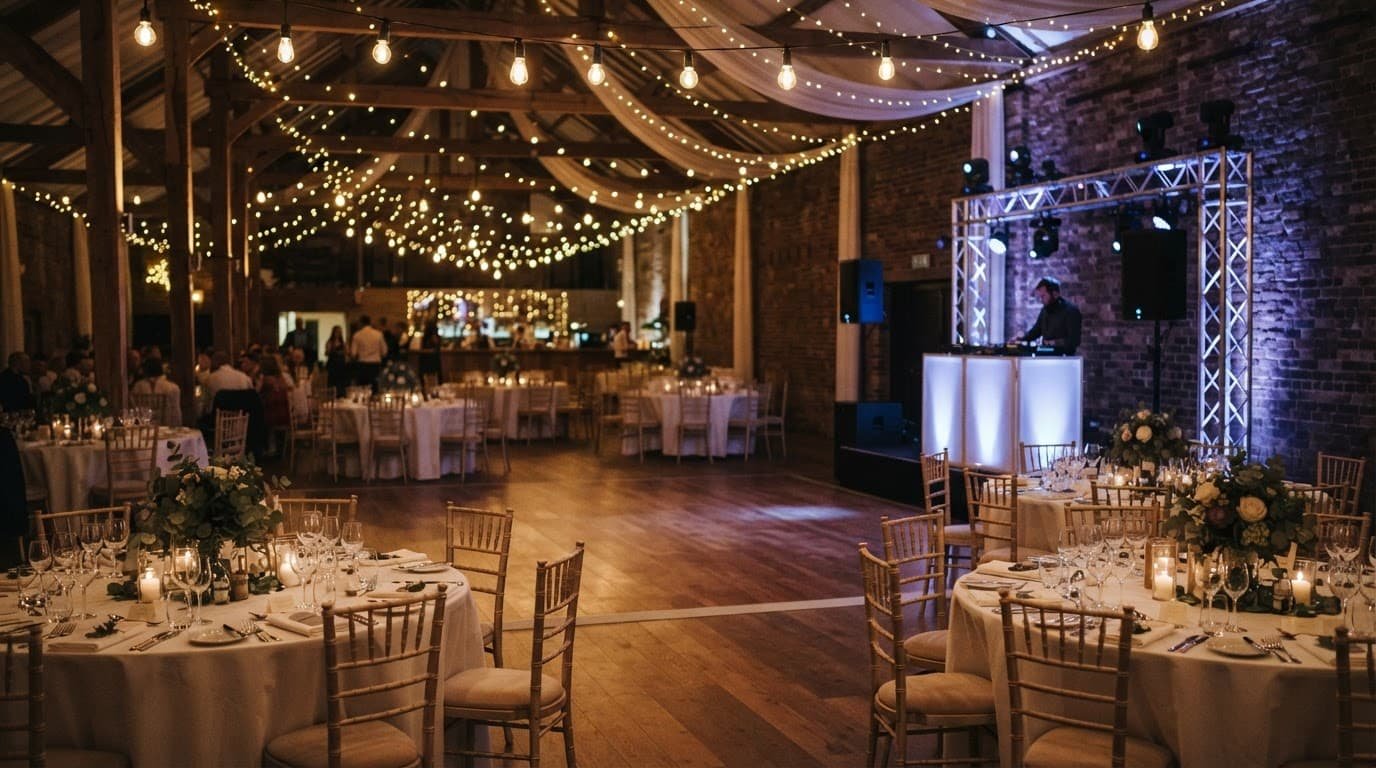
A DJ hired for ceremony audio and a full reception can be on-site for much of the day. Setup, sound checks, guest arrival, dinner, dancing, and teardown all require attention. A short, reception-only booking differs from a full-service wedding day with multiple locations and extended coverage.
For planning purposes, a booking that runs more than six hours or overlaps dinner is a strong reason to discuss food. The same question applies when it overlaps a wedding breakfast, but neither situation creates a legal requirement on its own. This helps you avoid an awkward day-of question when the DJ is already focused on your event.
If your DJ says they will bring snacks, don’t remove the break from the plan. A professional can work around a busy schedule, but nobody should have to choose between eating and being ready for an unexpected toast, schedule change, or packed dance floor.
Count the DJ Separately From Wedding Guests
Your final catering number has two jobs. Your guest count covers RSVP meals and table service for wedding guests, while your vendor meal count covers people working during the celebration.
Give the caterer your vendor meal count for the DJ, DJ assistant, wedding photographer, videographer, planner, photo booth attendant, and other wedding vendors working through the meal. Ask the catering team to show this number as a separate line item on the final invoice.
Meals for working professionals are often less expensive than guest meals, but pricing varies by provider. Ask the caterer about a vendor meal fee and whether it covers a simplified hot meal, buffet plate, or the same menu guests receive. Confirm the menu and portion before finalizing the food and beverage total, including whether the selected option is a hot meal.
Junebug’s vendor-meal guide recommends putting meal arrangements in writing. A quick email is more reliable than a rushed conversation during venue walkthroughs.
Put the DJ in the catering total, but keep their meal separate from your guest RSVP count and seating chart.
This distinction matters when you are tracking guarantees. Working professionals belong in the total meals the catering team prepares, whether the meal is dinner or a wedding breakfast, but not in the RSVP total. They do not need a place card at a guest table unless that setup genuinely works for your event and your DJ.
Time the DJ’s Meal Around Reception Events
Dinner service is usually the best window for a DJ meal, but only after moments that need immediate attention. The same timing works during a wedding breakfast when that is the meal being served. In many receptions, the DJ can take a short break for a hot meal after the grand entrance, welcome, and dinner announcement. The break should end before toasts, parent dances, cake cutting, or any other formal cue on the timeline.
A professional DJ doesn’t need to disappear for a long break. They need enough time to eat, check the room, confirm upcoming cues, and return to the booth ready to keep the evening moving. If the DJ has an assistant, one person can keep reception music running and handle guest requests while the other eats.
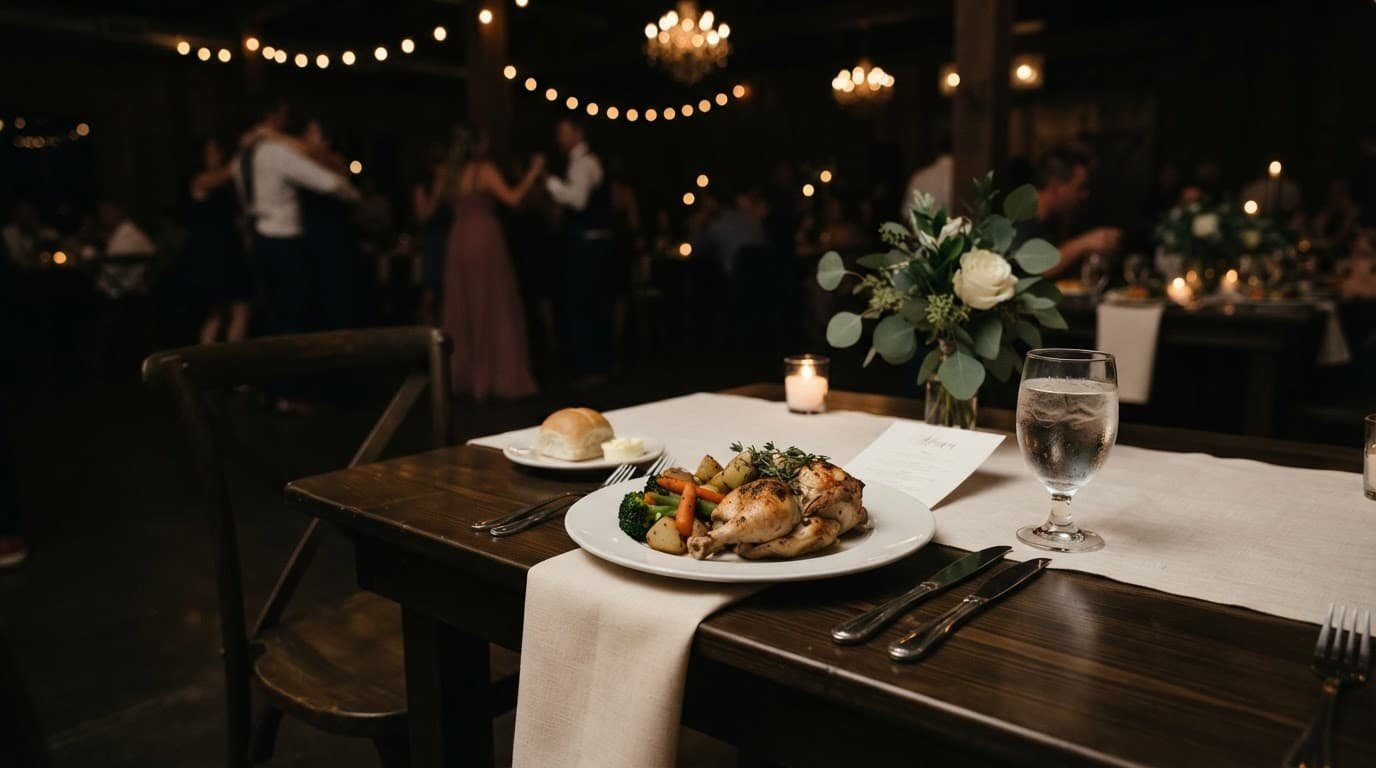
Where the DJ eats also matters. A side table near the DJ booth or a nearby vendor table can serve as a practical vendor meal location. A staff dining area can work too, but a far-away hallway, basement room, or separate building does not. The DJ needs to hear the room, see when a speaker is ready, and respond if the schedule changes.
The photographer and videographer also benefit from eating during the guest meal. They should not be eating during speeches or special dances, and neither should the DJ. Coordinate these meal windows with the wedding coordinator and caterer so key vendors are not away at the same time.
Clear timing protects the reception flow. The Rockleigh’s contract guidance also points out that meal terms often appear in written agreements. That makes early coordination the practical choice.
Handle Dietary Requirements Before the Final Catering Deadline
Food allergies and dietary restrictions need more than a quick question on the wedding morning. Ask your DJ about meal needs when you confirm the contract, then send the details to the catering team before the final guarantee date.
A helpful question is: “Do you have any food allergies, dietary requirements, or meal preferences we should share with our catering team?” This gives the DJ room to mention a severe allergy, vegetarian meal, gluten-free need, or another concern without guessing what is available.
If an allergy involves cross-contact concerns, ask the food service team what hot meal they can safely provide. Don’t promise a safe option before they confirm it. You also don’t need personal medical details beyond what is necessary to plan the meal.
A vendor meal that a DJ cannot eat is not a complete meal arrangement. If the wedding venue cannot accommodate the restriction, confirm that the DJ may bring a meal and has a scheduled place to eat. Check the venue’s policy before asking staff to refrigerate or reheat outside food.
A Practical Vendor Meal Planning Checklist
Good meal coordination is a small part of wedding planning, but it keeps important people prepared and focused. Use this checklist before the catering team’s final deadline:
- Review every vendor agreement for meal clauses, staffing details, and break requirements.
- Ask the DJ how many people will be working, including assistants and setup crew who will remain through dinner.
- Give the catering team the number of meals required, plus each confirmed food restriction.
- Build meal timing into the reception timeline, preferably during dinner or a wedding breakfast, and away from formal events.
- Confirm what each working team member will receive, including a hot meal. Choose a nearby spot with quick access to the booth and reception room.
- Reconfirm the plan with the DJ, catering team, planner, and venue coordinator once the final timeline is approved, so all wedding vendors have the same information.
A short email keeps everyone on the same page without adding another complicated task to your week.
“Hi [DJ name], dinner is scheduled for 6:30 p.m. We have reserved [number] vendor meals for your team. Please confirm any food restrictions and the best time for a short meal break before toasts begin.”
Your catering company also needs clear instructions.
“Hello [Catering Contact], please add [number] vendor meals to our final food total, separate from the guest count. Our DJ should be served during dinner service and needs to remain close to the reception room.”
If the contract and the catering policy do not match, settle the detail before final payment. General wedding etiquette is helpful, but the written agreement between you and your DJ sets the expectation for your event.
Frequently Asked Questions
Do I have to provide a meal for my wedding DJ?
There is no universal legal requirement, but a meal may be required by the DJ’s contract. Providing food is also a common professional expectation when the DJ works through dinner or has a long booking.
Should the DJ be included in the guest meal count?
Include the DJ and any working assistants in the caterer’s total meal count, but keep vendor meals separate from the guest RSVP total. Vendor meals may have different pricing or menu options than guest meals.
When should the wedding DJ take a meal break?
Dinner service or the wedding breakfast is usually the best time, after early reception events and before toasts, dances, or cake cutting. The DJ should have enough time to eat, check upcoming cues, and return to the booth without disrupting the reception.
Where should the DJ eat during the reception?
Choose a nearby vendor table, side table, or staff dining area close to the reception room and DJ booth. Avoid placing the DJ in a distant room where they cannot hear the event or respond quickly to changes.
How should I handle the DJ’s dietary restrictions?
Ask about allergies and dietary requirements when confirming the contract, then share the details with the caterer before the final guarantee deadline. If the venue cannot provide a suitable meal, confirm whether the DJ may bring food and where it can be safely stored or reheated.
A Well-Fed DJ Supports a Smooth Reception
A planned meal break gives the DJ time to stay alert, focused, and ready throughout a long celebration.
Confirm the booking terms, include every working professional in the headcount, arrange a quiet break between key moments, and share food needs in advance. These details support a reliable, well-prepared DJ and help keep the wedding reception on track.