Your guests may hear the reception music before they see the room. As they arrive, the right soundtrack makes it easy to settle in, greet family, and feel ready to celebrate.
For New Hampshire receptions, wedding arrival music works best when it fits the setting and leaves room for conversation. A barn, lakeside venue, and downtown ballroom can each call for a different sound. Start with the moment your guests will experience, before choosing the songs.
What Wedding Arrival Music Needs to Do
Guest arrival is its own part of the wedding day. Some wedding guests will walk straight in from the ceremony. Others may arrive while you finish photos, find their table, or look for a familiar face. Music welcomes them and gives those first few minutes a warm, organized feel.
Keep the volume comfortable enough for greetings. Choose songs with a consistent mood, then let the energy rise as more guests gather. If the reception opens into cocktail hour, the same playlist can continue with a few brighter selections.
Save the biggest entrance song for your entrance. A track that works beautifully as entrance music when the couple is announced can feel premature while guests are still finding seats. Arrival music should welcome the room; the grand entrance can change its energy.
Wedding Arrival Music Ideas by Style
Classical music is a useful starting point: pick three words for the atmosphere you want, such as relaxed, elegant, and warm. Different classical music arrangements can shape that mood, so compare individual recordings.
Classical Choices With Warmth and Movement
Pachelbel Canon in D is familiar for a reason: its repeating pattern sits comfortably beneath conversation. It can work for a harpist or strings during guest arrival, provided you like the arrangement and the musician has it in their repertoire.
For more variety, try Bach’s “Jesu Joy of Man’s Desiring,” Debussy’s “Clair de lune,” or a gentle performance of Bach’s “Air on the G String.” Handel’s “Arrival of the Queen of Sheba” and Clarke’s “Trumpet Voluntary” have a brighter, more ceremonial feel. Consider those for a transition rather than the entire arrival period.
Modern Songs That Still Leave Room to Talk
A piano version of Adele’s “Make You Feel My Love” can bring a familiar melody into an elegant room. Christina Perri’s “A Thousand Years” and Taylor Swift’s “Lover” are romantic pieces to consider in an instrumental version that suits your style.
Vocals can work, too. Norah Jones’s “Come Away With Me” brings a relaxed feel, while Bill Withers’s “Lovely Day” adds warmth as cocktail hour begins. Keep your favorite recording in mind when sharing requests with a DJ; an unfamiliar cover may have a different tempo or mood.
Match the Music to Your New Hampshire Venue
The room affects how guests hear every selection. Hard surfaces can make a lively track feel louder than expected, while an outdoor space may need careful speaker placement so music reaches guests without overwhelming one area.
Barns, Inns, and Ballrooms
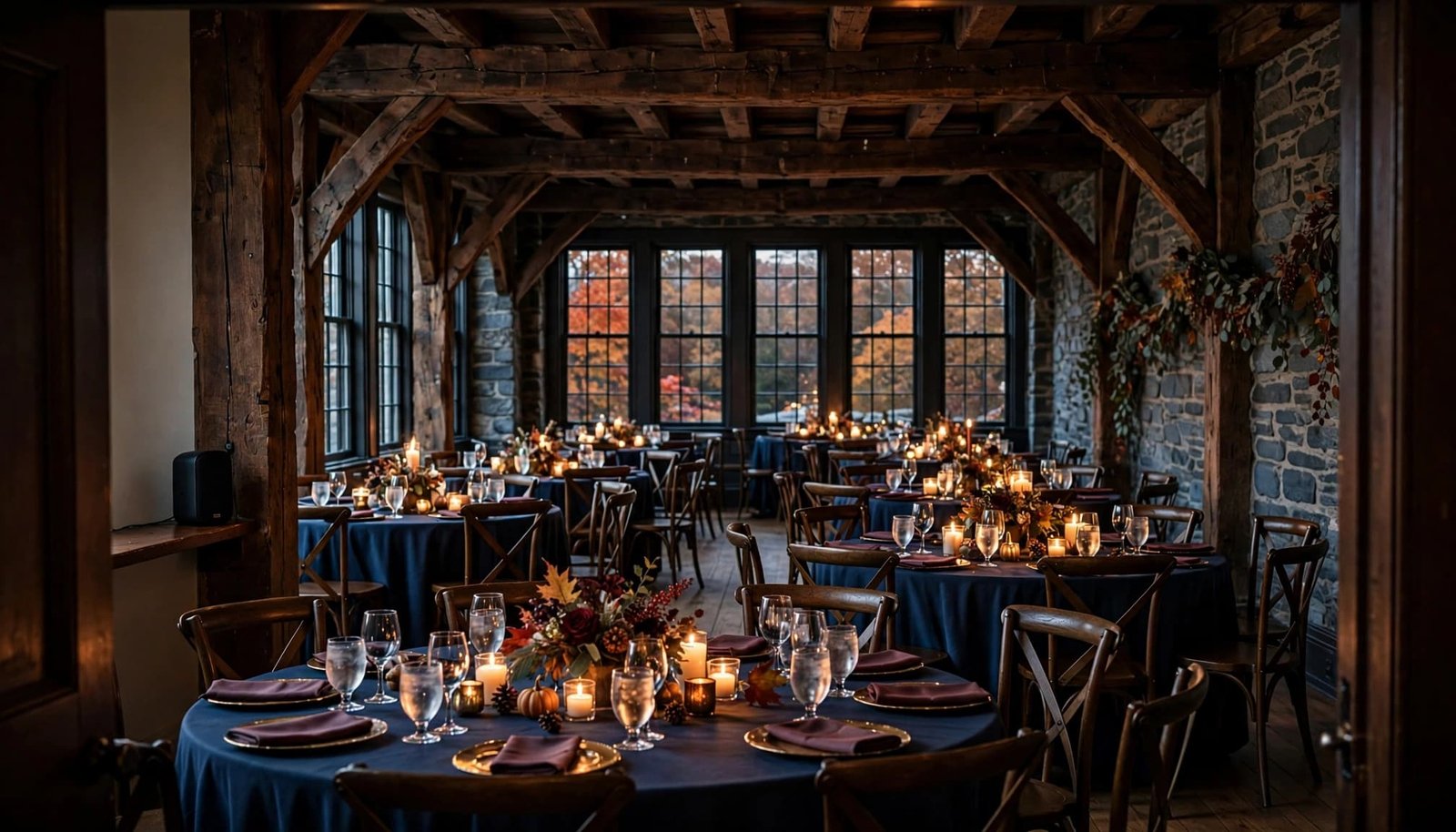
A timber-beamed barn might suit acoustic guitar, soft folk, or familiar songs played on piano. An inn reception can carry jazz, soul, or a small string ensemble. In a ballroom, a polished mix of classical pieces and mellow contemporary songs can fill the space without competing with conversation.
These are starting points, not rules. A barn celebration with a formal dress code may call for strings; a ballroom full of soul fans may feel more personal with Stevie Wonder in the mix.
Lakeside and Outdoor Receptions
For a lakeside or garden arrival, choose music that feels comfortable as people move between spaces. Gentle acoustic tracks and light jazz can work well, but the sound plan matters more than a scenic playlist title.
New Hampshire’s seasons also shape the experience. The VisitNH foliage tracker notes that peak color typically begins in the Great North Woods in late September and moves south through October. If guests will gather outdoors for a fall wedding, plan for weather and power as carefully as you plan the music.
Should You Choose Live Musicians or Recorded Music?
Both can create a welcoming arrival. Your venue layout, budget, and timing will help decide which is the better fit.
When Live Music Fits the Space
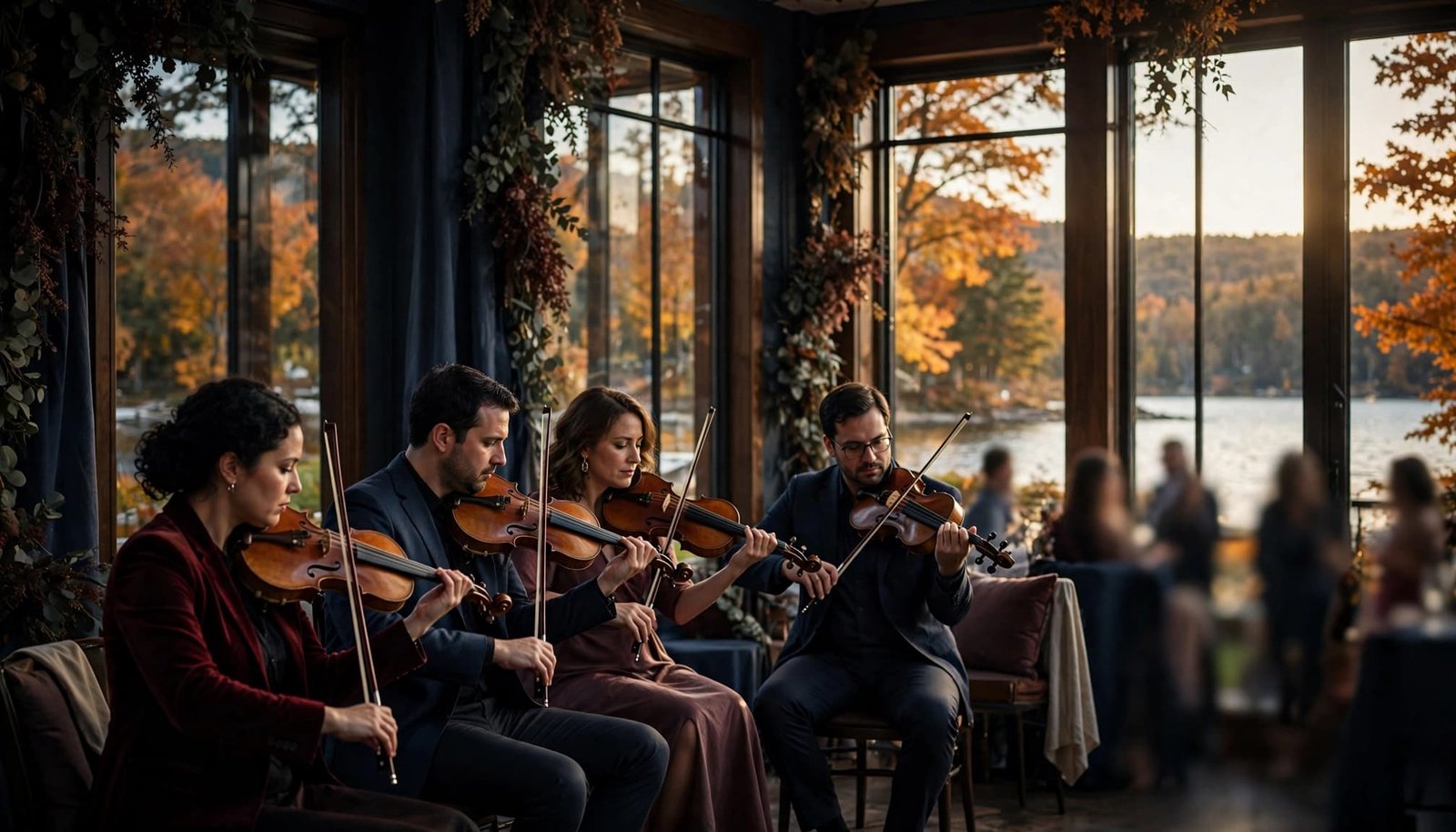
A pianist, harpist, or string quartet can bring a personal touch to a church, inn, or formal reception room. Ask musicians for recordings of the arrangements you want to hear. If a selection isn’t in their repertoire, ask whether they can work from sheet music. “Canon in D” on solo harp, for example, won’t sound identical to a string performance.
Also ask about setup space, power if needed, breaks, and when they can begin playing. If guests are expected to arrive over a long window, plan for music during any pause in the live set.
When a DJ Is the Better Fit
Recorded music gives you more room to move between classical, jazz, country, pop, and family favorites. A DJ can also adjust volume as the room fills and coordinate the change into cocktail hour or introductions.
A hybrid approach works well when you want live music for the first welcome and a DJ for the rest of the reception. Confirm who handles the handoff, where each team sets up, and whether guests will move to another space. Those details prevent an awkward silence between sets.
Build a Playlist Beyond Familiar Covers
Search results can make every string playlist sound alike. Instead of searching broadly for wedding music, look for the instrument, artist, and mood you want. “Debussy solo piano” and “acoustic soul” point in different directions than a general wedding playlist search.
Use a Spotify playlist to collect candidates while you plan, and explore Spotify’s playlist tools for help organizing them. Before finalizing choices, listen to each shortlisted recording in your Spotify playlist. Check its opening, ending, vocals, and overall volume. A song can have a lovely chorus but begin with a long quiet passage that disappears in a busy room.
For a practical brief, sort your choices into must-plays, optional favorites, and do-not-plays. Include the exact artist or recording where it matters. Your DJ or musicians can use that direction to build a set with variety, rather than repeat the same tempo and sound for the whole arrival window.
A favorite song earns its place during guest arrival when it suits the room at that moment, not simply because it belongs somewhere on the wedding playlist.
Keep Ceremony Music and Reception Arrival Music Separate
The wedding ceremony has cues and guidelines that don’t usually apply to reception arrival selections. Processional music accompanies the entrance, though couples can choose something other than a traditional bridal march. Recessional music marks the post-ceremony celebration and serves as the couple’s exit music. Reception arrival begins a different experience for guests.
Check Religious Music Guidelines Early
If you’re marrying in a Catholic church, ask the parish music director which church music is permitted during the ceremony. Check whether wedding hymns and music for the signing of the register are allowed. Catholic Wedding Help’s music guidance explains that there’s no universal list of approved songs; choices need to follow the church’s guidance. Confirm any proposed hymn, organ solo, or classical piece with your parish.
You can still bring personal secular favorites into the reception arrival playlist. That gives a song you love a clear place in the day without assuming it belongs in a religious service.
Give Each Transition Its Own Cue
If your ceremony includes a signing of the register or another interlude, choose music for that moment separately. For the recessional, a joyful piece such as Handel’s “Arrival of the Queen of Sheba” may fit when the venue approves it.
Then decide what guests will hear when they enter the reception. A gentle start can lead into livelier cocktail music, followed by a distinct track for the grand entrance. Our wedding reception song ideas can help with the later parts of the evening; arrival calls for a lighter touch.
Plan Sound, Timing, and the Handoff
A strong playlist still needs a clear plan for where and when it plays. Ask the venue which space opens first, when guests can enter, and whether cocktails and seating happen in separate areas. Share those details with the DJ, wedding planner, and live musicians.
Before the wedding, confirm these details:
- Set a start time that covers early arrivals, and allow extra music if photos or transportation run late.
- Identify who signals the move into cocktail hour, seating, and the couple’s introduction. Include the signing of the register if it’s part of the ceremony timeline.
- Check speaker placement, available power, and a weather backup for outdoor spaces.
- Mark any announcement that needs a microphone and a temporary drop in music volume.
Ask the venue about sound policies and how music permissions are handled. ASCAP’s music licensing FAQs explain how public-performance licenses relate to different music catalogs; your venue is the right place to confirm its arrangements.
DJ Steve Neff Entertainment LLC offers New Hampshire wedding DJ and MC services that include music planning, sound support, announcements, and timeline coordination. Clear cues help every provider work together, so guests hear a comfortable welcome instead of a rushed setup.
Key Takeaways
- Choose arrival songs for the guests entering the room, and keep conversation comfortable.
- Compare exact recordings and arrangements before adding classical or contemporary favorites.
- Match the music and sound setup to your venue, including any outdoor backup.
- Keep ceremony selections, guest arrival, and the grand entrance in separate parts of your plan.
- Give your DJ or musicians a timeline, clear preferences, and a contact for changes.
Frequently Asked Questions
Can a harpist play “Canon in D” as guests arrive?
Yes, if the harpist offers an arrangement you like and the venue can accommodate the performance. Hear a sample before booking; solo harp has a different sound than the familiar string version.
What can we choose instead of a traditional bridal march?
For a processional, consider Bach’s “Jesu, Joy of Man’s Desiring,” a suitable Debussy piece, or an approved piano or string arrangement of a favorite song. Choose music for the signing of the register as a separate ceremony cue, and confirm both choices with your officiant or parish before finalizing them.
How long should the arrival playlist be?
Cover the full guest-arrival period, then add a buffer for delays. The right length depends on your invitation time, venue access, and whether the music continues into cocktail hour.
Should arrival music have lyrics?
It can. Clear vocals suit some receptions, while piano, harp, and strings are useful when guests are greeting one another. Listen for lyrics and themes that fit the atmosphere and any family-friendly preferences you’ve shared.
A Welcome That Feels Like Your Wedding
The first song your guests hear can make the reception feel ready before the celebration officially begins. Choose music that suits the room, plays at a comfortable level, and leads naturally into the next moment.
With a clear playlist and a coordinated timeline, wedding arrival music becomes a warm welcome rather than one more decision left to the wedding day.