The first song starts, your friends head toward the dance floor, and someone asks you to film a quick clip. Can you take it? A clear phone rule answers that question before you have to guess.
A school dance phone policy should tell you when your phone can come out, where photos are allowed, and how to reach an adult when something matters. The school sets the rules; students need a version they can remember while the room is busy and the music is loud.
Why Clear Phone Rules Make the Dance Better
Phones help students coordinate rides, contact family, and capture memories. They can also distract from the event or record classmates who don’t want to appear online. A useful rule makes room for legitimate needs without leaving privacy decisions to the person holding the camera.
Clarity matters most when students receive different messages. A ticket page might say “phones away,” while a photo backdrop invites pictures. Chaperones then have to settle questions at the door, where a calm answer can feel like a last-minute restriction.
A workable policy names the place, the time, and the person who can approve an exception. Students know what to expect, and staff can apply the same rule throughout the dance. The goal is a welcoming event where everyone can participate with confidence.
What a School Dance Phone Policy Could Say
Every school should approve its own rules under district procedures. The following example shows how to keep the student-facing version short:
Keep phones put away during the dance except in school-approved photo areas or with a chaperone’s permission. Don’t livestream or record in restrooms, private support areas, or other restricted spaces. Ask a chaperone if you need to contact home or have an urgent concern.
That wording is a starting point, not a rule that applies to every school. Organizers still need to decide where phones go, how families make contact, and what staff should do when a student needs an exception.
Spell Out “Put Away”
Does “put away” mean silenced in a pocket or bag? Does the school provide supervised storage? Could a student check a phone in a designated area? The final notice should say which option applies.
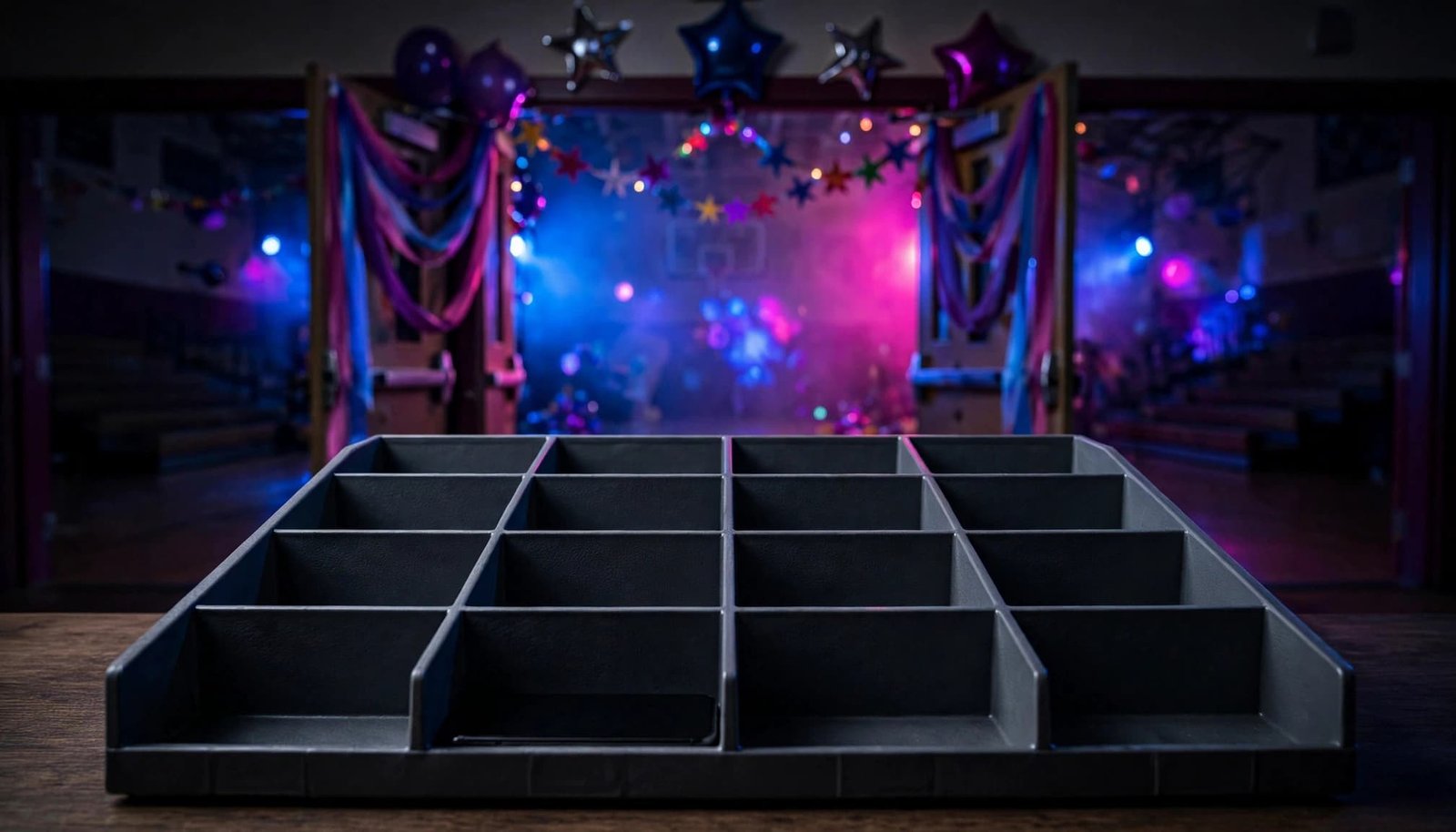
If organizers choose collection, they need a clear handoff and return process. Students should know who holds the devices and when they can retrieve them. A phone in a student’s bag calls for a different instruction: keep it silent, leave it there, and ask before taking it out.
Name the Allowed Moments
A school might permit arrival photos at a backdrop while limiting phones on the dance floor. It might allow a quick message home in a supervised area. Whatever the choice, students should know whether an exception requires staff permission.
Avoid making “emergencies only” the entire policy. Students may need help with pickup changes, accessibility, or a family concern that deserves attention before it becomes an emergency.
Before You Leave Home, Check the Details
Students shouldn’t have to interpret a long handbook at the gym entrance. Schools can share the dance-specific rules through the ticket notice, family message, and check-in instructions. A short reminder at the door helps when the event includes guests who attend a different school.
Plan Your Ride Without Relying on a Text
Agree on a pickup place and approximate time with your family before the dance. Check whether the school has a separate rule for early departure, guest pickup, or re-entry. If plans change, tell a chaperone rather than leaving the event to look for your ride.
If your school limits phone access, make sure your family knows the school’s approved way to reach you during the event. That gives everyone a reliable contact path, even when your phone is silenced.
Know Who Can Help
Find out which adults are chaperones and where to approach one. If you need your phone for a health, accessibility, communication, or family reason, follow your school’s process for arranging that access. Staff should handle those needs respectfully and without asking students to explain private details to a crowd.
Organizers can use school dance and prom planning tips while working through entrance flow and other event logistics. The phone instructions should be settled before students arrive.
At the Dance, Keep the Rule Simple
A policy works best when students can follow it without stopping to negotiate every song. Put your phone where the school directs, enjoy the event, and use the approved area or a chaperone when you need help.
Use Designated Photo Areas
If the school allows personal pictures at an entrance backdrop or photo station, ask friends before photographing them. Keep the line moving and leave walkways open. Permission to take a photo in one area doesn’t mean filming is welcome throughout the building.
Follow any posted no-camera rules for restrooms, support spaces, or other restricted areas. If you’re unsure whether a moment can be recorded, check with a chaperone first.
Give Friends Room to Enjoy the Night
Some students want pictures; others would rather dance without a camera pointed at them. Respect a “please don’t film me” request the first time. A friend stepping out of a shot shouldn’t need to explain why.
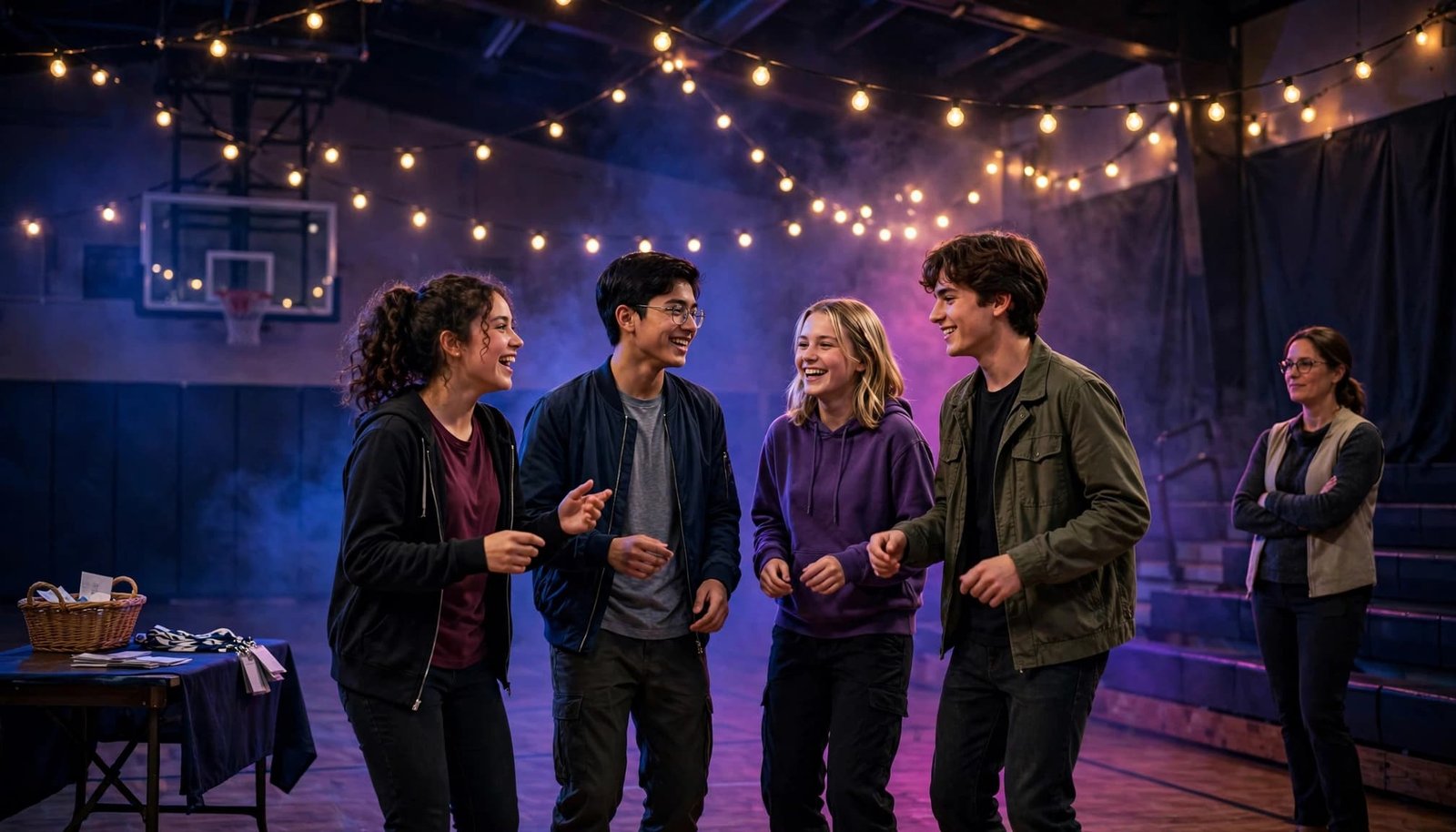
Putting the phone away also makes it easier to hear announcements and stay with your group. You can still make a memory without turning every song into a recording.
Treat Posting as a Separate Decision
Taking a photo and publishing it are different choices. One clip of a crowded dance floor can include students who never agreed to be shown on a public account. A school-approved photo spot doesn’t give anyone blanket permission to post every person in the frame.
Ask Before You Share
Check with the people visible in your picture before posting it. Don’t assume a group photo, a private account, or a disappearing story removes someone’s concern. If a classmate asks you not to share an image, respect the request.
Schools may have separate procedures for yearbook photos, official accounts, and professional event photography. Those permissions shouldn’t be confused with a student’s personal post.
Skip the Livestream
A livestream shows more than the person you’re trying to capture. Students in the background, staff conversations, and event announcements may all become part of a replay. Unless the school has expressly approved a livestream, leave that feature off.
If you see a post that worries you, tell a chaperone or the school’s designated contact. Staff can follow school procedures for reviewing the concern and requesting removal where appropriate.
Make Help Available Without a Phone in Hand
A phone rule should never leave a student unsure how to get help. Schools need a contact plan that works during loud music, busy check-in periods, and the final rush for pickup.
For Students: Go to an Adult
If your ride changes, you feel unwell, or someone is recording you against your wishes, speak to a chaperone. Don’t wait until the end of the dance because your phone is supposed to stay away. An adult can direct you to the school’s approved contact method.
When a situation is urgent, follow staff instructions immediately. Don’t rely on a group chat to report a safety concern inside the event.
For Organizers: Decide the Exception Process
Tell chaperones who may approve phone use and where a student can make a call. Give families a school contact route, and make sure staff know how to handle accessibility and health-related needs discreetly.
The school should also decide how staff address repeated rule violations. A calm reminder and a consistent referral process are more useful than different responses from every adult in the room.
Coordinate the Rule With the Event Team
Chaperones are responsible for applying school rules; a DJ shouldn’t decide whether a student’s phone use is permitted. Clear roles help everyone keep their attention on the dance.
For school dances, DJ Steve Neff Entertainment LLC provides clean music, professional sound, lighting, and event coordination. Its school dance DJ services include work with staff on timelines and announcements. The school can give the DJ approved wording for a short phone reminder, while a designated school contact handles policy questions.
Keep Announcements Brief
An announcement can point students to an approved photo area or remind them where to find a chaperone. It shouldn’t single out a student or invite the DJ to interpret an exception over the microphone.
If plans change during the dance, the DJ should receive the update through the designated school contact. That keeps routine event messages accurate and leaves safety decisions with school staff.
Check the Room Setup
Place a photo area away from check-in lines and exits. If phones are stored, locate the collection point where staff can supervise it without blocking entry. Chaperones also need clear sightlines to the dance floor.
These small layout decisions make the rule easier to follow. Students can find the right place for a picture or a question without interrupting the event.
Key Takeaways
- Check your school’s dance-specific phone instructions before you arrive, including where your phone belongs and when you may use it.
- Ask before photographing or posting another student, and follow the school’s restrictions on filming and livestreaming.
- Speak with a chaperone when you need to contact home, request an exception, or report a concern.
- Organizers should settle storage, photo areas, family contact, and staff responsibilities before the doors open.
Frequently Asked Questions
Can I bring my phone to a school dance?
That depends on your school’s event rules. Some schools may allow a silenced phone in a bag, while others may use a supervised storage process. Check the ticket information or ask an organizer before the dance.
Can I take pictures with my friends?
Follow the school’s approved times and locations, and ask your friends first. Keep restricted spaces camera-free. Taking a personal picture also doesn’t automatically give you permission to post everyone in it.
What if I need to call home?
Find a chaperone and use the contact process your school provides. Before the dance, families should know how to reach staff if students won’t have regular phone access.
Can the DJ tell me to put my phone away?
The DJ may make a school-approved reminder, but school staff handle individual rule questions and behavior concerns. If you’re unsure about an exception, ask a chaperone or the designated school contact.
A Clear Rule Leaves More Room for the Dance
When the first song starts, you should know what to do with your phone and where to go if you need it. Clear expectations protect privacy, support family contact, and help staff respond consistently.
For students, the rule is straightforward: follow your school’s directions, ask before you record or share, and talk to a chaperone when something changes.