Prom can feel polished on the dance floor and still be stressful behind the scenes. The right student support helps with both. Clear prom volunteer roles give students a meaningful part in planning and hosting the event, while faculty advisors keep responsibility for approvals and safety.
For a New Hampshire school committee, prom is one of its special events. The starting point isn’t a long list of jobs. It’s deciding which tasks students can own, who approves their work, and where adult supervision begins.
Key Takeaways
- Give students defined planning or event-night tasks, with an advisor who can answer questions and approve changes.
- Keep check-in decisions, chaperoning, emergencies, contracts, and student records with authorized adults.
- Confirm your district’s volunteer and background-check policies before recruiting adult helpers.
- Put assignments, deadlines, arrival times, and backup contacts in one shared plan.
Why Student Volunteers Belong on the Prom Team
Students know what their classmates are likely to enjoy, where instructions may be confusing, and which traditions matter to their school. Meaningful high school involvement starts when student input leads to a decision rather than another open-ended meeting. At Kennett High School, the Prom Committee helps plan senior prom and arrange its logistics, one New Hampshire example of students taking part in the work.
A student chair might collect updates and keep the meeting moving. Volunteer opportunities can include researching décor, gathering music suggestions, or reviewing the guest experience. The faculty advisor can then connect those ideas to the approved budget, school rules, and vendor commitments.
Ownership doesn’t mean final authority. Students should know which choices they can make within an approved plan and which need a school employee’s approval.
Planning Prom Volunteer Roles Before the Dance
The most useful prom volunteer roles start weeks before anyone arrives in formalwear. Assign each project a student lead, an adult contact, and a due date; a committee can then see what is finished and what still needs a decision.
Décor, Setup, and Event Details
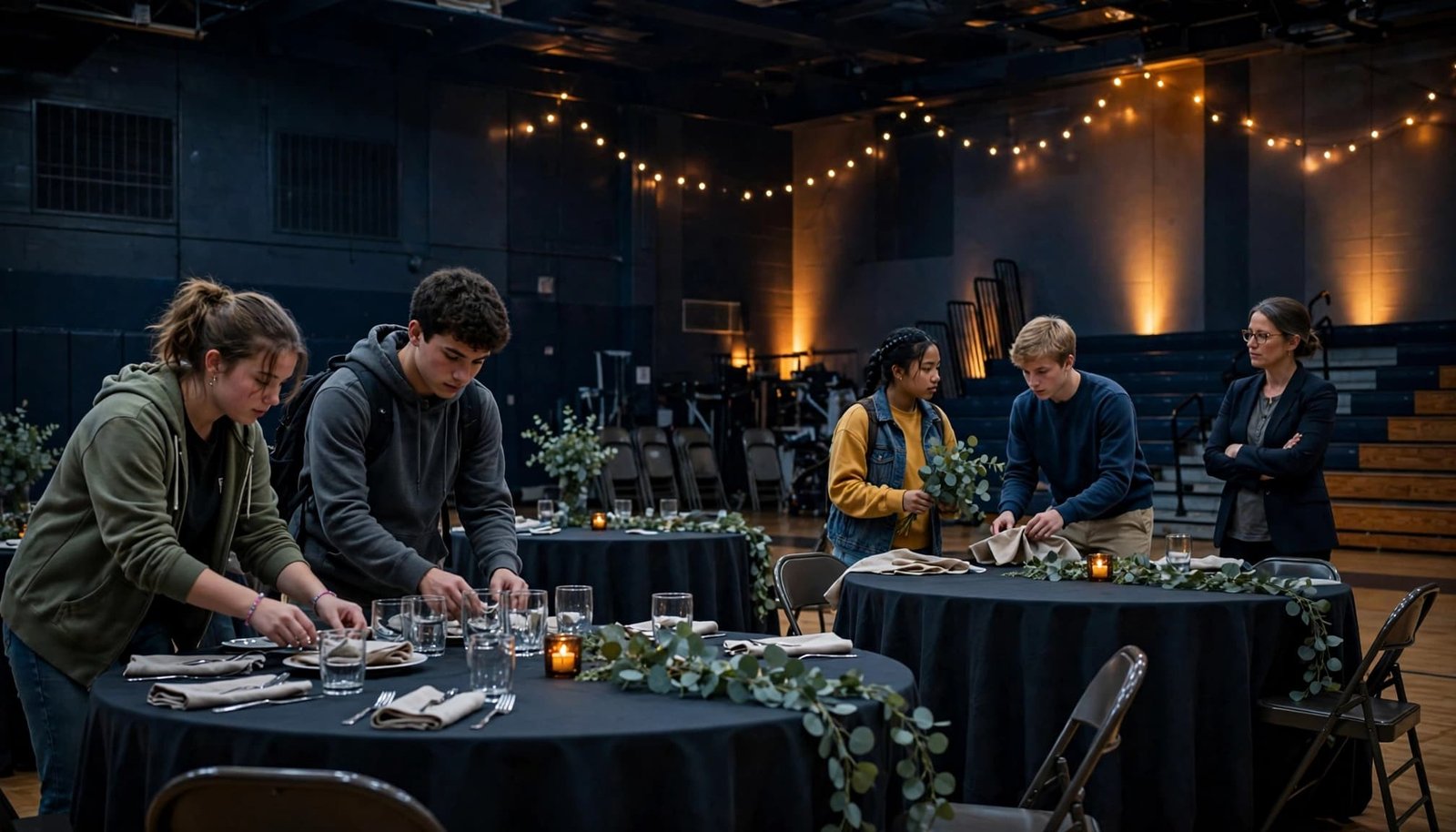
Students can compare approved decoration options, prepare table items, and help set up under staff direction. A venue or school employee should approve placement before anything blocks an exit, an accessible route, or a vendor’s work area. Students shouldn’t install electrical equipment or take responsibility for technical safety.
An entertainment contact can collect song requests and identify moments that need music or announcements. Share that information with the advisor before sending it to the DJ. This keeps student preferences central without leaving one volunteer to make a last-minute call on music standards.
Feedback and Guest Information
Student volunteers can help draft a short survey about music, food, seating, and activities. Invite input beyond the students who attend every dance; ask what would make arrival or participation easier, too. An advisor should review the questions and decide how responses will be collected.
Once details are approved, students can help share ticket deadlines, arrival instructions, and dress guidance. Leave individual guest eligibility and confidential requests to school staff. That distinction protects students’ privacy while giving the committee plenty of useful work.
Student Roles During Prom Night
A prom-night assignment should have a place, a start time, and an adult nearby. Students are there to welcome guests and support the plan, not to enforce rules or supervise their peers.
Welcoming and Directing Guests
Student welcome greeters can point classmates toward the correct entrance, ticket table, coat area, or accessible check-in route. Ballroom attendants can help guests find their seats, but they assist with wayfinding rather than supervise the room. Volunteers can also tell an advisor when a line is growing or someone needs assistance. At the check-in table, approved staff should handle guest-list records, identification questions, and exceptions.
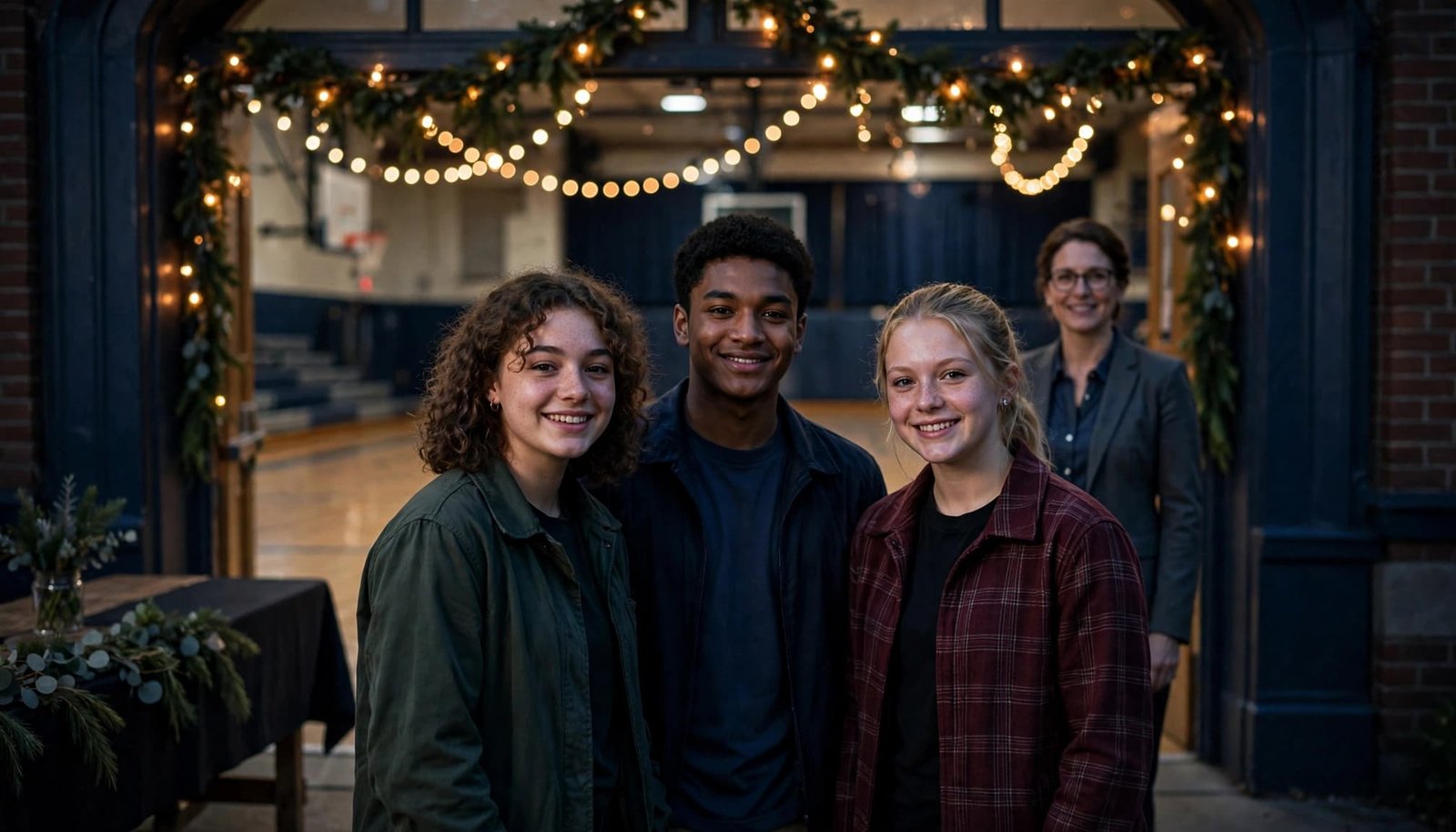
Give welcome greeters one clear response to an unfamiliar situation: direct the guest to the named adult lead for eligibility or safety decisions. A volunteer shouldn’t have to decide whether someone can enter.
Supporting the Schedule
Students can remind the advisor when a planned entrance, photo window, or announcement is approaching. A designated student contact might pass an approved update to the DJ, such as a revised start time for a planned moment. The school employee in charge should authorize changes first.
Build in breaks and a handoff. A student assigned to greet guests shouldn’t be expected to stay at the entrance all night and miss the prom they helped plan.
Keep Student Help and Adult Supervision Distinct
A committee can invite students to lead without treating them as chaperones. That’s an important difference when assigning prom volunteer roles, especially at a venue with multiple rooms or entrances.
Put Safety Decisions With Approved Adults
School staff and approved adult volunteers should cover entrances, the dance area, hallways, quiet spaces, and dismissal according to the school’s plan. They also handle conduct concerns, medical issues, early departures, and calls home. The lead administrator should be identified before doors open.
If a student volunteer notices a problem, their job is to contact that adult, not investigate it. Give each student a name and a way to reach the person. A clear contact path is more dependable than telling volunteers to “find someone” when the room is busy.
Check Local Volunteer Requirements Early
New Hampshire’s school volunteer statute, RSA 189:13-a, requires covered school governing bodies to identify categories of designated volunteers through policy. It doesn’t name prom committees or establish one screening requirement for every volunteer. The school should determine which rules apply to each proposed duty.
District procedures can differ. The SAU 21 volunteer procedure addresses volunteers whose event duties could leave them independently monitoring students. Barrington School District’s volunteer requirements provide another local example. Ask your administrator to match each adult helper’s proposed duties to current district policy, including any background check requirement. Start any required process well before prom week. If required, adult community members should follow the district’s volunteer process. That may include volunteer registration and a volunteer application, or online applications if that’s the district’s actual method. Don’t assume student planning assignments follow the same process as adult chaperone duties.
Build a Committee That Can Make Decisions
A smaller school may need one committee with several students sharing tasks. A larger school might use separate décor, ticket, and entertainment leads. Either way, each task needs one person responsible for the next step and one adult who knows when approval is required.
A short assignment table can define volunteer positions and make those boundaries visible.
| Work area | Student contribution | Adult contact |
|---|---|---|
| Decorations | Prepare and place approved items | Advisor or setup lead |
| Welcome greeters | Give directions and flag questions | Check-in lead |
| Entertainment | Gather requests and confirm planned moments | Faculty advisor |
| Communications | Draft approved reminders | Activities office |
The table isn’t a substitute for a meeting. Begin by reviewing open tasks, settle decisions that are ready, and finish with an owner and deadline for anything still pending. Keep one shared action-item record so students, staff, families, and vendors receive consistent information.
If a lead can’t attend, the advisor should already know who can cover the task. A backup matters most for check-in and scheduled moments, when there may be little time to reorganize.
Coordinate Volunteers With the DJ and Vendors
Prom committees often put careful thought into the playlist, then leave announcements and timing until event week. Give the DJ an approved schedule that includes arrival, formal moments, any meal service, and the final song. Name the school employee who can approve a change.
Keep Music Requests Organized
A student entertainment lead can collect suggestions and explain the atmosphere classmates want. The advisor should communicate clean-music expectations and any do-not-play decisions. DJ Steve Neff Entertainment LLC offers New Hampshire school dance and prom DJ services that include music, MC support, sound, lighting, and coordination with school staff.
Students can share preferences; the DJ manages playback and announcements with the designated adult contact. That arrangement gives the dance room to feel like their celebration without making a student responsible for a disputed request.
Give Every Vendor One School Contact
The venue, food provider, photographer, and DJ should know who speaks for the school. Student volunteers can pass along an approved schedule or help locate that contact, but they shouldn’t change a contract, approve spending, or promise a new setup.
Brief the Team Before Doors Open
A written plan is useful only if volunteers can follow it on prom night. Review assignments with students and adults before guests arrive, then walk through the entrance and main event spaces.
Before Prom Week
Confirm each volunteer’s arrival time, reporting location, task, break, and adult contact. Check that check-in procedures, accessible routes, vendor arrival times, and emergency contacts align with the school’s procedures for special events. The committee’s school dance and prom planning tips can help advisors identify other details to settle before the final meeting.
Ask each student to describe what they will do if their assigned adult is unavailable. That simple question catches unclear handoffs while there’s still time to fix them.
On the Night and Afterward
Hold a brief pre-event check-in to review the schedule, communication method, and who can approve exceptions. After prom, collect practical feedback on assignments, breaks, and volunteer time. Ask where guests hesitated, which instructions changed, and whether any volunteer was unsure whom to contact.
Record those answers with the final budget and returned supplies. Next year’s committee will have more than memories to work from.
Frequently Asked Questions
Can Students Volunteer Without Joining the Prom Committee?
Yes, if the school offers event-night or setup assignments and approves their participation. A student might help with decorations or greet guests without attending every planning meeting. The advisor should still give them a clear task, schedule, and adult contact.
Should Students Check Tickets at the Door?
They can help direct the line or explain where guests should go. Approved adults should handle guest-list verification, eligibility decisions, records, and exceptions under the school’s procedures.
Who Decides Whether an Adult Volunteer Needs a Background Check?
The administrator applies the district’s current policy to the adult’s proposed duties to determine whether a background check is required. New Hampshire law addresses designated volunteer categories, while local rules determine how a prom assignment is handled. Screening requirements can vary, so ask early, particularly for chaperoning or any role that could involve independently monitoring students.
A Prom Team Students Can Count On
A memorable prom needs student ideas and dependable adult coordination. Give volunteers real work, put approvals in the right hands, and make sure every person knows where to turn when plans change.
The clearest assignment is often the one that keeps a small question from becoming a prom-night delay.