A song can be popular with students and still cause trouble at a high school prom if the version played hasn’t been checked. Prom playlist approval works best when students, school staff, and the DJ know who reviews requests and who makes the final call.
You can give students a real say without handing over an unchecked request queue. Start by agreeing on the rules, then build a review process that leaves the DJ room to manage the dance floor.
Key Takeaways
- Gather student requests early, but explain that a submission doesn’t guarantee a song will be played.
- Have a designated staff member approve the exact version the DJ will use, including its lyrics and overall subject matter.
- Give the DJ an approved music pool, a do-not-play list, and one school contact for event-night questions.
Set the Rules Before Requests Open
A committee can’t review songs consistently if each member has a different idea of “school appropriate.” Have the school administration define what counts as inappropriate songs before students see the request form. Event organizers should share the criteria and name one person to resolve questions.
Agree on content boundaries
Ask the supervising administrator or faculty adviser to clarify expectations for language, sexual content, substance references, and other themes. Decide whether clean versions are acceptable and whether any songs, artists, or versions are already off-limits.
Also identify music tied to formal moments, such as entrances, prom court recognition, or a final dance. Review those selections even if they aren’t student requests. A clear standard gives committee members a fair basis for decisions and keeps the DJ from interpreting school policy on the dance floor during the event.
Give each person a defined role
Student organizers can collect suggestions and identify repeated requests. A faculty adviser can review content and take uncertain choices to the school administration. Staff own music selection approval, while the DJ advises on versions, pacing, and whether a requested song fits a particular moment.
Name one school contact to send the final decisions to the DJ. That person should also be reachable during prom. If several committee members can approve songs independently, conflicting answers are likely.
For a New Hampshire school event, clean music for school dances is only one part of the planning conversation; announcements, timing, sound, and staff coordination matter too.
Collect Student Requests Without Promising Every Song
A request list tells you what students recognize and care about. It isn’t a running order. One student may request a slow favorite, while a dozen others ask for upbeat tracks from the same artist. Those patterns help the DJ understand the crowd and what may get people onto the dance floor.
Keep the form short and useful
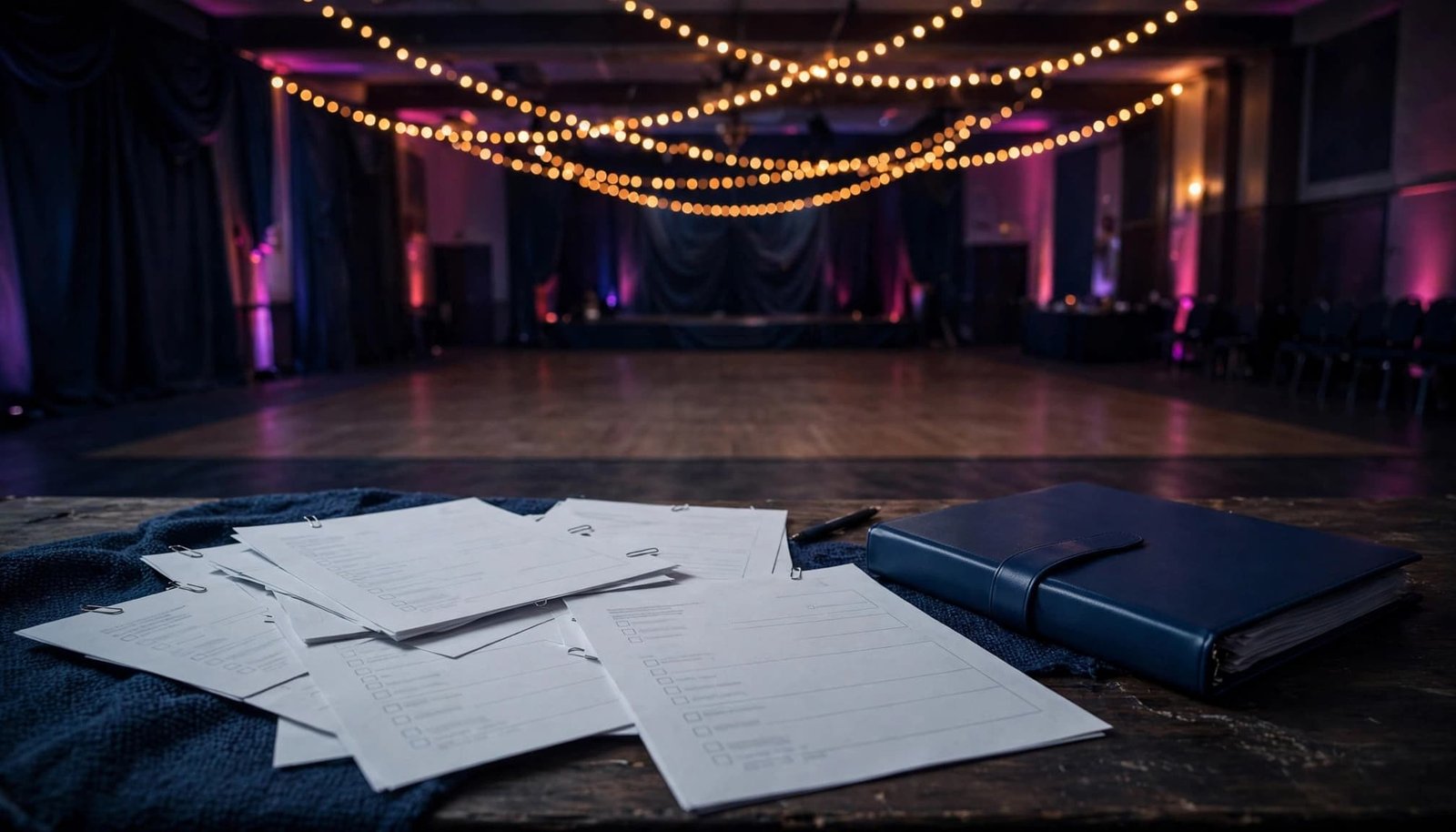
A phone-friendly form can ask for the song title, artist, and preferred version. Optional fields can cover a preferred moment, such as arrival or the final song, and interests like pop favourites, trending hits, classic favourites, throwback tracks, dance tracks, hip-hop, EDM, or country. Avoid collecting student names unless the school has a clear reason to need them.
Tell students up front that student requests will be reviewed for content, available versions, timing, and fit. They should know that a request is a suggestion, not a promise. When several students submit the same track, group those entries on the consolidated request list rather than making reviewers check it repeatedly.
Leave room for review and DJ preparation
Opening requests two to three weeks before prom is a practical starting point. Close the main form several days before the dance so staff can listen, make decisions, and send a usable list to the DJ.
If the committee wants a late-request window, set a separate cutoff and reviewer. Songs added after the approved list is delivered shouldn’t slip into the set because someone assumes another person checked them.
Review the Version That Will Reach the Speakers
A clean label is helpful, but it isn’t approval. Clean edits may remove certain words while leaving lyrics or subject matter the school doesn’t want. A remix may also differ from the familiar original.
Listen beyond the chorus
Check the actual recording the DJ plans to play, including the opening, verses, chorus, and any spoken sections. Confirm the artist and version together; a title alone may point to several recordings. If an edit creates long gaps or awkward silences, ask the DJ for a different approved track that keeps the energy.
Give extra attention to highly requested songs and music attached to formalities. A short clip circulating online doesn’t tell you what the full song contains. This matters when students request a trending track because of a few seconds they know well.
Record a decision the DJ can follow
Keep one shared request list with the song, artist, approved version, decision, and any timing note. The school administration or its designated reviewer records each approval decision. A simple status system is enough.
| Status | What it means for the DJ |
|---|---|
| Approved | The named version may be considered for the set. |
| Pending | Don’t play it until the school contact confirms a decision. |
| Declined | Don’t play the request or substitute another version without approval. |
A declined song can still reveal a useful preference. If students wanted its beat or singalong feel, the DJ can suggest a school-appropriate alternative for staff review. Approve any substitute before playback, and apply the same standard to every request, regardless of who submitted it.
Hand Off an Approved Music Plan, Not a Script
Prom playlist approval should produce clear instructions without locking the DJ into an inflexible song order. The dance floor may respond differently than the committee expected, so a mobile DJ needs approved choices, not a fixed script.
Send the approved pool and exclusions together
Give the DJ the reviewed request list, exact approved versions, must-play selections, and do-not-play list. Treat the approved pool as a flexible party playlist, not a locked sequence. Include the event timeline, announcement cues, planned slow dances, and songs reserved for entrances or the close. Mark requests with strong student support, such as a preference for singalong choruses, rather than presenting every submission as equally important.
Ask the DJ to flag unavailable versions or proposed substitutes before prom. No silent swaps: a different remix or edit needs the same school review as the original request.
Decide how changes get approved
Set one method for last-minute decisions, whether that’s a direct conversation with the designated adviser or a message to an agreed contact. The DJ should know whether approval must happen before a song is queued and what to do if the contact can’t be reached.
Keep a copy of the final list available to the school contact and DJ. That shared reference is useful when a chaperone questions a track or a student insists a request was approved.
Shape the Night With an Approved Playlist
The best song for a busy dance floor may be wrong for dinner or photos. Approval gives the DJ a safe selection of music; pacing turns that selection into a memorable evening.
Plan for the event’s natural phases
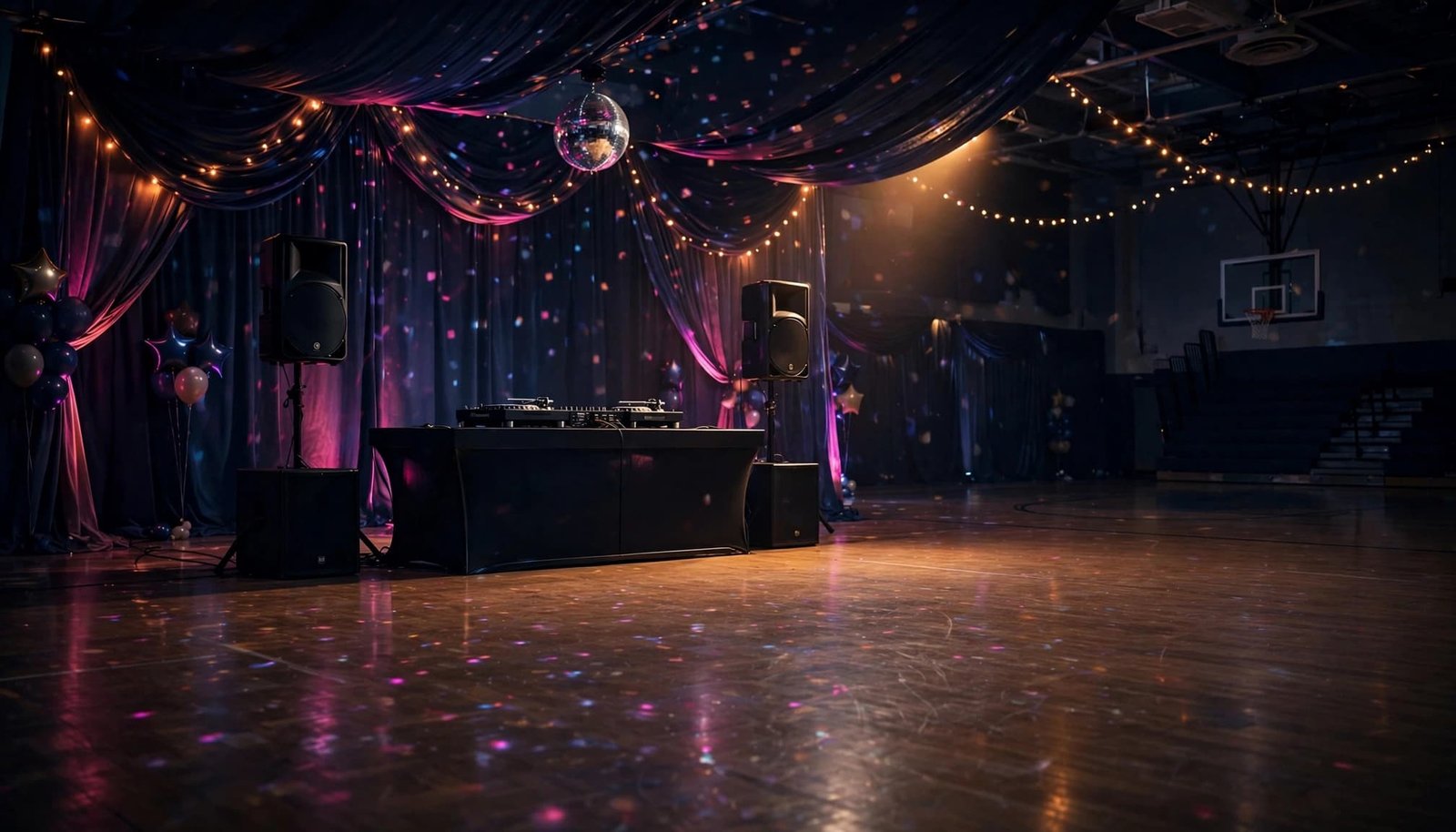
Early music can feel familiar and upbeat while students arrive, talk, and take photos. Once the room is ready to dance, the DJ can move into stronger runs of approved pop, dance tracks, and other styles students requested. Formal announcements need clear microphone cues and a planned return to music.
Save room for a well-timed singalong or final selection. A flexible song order supports playlist flow. It lets the DJ respond to the room’s dance-floor energy if dinner runs late or students start dancing early. The school approves the music; the DJ manages when approved tracks fit.
Match the mix to this class
Classic favourites such as ABBA’s “Dancing Queen” and Earth, Wind & Fire’s “September” can bring familiar energy. Trending hits like Dua Lipa’s “Dance The Night” may offer a different feel, but review the intended recording before approval.
The same applies to current hits. A TikTok favorite might draw a big response, or students may know only its short clip. Rotate styles based on the requests and the room instead of assuming a public or private school, or a past graduating class, predicts this year’s tastes. The strongest mix reflects this school’s students.
Keep Event-Night Requests Under Control
Students often approach the DJ booth once the dance begins. Decide in advance whether the DJ can accept requests, and make the answer easy for students and chaperones to understand.
Use a quick approval route
If live requests are allowed, collect a title and artist through one channel, such as a short form or a designated committee member. An authorized staff reviewer should check any song that isn’t already approved before it reaches the DJ. That includes new trending hits and dance tracks. A booth request doesn’t bypass review or school standards, even when students are waiting on the dance floor.
The DJ can also delay or decline an approved song if it doesn’t fit the moment or song order. A slow track in the middle of a lively set may satisfy one request but hurt crowd engagement.
Keep formalities and music decisions separate
The adviser should handle school decisions and student conduct. The DJ should handle music flow, volume changes, and announcements according to the agreed plan. If a schedule changes, one contact can pass along the new cue without several people giving different instructions.
For broader scheduling questions, the site’s school dance and prom planning tips offer ideas beyond the playlist.
Check Access, Retention, and Music Permissions
If students submit requests online, decide who can see responses and how long the school will keep them. Limit access to the people reviewing music, avoid unnecessary personal details, and delete responses under the school’s retention rules. Share the approved song information with the DJ, not a file of student data the DJ doesn’t need.
Music permissions need a separate check. A personal streaming account shouldn’t be assumed to cover public playback at prom. ASCAP’s music licensing FAQs explain that licenses from different performing rights organizations cover their respective catalogs. NFHS’s BMI license information describes one school-focused licensing route, but coverage depends on the event and music used.
Ask the school, district, venue, and entertainment provider to confirm their responsibilities before the dance. If prom will be recorded or livestreamed, review that use separately; approval to play a song in the room doesn’t settle every other use of it.
Frequently Asked Questions
Who should have the final say on prom songs?
The school should designate an administrator or supervising staff member with final authority over content. Student committee members provide input, and the DJ advises on versions and dance-floor fit. One named contact should communicate decisions so everyone receives the same answer.
Does a radio edit automatically pass review?
No. Review the exact recording for language, themes, and how the edit sounds. If the approved version isn’t available to the DJ, choose another track or send the substitute through school review before prom.
Can students request songs during the dance?
Yes, if the school sets a review route in advance. Already approved songs can be considered when they fit the moment. New songs need staff approval before playback, and students should understand that even approved requests may not make the final set.
A Clear Plan Leaves Room for a Great Night
A strong prom playlist starts with student input and clear school standards. Once staff approve exact versions and give the DJ a reliable handoff, the music can respond to the room without leaving content decisions to chance.
That preparation protects the atmosphere students came to enjoy. It also lets the committee, advisers, and DJ focus on keeping the celebration moving.