A reliable prom parking plan gives student drivers an assigned parking area, separates family drop-off traffic, and provides a supervised place for pickup. Those arrangements help students arrive comfortably and give families clear expectations for the return trip.
The most useful preparation is a shared transportation plan that connects the venue entrance, parking, family contacts, and dismissal procedures. Photos and formalwear deserve attention, but the evening also needs practical arrangements for traffic, accessibility, and late rides.
Start by choosing how each student will arrive and leave.
Key Takeaways for Students and Families
- Assign student parking, family loading, and bus staging to separate areas wherever the venue layout permits.
- Share one itinerary with the entrance address, planned arrival window, pickup location, family contact, and approved return arrangements. Include the name of the adult coordinator who will communicate approved changes.
- Keep accessible spaces, pedestrian routes, and emergency access clear throughout arrival and dismissal.
Prompt Parking’s address directory can help families identify locations in the New York City area and northern New Jersey. A directory listing alone doesn’t establish availability for a single prom evening.
Choose the Right Prom Parking Arrangement
The transportation choice affects where students enter, what families need to budget, and who handles changes. Before prom night, families and school staff should agree on each student driver’s parking area, arrival window, walking route, and pickup procedure.
Student Drivers Need a Complete Route
Students driving themselves need directions to the vehicle entrance, an assigned parking area, and a clear walking route to check-in. A venue’s mailing address may lead to a different entrance than the one used for prom.
Drivers should use their assigned zone and follow the approved traffic flow, rather than choosing a convenient entrance or waiting area. Include parking costs in the transportation budget when an actual event rate is available.
Allow time for walking, admission lines, and collecting belongings before departure. Keep tickets and essential items together so students don’t need unnecessary trips back to their cars.
Family Drop-Off Needs a Different Space
The plan should identify where vehicles enter, where students unload, and how cars continue forward without reversing into arriving traffic. Photo stops belong outside the active loading lane.
Families should know whether pickup uses the same entrance or a separate location. Tell families how they’ll receive updates if the pickup point or timing changes.
Larger vehicles, including buses and stretch limousines, need suitable turning and waiting space. They shouldn’t compete with passenger cars at a narrow doorway. Students benefit when adults handle these arrangements before arrival.
Find Prompt Parking Locations in NYC and New Jersey
For families searching for the company named Prompt Parking, its complete address directory lists roughly 125 addresses across the New York City area and northern New Jersey.
These are the main city groups and streets represented.
| City | Approximate Listed Locations | Streets Included |
|---|---|---|
| Brooklyn, NY | 47 | Kings Highway, Nostrand Avenue, Gates Avenue |
| East Orange, NJ | 31 | South Harrison Street, Prospect Street, North Walnut Street |
| Newark, NJ | 19 | North 9th Street, Roseville Ave, Elizabeth Avenue, Chancellor Avenue |
| Bronx, NY | 7 | Metcalf Avenue, Croes Avenue, Purdy Street, East 174th St |
| Staten Island, NY | 6 | Hylan Boulevard, Richmond Avenue, Tysens Lane |
| Irvington, NJ | 5 | Springfield Avenue, Stuyvesant Avenue, Grove Street |
Brooklyn has the largest share of listed addresses, with Kings Highway among its examples, followed by East Orange and Newark; Grove Street appears in Irvington, and Richmond Avenue appears on Staten Island.
Queens entries include 89-19 171st St in Jamaica, 10-12 Nameoke St in Far Rockaway, and 319 Beach 98th Street in Rockaway Park.
Other New Jersey entries include 350 Central Avenue in Kearny, 666-682 West 7th Street in Plainfield, and 787 Vose Avenue in Orange, NJ. The company also maintains a New Jersey parking list for that portion of its service area.
For example, East 21st Street is a hypothetical address-check example, not a claim that the directory lists a location there. The name East 21st Street alone doesn’t confirm that a candidate address has prom-night availability or a suitable entrance.
The directory doesn’t publish prom-specific prices, hours, booking instructions, or event rules. Treat it as an address resource rather than a prom reservation.
Make Arrival Clear, Accessible, and Welcoming
A thoughtful arrival plan connects vehicle movement with student check-in. It should remain easy to follow after sunset, in formalwear, and during poor weather.
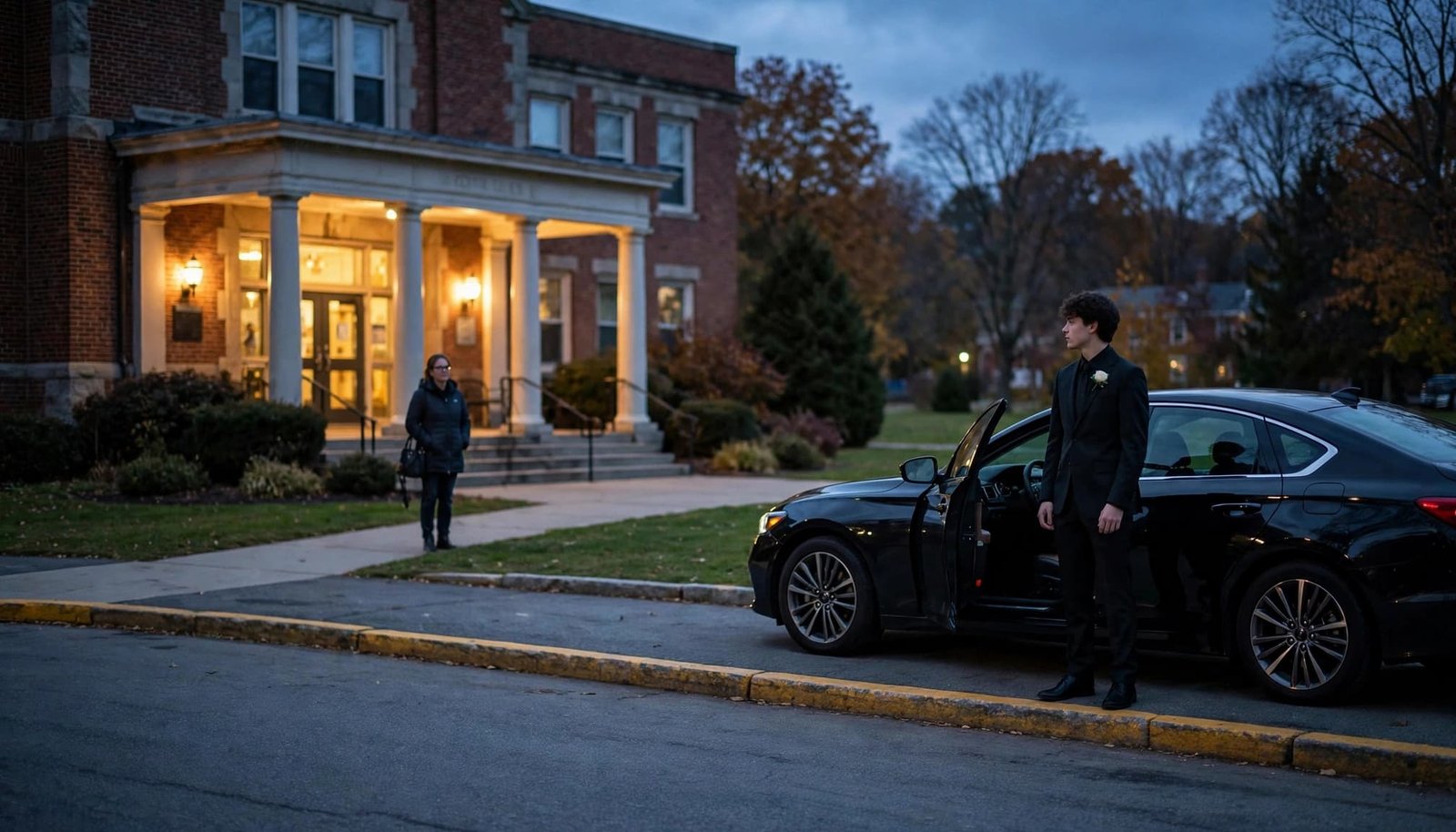
Separate Vehicles From Walking Routes
Before prom, ask the school or event organizer to confirm each arrival location. Verify the vehicle entrance, student-driver parking, family loading zone, bus staging area, and pedestrian route.
Set an arrival window and identify the staff directing traffic. They should keep vehicles moving and prevent students from crossing active lanes. Send approved changes through the designated school contact so students and families don’t have to interpret conflicting directions.
School committees should designate crossing points and direct students to the supervised entrance instead of allowing them to weave between queued cars. Keep vendor loading separate from guest arrival wherever possible. Equipment cases, catering deliveries, and buses can create congestion when they share the same narrow access point. Our school prom planning guide connects these arrival details with check-in, activities, and the evening’s overall schedule.
Protect Accessible Parking and Unloading
Accessible parking spaces and their access aisles must remain available, not become overflow waiting areas. Passenger unloading also needs room for mobility-device deployment and a clear route to the entrance.
Plan the entire journey, including surface conditions, curb transitions, doors, and any necessary elevator access. A short route with stairs isn’t a suitable substitute for an accessible route. Provide a supervised indoor waiting option when rain, cold, or delayed admission makes outdoor waiting uncomfortable.
Give Student Drivers Clear Safety Expectations
Prom transportation works better when families discuss expectations calmly before the evening begins. Students should understand the passenger plan, approved destinations, and arrangements for a driver who needs help.
Keep Attention on the Road
The U.S. Department of Transportation’s teen-driver safety guidance addresses distraction, passengers, and other preventable driving risks.
Set navigation before leaving, put the phone away while driving, and leave group messages for a passenger or a safe stop. Everyone needs a seat belt. A prom invitation doesn’t override license restrictions on passengers or nighttime driving.
Formal clothing can also affect comfort; footwear should allow the driver to operate the pedals reliably.
Arrange a Backup Ride Without Pressure
A student who feels tired, unwell, impaired, or uncomfortable driving needs a dependable alternative. Name an available adult and make the contact information easy to reach.
Families should make clear that requesting help is the right decision. A delayed ride or a car left overnight is easier to resolve than an unsafe trip.
Give one parent coordinator responsibility for sharing approved changes. That keeps several separate text conversations from producing conflicting instructions about passengers, destinations, or pickup locations.
Plan Pickup Through the Final Student Departure
The final song doesn’t end the school’s transportation responsibilities. Students still need supervised waiting, clear directions, and an organized handoff to their ride.
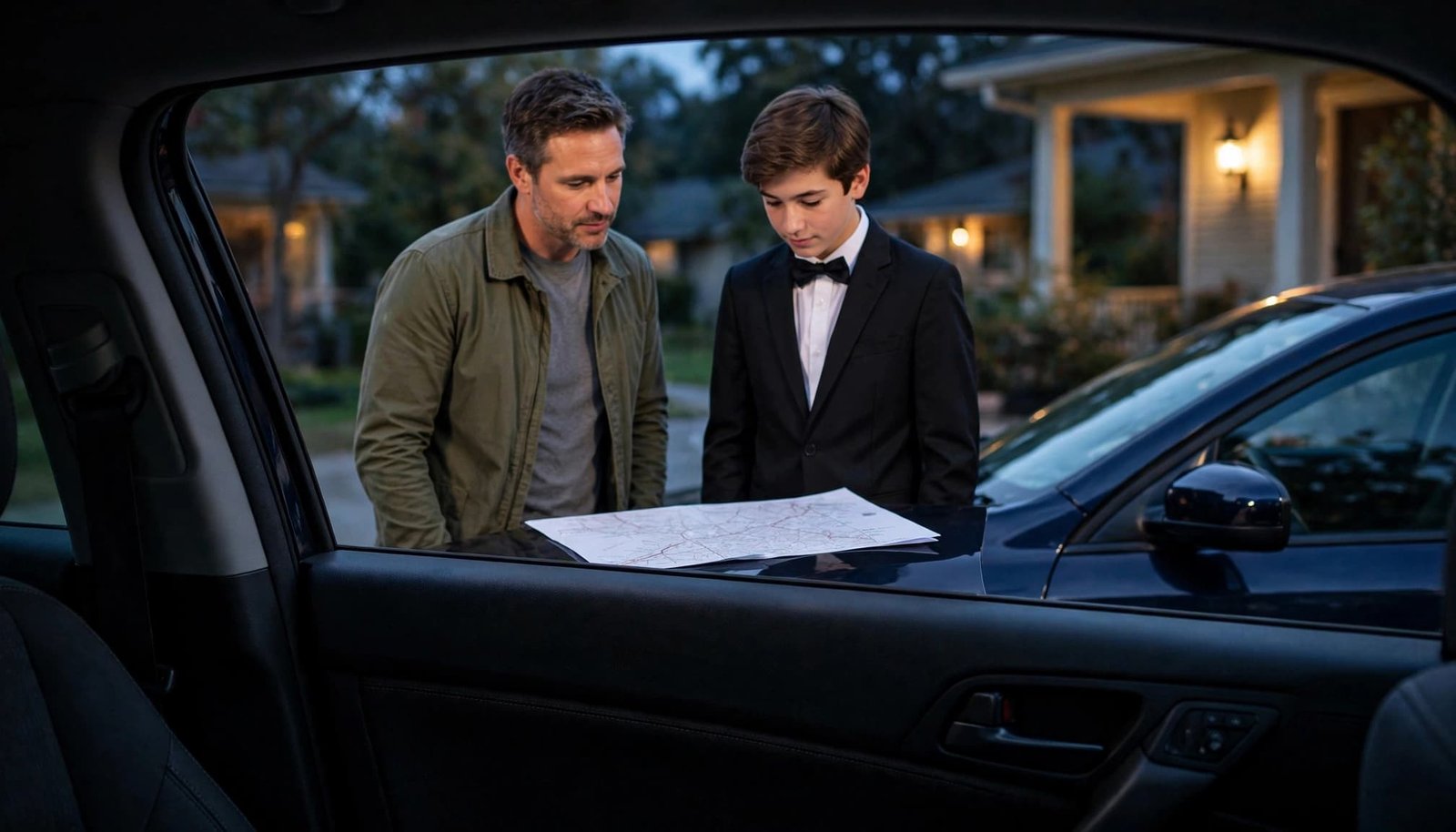
Assign a Waiting Area and Closing Lead
Name the adult responsible for pickup supervision and provide a backup contact. Keep coverage in place until the final student leaves safely.
Before prom night, give families the pickup point, expected dismissal window, and contact for reporting delays. Students should wait in the designated supervised area, preferably indoors during poor weather, until staff directs them to the loading zone.
A family pickup point and a family waiting area serve different purposes. Keep waiting vehicles out of the active loading lane.
Dismissal instructions should explain who directs students to the loading area. The designated adult coordinator should communicate any approved change to the pickup point or timing.
Document the After-Prom Handoff
An after-prom destination needs its own transportation and supervision arrangements. Record the location, receiving adult or organization, contact number, and planned ride.
Include time to collect coats, formalwear bags, and personal belongings. If a student changes vehicles, assign responsibility for transferring those items.
Students shouldn’t negotiate additional stops with a driver during dismissal. Route changes belong with the designated adult coordinator and the transportation provider’s approved process.
Connect Parking Instructions With Prom Announcements
Clear announcements help students follow the departure plan without interrupting the celebration. Before prom, give the DJ and relevant staff the approved pickup wording, closing sequence, and school contact.
Name one school representative to authorize routine announcement changes. The DJ can support prom music and announcements, while school staff and assigned safety personnel remain responsible for supervision and emergency decisions.
Our prom DJ planning timeline connects doors opening, student arrival, formal activities, the final song, and venue exit. Add transportation details to the same schedule.
Announcements should identify the approved waiting location and departure procedure without sharing private student information. The designated representative should send changes through the school’s established family communication channel. Limit family phone numbers, home addresses, and detailed transportation lists to the adults who need them.
During dismissal, keep equipment cases and cleanup carts out of student walking routes. Vendor teardown should follow the venue’s approved sequence and stay clear of pickup.
Frequently Asked Questions About Prom Parking
Should Families Pick Up at the Main Entrance?
Use the pickup point assigned in the prom transportation plan. The main entrance may also handle buses, pedestrian traffic, or another event. A separate pickup point can work well when it has lighting, supervision, an accessible route, and clear directions for families.
What Happens When a Student Needs Something From the Car?
The school’s departure and re-entry procedures apply when retrieving belongings requires leaving the supervised event area. Students should speak with the designated staff member rather than walking out independently. Bringing essential items inside at arrival reduces these interruptions.
Does Prom Admission Include After-Prom Transportation?
Prom admission doesn’t automatically include a ride or entry to a separate after-prom activity. That event needs its own participation arrangements, transportation instructions, and receiving supervisor. Families should receive a written handoff plan rather than assume the prom’s arrangements continue.
A Clear Parking Plan Supports a Better Prom Night
A dependable prom parking plan connects the entire trip, including arrival, the walk to check-in, supervised pickup, and any after-prom transfer. Separate vehicle uses and clear adult responsibilities give students fewer details to manage during the celebration.
Put the final arrangements in one shared itinerary and give each participant the information they need. With transportation organized, families can feel more confident and students can focus on enjoying prom.