A beautiful prom venue won’t solve a schedule that leaves students choosing between the dance and another important commitment. Planning a high school prom begins with the school calendar, clear approval deadlines, and a realistic understanding of student availability.
For committees, that means choosing an event night before committing to vendors; for students, it means checking obligations before making plans with a date or friends. Start with calendar coordination, then build the celebration around a night your school community can enjoy.
Key Takeaways
- Compare school events, testing schedules, holidays, and sports commitments before approving a prom date.
- Check venue, entertainment, transportation, and staff availability together before announcing the event.
- Publish ticket and guest deadlines early, keep attendance options welcoming, and provide confidential financial support.
Start Prom Date Planning With the School Calendar
Start comparing dates and venues six to 12 months ahead when possible, especially during prom season, when popular spring weekends book quickly. Early preparation gives administrators time to review contracts, organize funding, and resolve conflicts before students make personal arrangements.

Check Academic and School Commitments
Use the district’s approved calendar as your starting point for the high school prom. Add final exams, graduation activities, concerts, theater performances, award nights, and other school dances.
Check the College Board’s AP and SAT schedules, along with ACT testing dates. A free evening may still precede an early test or major academic deadline.
Ask department leaders and activity advisors about commitments that haven’t reached the public calendar. Record confirmed conflicts separately from tentative events so the committee can compare dates without treating every possibility as a firm restriction.
Include Sports, Holidays, and Family Plans
Athletic schedules deserve careful attention, including away games, tournaments, and possible postseason travel. Coaches can identify where schedules remain uncertain.
Review school vacations, religious observances, and major community events with administrators and student representatives. Don’t assume every household follows the same holiday schedule.
Also consider student work commitments and family transportation needs. A short, school-approved availability survey can identify patterns without asking students to explain private circumstances. The goal is a practical understanding of participation, not a calendar with no possible conflicts.
Compare Candidate Dates Before Making Commitments
A useful shortlist includes more than one workable evening. Compare each candidate using the same attendance, staffing, travel, and budget criteria rather than choosing the first available venue date.
Weigh Friday and Saturday Evenings
Friday may work well for the school’s calendar, but students could have classes, practices, or jobs immediately before prom. Leave reasonable time for travel, formalwear preparation, and photos.
Saturday allows more preparation time, yet it may conflict with testing, athletics, work, or family activities. It also requires staff and volunteers to be available outside the normal school week.
Look at the morning after prom, too. Late dismissal, long travel, and an early commitment can make an otherwise attractive date less practical.
Confirm Who Can Approve the Date
Students should help identify preferences, but an authorized school employee should approve the event date and related commitments.
Name the person responsible for contracts, purchasing, guest policies, and event-night changes. Confirm chaperone availability before treating a date as final.
Keep candidate dates private until the venue, key vendors, and administration agree. An early announcement can lead families to book appointments or transportation that become difficult to change. Reliable communication begins with approved information.
Match the Venue and Entertainment to the Date
Once the shortlist is approved, check venue and vendor availability before finalizing venue selection. The room, entertainment, logistics, and supervision should support the same schedule.
Confirm the Room’s Practical Requirements
Ask about the permitted event layout, accessible entrances, restrooms, parking, pickup areas, and weather arrangements. Capacity should account for tables, food service, equipment, and the dance floor. Plan photo opportunities where they won’t block paths to the dance floor, exits, or aisles.
Check setup access and closing requirements. A room available for the evening may have a limited decorating window or a teardown deadline that affects staffing.
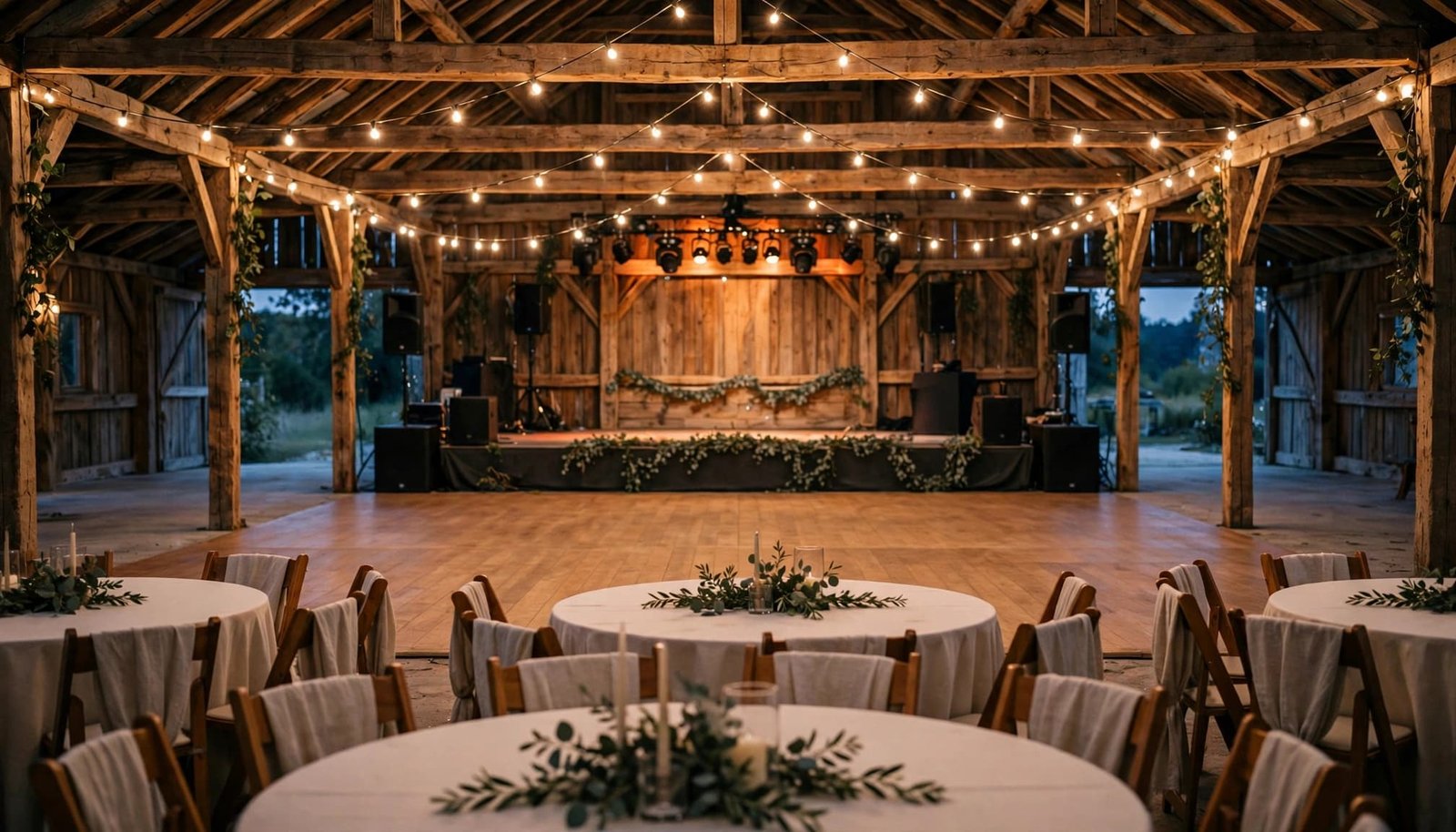
Choose prom themes after these details are clear. An Enchanted Forest theme can bring rustic elegance to a suitable rustic venue. Use greenery and lighting to add rustic elegance without blocking exits, aisles, or supervision sightlines near the dance floor.
Reserve Entertainment With the Timeline in Mind
Discuss clean music, announcements, sound, lighting, and the evening’s flow before signing an entertainment contract. Include vendor arrival times, power access, volume rules, and a school contact for school dances.
DJ Steve Neff Entertainment LLC provides professional school dance DJ services throughout New Hampshire, with music planning, sound, lighting, and staff coordination. Its professional DJ experience dates back to 1999; the business began in Maine and is now based in Concord, New Hampshire.
Confirm which services are included and how schedule changes will be handled. Clear package details help committees compare providers fairly and avoid unexpected expenses.
Work Backward From Prom Night
Once the date is confirmed, use a shared document to coordinate event planning and party planning tasks, including owners, deadlines, approval status, vendor contacts, and payment dates. Use a district-approved spreadsheet or platform, with access limited to appropriate staff.
This schedule provides a practical framework for organizing the work.
| Planning Window | Main Priority |
|---|---|
| Six to 12 months ahead | Compare dates and venues, establish the budget, and begin vendor inquiries. |
| Five to six months ahead | Confirm major bookings, contracts, deposits, and transportation arrangements. |
| Three to four months ahead | Approve ticket pricing, theme details, food plans, and guest procedures. |
| Six to eight weeks ahead | Review music standards, staffing, layout, ticket support, and family information. |
| Two to three weeks ahead | Confirm attendance, vendor timing, emergency procedures, and pickup plans. |
| Event week | Issue the final timeline and brief staff and volunteers. |
The sequence matters more than identical deadlines for every school. Popular dates or district purchasing requirements may require earlier action.
Hold a brief weekly committee meeting. Review completed work, pending approvals, and anything that could delay the event.
Give each unresolved item an owner and due date. When exams, vacations, or staff absences interrupt planning, the shared document keeps important decisions visible instead of buried in separate messages.
Make Plans With a Date or Friends Without Pressure
Once the school announces the approved date, students can check their calendars for conflicts before committing to the high school prom. Confirm work shifts, sports travel, family commitments, rides or pickup plans, and any guest approval requirements before making promises.
Ask Privately and Keep Expectations Clear
A simple, private invitation gives the other person room to respond comfortably. Keeping promposals private and low-pressure is often more considerate than making a public invitation before knowing whether they want to attend together.
Discuss whether you’re attending as friends or as a couple. Agree on basic expectations for photo opportunities, dinner, travel or pickup plans, and expenses before booking anything.
Give the person time to decide and accept their answer respectfully. If they can’t attend, keep their explanation private. Clear, low-pressure communication protects friendships and makes planning more comfortable.
Keep Solo and Group Attendance Welcome
Prom publicity should state that students can attend alone, with a date, or with friends. Dates shouldn’t be treated as a requirement for enjoying the music, photos, and celebration.
Use welcoming language at ticket sales and check-in rather than assuming everyone arrives as a couple. Groups also need clear travel or pickup plans, guest approvals, and spending agreements.
Students looking for a date should avoid public promposals or sharing another person’s name, photo, or relationship status without permission. School-approved communication channels and trusted friends offer a more appropriate starting point than public pressure.
Set a Budget That Supports Attendance
Affordability affects participation as much as timing. Use these budgeting tips to prioritize essential expenses before decorative extras: venue, dependable entertainment, supervision, food, accessibility, and transportation support.
Request itemized quotes, including deposits, final payment dates, travel, overtime, and optional additions. Committees can request a personalized DJ package based on the event’s size, schedule, sound, and lighting needs.
Students should discuss their own costs before making reservations. Tickets, formalwear, photos, meals, and transportation shouldn’t come with an assumption that one person pays for everything.
Compare discounts offered by local businesses before promoting them. Confirm eligibility, expiration dates, exclusions, and the final cost with local businesses, since some discounts require extra spending and may not lower the total budget.
Schools can offer ticket assistance through confidential student resources, such as a counselor, family liaison, or form. Avoid public explanations of who receives support.
Publish assistance deadlines early enough that students can arrange tickets and transportation without disclosing their circumstances to classmates.
Confirm the Final Schedule Before Event Week
Two to three weeks before prom, bring the school lead, venue contact, DJ, food provider, security team, and student representatives together. Review catering options and the evening in order: setup, check-in, announcements, food, dancing, departure, and teardown.
Confirm who approves song requests and announcements. Review dietary questions, accessible routes, quiet-space coverage, weather decisions, and pickup procedures. The site’s school dance planning tips offer related guidance on food planning and playlist approval.
Send families one approved information sheet with the location, arrival window, closing time, ticket details, guest rules, dress guidance, food information, and a contact for questions.
Keep private student information and security assignments out of public materials. Before doors open, complete a short staff walkthrough of exits, restrooms, check-in, lighting, the dance floor, and pickup areas.
Frequently Asked Questions
What If the School Calendar Changes After Booking?
Review each contract’s cancellation and postponement terms before agreeing to a new date. The school lead should confirm replacement availability with the venue, entertainment provider, transportation company, and other affected vendors.
Update approved communications together so students and families receive consistent information. Explain what happens to tickets and existing reservations. Avoid announcing a replacement date while essential bookings remain unresolved.
Should Nearby Schools Coordinate Their Prom Dates?
Checking nearby school schedules can help identify pressure on shared venues, transportation providers, photographers, and entertainment availability. It can also reveal conflicts for students inviting eligible guests who attend another school.
Each school still needs a date that meets its own academic and staffing requirements. Use neighboring schedules as planning information, then verify availability directly with vendors. Another school’s date doesn’t automatically make yours unsuitable.
Choose a Date That Supports the Celebration
Thoughtful preparation gives students a better chance to participate and gives organizers time to arrange dependable services. The strongest choice balances school commitments, vendor availability, affordability, and clear approval procedures.
Keep one approved plan and communicate deadlines early. A well-chosen date lets students focus on enjoying prom rather than managing avoidable conflicts.