A memorable prom needs more than a great theme and a full dance floor. It needs a clear financial plan that gives administrators, student leaders, and families confidence before commitments are made.
A well-built prom budget worksheet works as an event budget template and event budget planner for New Hampshire school committees. It documents expected attendance, funding sources, spending limits, and approval checkpoints before commitments are made. It also shows what the school can afford, how revenue from prom tickets supports the plan, and which details should wait until the numbers support them.
Build a Shared Event Budget That Committees Can Use
Start with realistic attendance, not the full senior class size. Review recent ticket sales, guest policies, chaperone needs, and venue capacity. Then build the first budget around a conservative participation estimate.
If 250 prom tickets is a reasonable expectation, use 250 tickets in the income projection. Planning around every eligible student can leave the committee short when final sales are lower. This keeps projected costs grounded in likely ticket revenue.
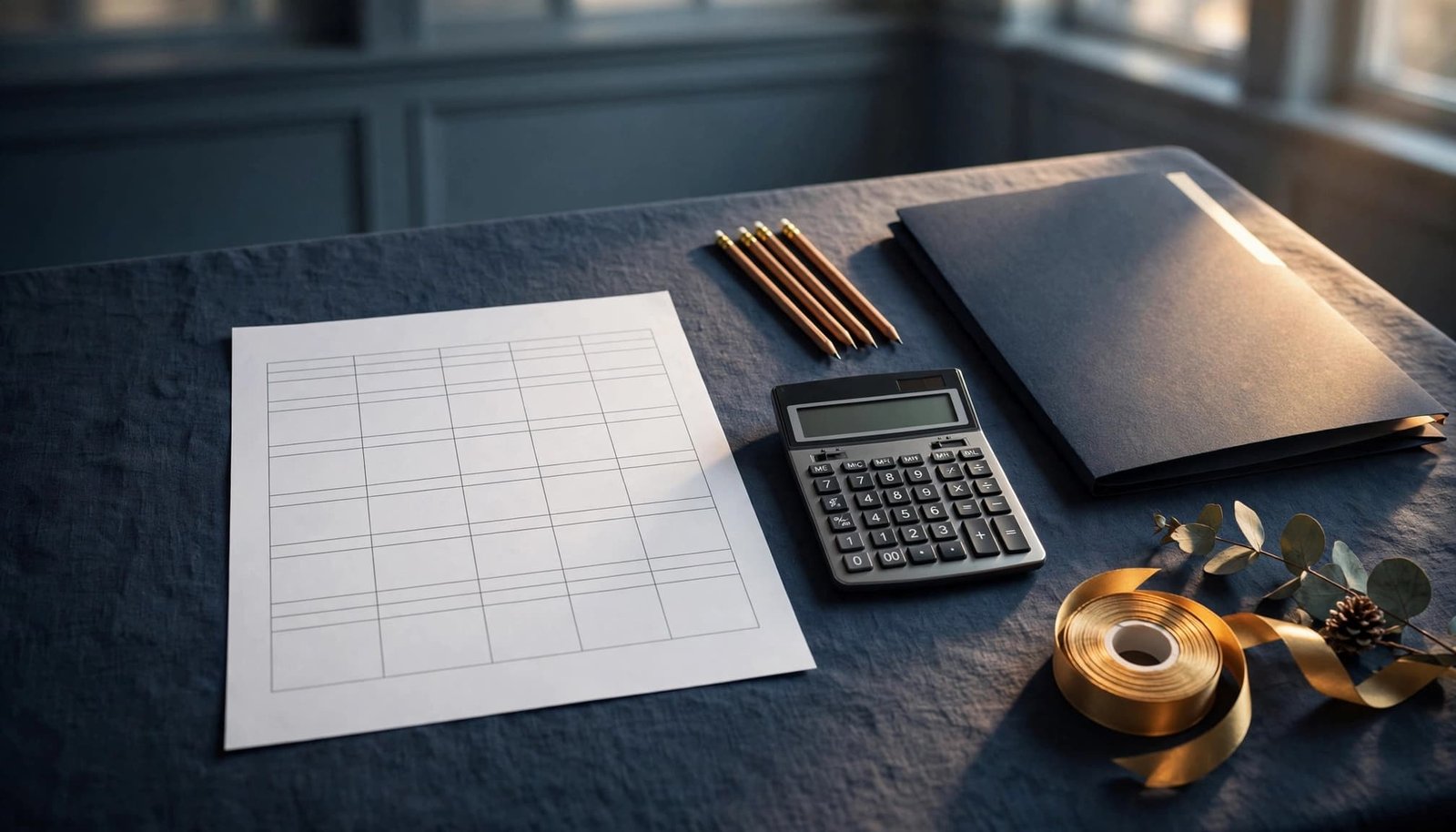
Start With Revenue, Not Decorations
List every expected source of income before approving expenses. An event budget template should include ticket sales, approved fundraising, PTO support, alumni gifts, business sponsorships, and in-kind donations.
Use an event budget planner to monitor funding sources alongside the expense categories they support. Keep cash contributions separate from donated goods or services. A donated dessert table helps the hospitality line, but it doesn’t pay a DJ deposit or facility fee.
| Revenue Source | Expected Amount | Actual Amount | Notes |
|---|---|---|---|
| Prom ticket sales | $ | $ | Use conservative attendance |
| PTO or parent group support | $ | $ | Confirm approval process |
| Fundraising proceeds | $ | $ | Record net proceeds |
| Sponsorships and donations | $ | $ | Separate cash and in-kind gifts |
| Total available funds | $ | $ | Compare with total expenses |
A ticket price should support the plan without creating an unnecessary barrier to attendance. Household costs, including a prom dress, can affect participation. Early-bird pricing can build momentum, but the committee should also provide a confidential process for reduced-cost tickets.
Use Columns That Support Real Decisions
A useful prom budget template should include more than a projected cost. A cost tracker template can organize each line by estimated amount, actual amount, and variance.
Also record the funding source, contingency allocation, vendor, quote date, deposit, payment deadline, approval owner, and notes. These fields help the committee review commitments before money is spent.
The variance column is simple: actual cost minus projected cost. A positive number means the line exceeded the estimate. A negative number means funds are available elsewhere.
Before adding an upgrade or signing a vendor contract, require an approval checkpoint. Confirm the funding source, payment deadline, and approval owner first.
Every approved upgrade should have a funding source before it becomes part of the prom plan.
Keep one shared version of the worksheet. The school business office, prom advisor, and committee finance lead should know which copy is current. Store that file as the shared event budget template so updates remain visible and consistent.
Estimate Prom Costs by Category
A committee budget and an individual student’s prom costs are not the same thing. School committees should focus on the event, while families separately estimate attire and optional activities.
Families may separately estimate a prom dress, prom shoes, hair and makeup, a tux rental, prom transportation, a corsage and boutonniere, professional photos, and after prom activities. These are planning estimates, not district requirements. A student may need assistance with a prom dress, while another may reuse a prom dress, replace prom shoes, or purchase a second prom dress for comfort. Comparing a prom dress with a lower-cost option can clarify household needs, and support for a prom dress can improve access. Keeping the ticket price reasonable also leaves room for a prom dress that fits a student’s budget.
A prom budget template can separate school-paid expenses from optional household spending. An event budget template may help organize the committee’s controlled costs, while a cost tracker template supports updates and documentation. A party budget template can offer general planning ideas, but it shouldn’t replace the committee’s controlled event budget.
The worksheet should still recognize that ticket prices affect how high school students and their families plan to participate. Keeping the event price reasonable leaves room for students to participate in ways that fit their households.
Venue, Food, and Operations
Venue pricing can look manageable until taxes, staffing, service charges, or overtime appear. Request every quote in writing and compare the same event hours, guest count, meal plan, setup access, and cleanup requirements.
For a real New Hampshire example, The Oaks Grandview Venue’s prom package lists $35 per guest plus tax, a $900 facility fee for a three-hour event, and $300 for each additional hour. That is one venue’s published pricing, not a statewide average, but it shows why per-person and flat fees belong on separate worksheet lines.
Use these expense categories:
- Venue rental, custodial support, tables, chairs, parking, and access time.
- Food, beverages, allergen-aware options, vendor meals, tax, and service charges.
- Security, first-aid supplies, radios, check-in materials, and cleanup.
- A contingency amount for last-minute replacements or approved changes.
Entertainment, Sound, and Lighting
Entertainment affects the energy of the night, but the quote should be clear about what is included. Ask for performance time, setup window, sound coverage, microphones, lighting, travel, overtime, and backup equipment in one written proposal.
A professional DJ also needs the event timeline, expected attendance, music standards, do-not-play list, formal announcements, and the adult with final approval. New Hampshire school dance DJ services can include clean music, professional sound, lighting, MC support, and coordination that fit school expectations.
Avoid comparing a full prom entertainment package with a basic hourly rate. The lower number may not include the microphones, load-in time, lighting, or backup plan the event needs.
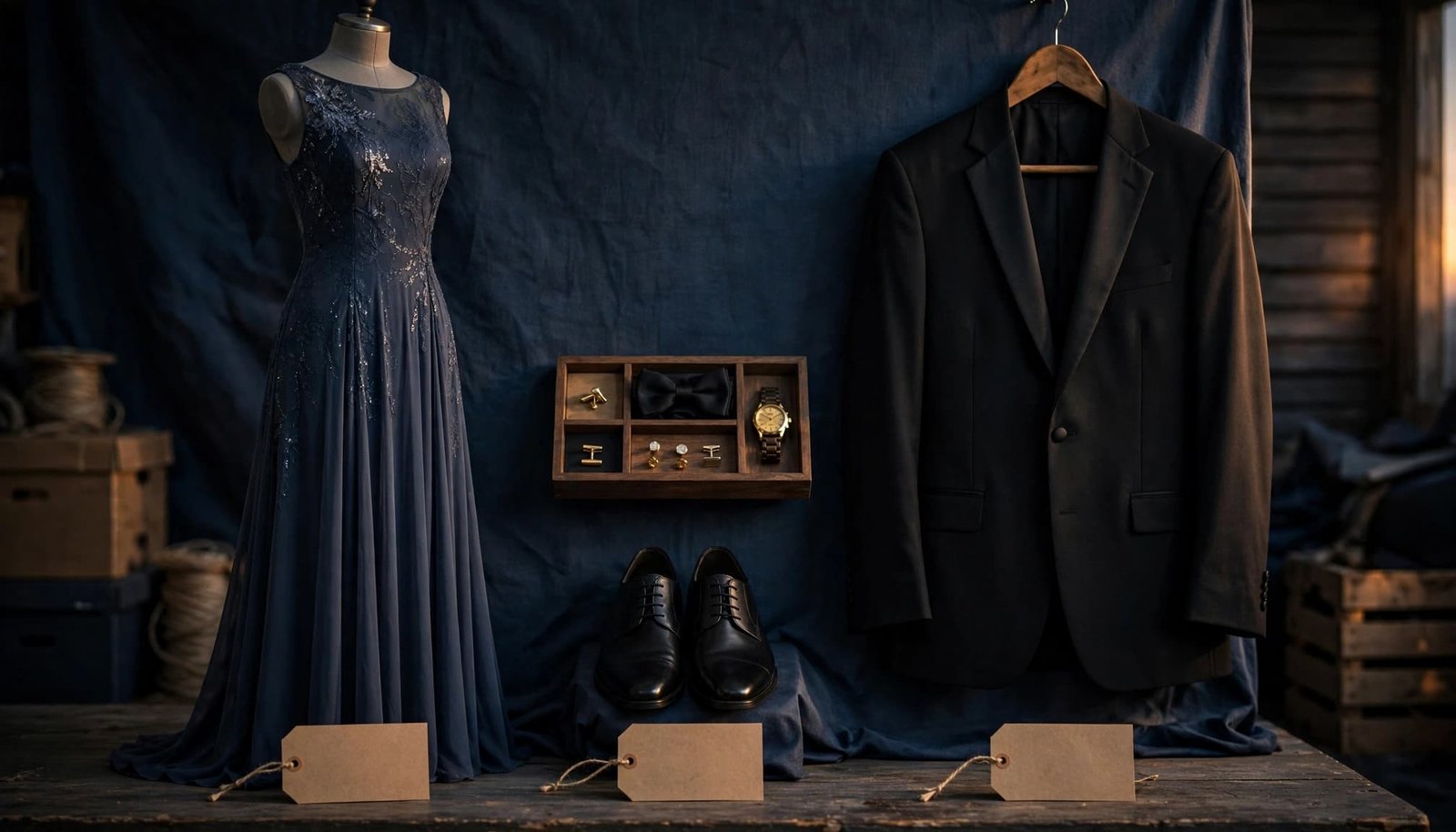
Separate Needs From Wants Before Spending
Prom planning becomes expensive when every attractive idea becomes a must-have. A strong committee starts with safety, participation, and event flow, then adds visual extras only when revenue supports them. Attractive add-ons can increase total prom costs quickly, so the priority order should remain clear: core event, contingency reserve, approved enhancements, then discretionary upgrades.
Protect the Core Event First
The first budget tier should cover an approved venue, adequate supervision, food and water, ticketing, reliable entertainment, accessibility, emergency planning, and transportation arrangements where the school provides them. A prom budget template can organize these essentials, while an event budget template can show the contingency reserve separately.
The plan should also protect reduced-cost ticket support for students managing household expenses, including a prom dress. A student shouldn’t lose access to the event because a prom dress creates an added financial burden. A party budget template may suit a casual household celebration, but a school event needs documented approvals, clear controls, and an auditable spending plan.
A school gym can reduce rental costs, but it may still require custodial time, floor protection, additional sound coverage, and cleanup. A ballroom may provide tables and lighting, but it may charge for overtime or require in-house catering.
The right choice is the one that fits the attendance plan, safety expectations, and available funds. Set aside the contingency reserve before approving enhancements.
Add Enhancements Only When Funds Allow
Photo booths, specialty lighting, upgraded linens, elaborate backdrops, favors, professional photos, and premium decor can create a polished atmosphere. They should not crowd out safety, food, supervision, accessibility, or the contingency reserve.
Use an event budget planner to move optional items through an approval checkpoint. Approve enhancements only after core needs are funded, then consider discretionary upgrades if revenue remains available.
Reusable fabric, borrowed greenery, student-designed photo backdrops, and carefully placed lighting can make a space feel event-ready without a large decor purchase. These money-saving tips can preserve funds for student access and essential services. Keep each optional item on its own line so it can be removed without disrupting the full budget.
Keep Prom Funds Clear and Auditable
School prom money should follow district procedures from the first sale through the final vendor payment. New Hampshire districts may use different rules, so confirm the process with the school business office before money changes hands. This is general planning guidance and must be checked against current district policy and applicable New Hampshire guidance.
The New Hampshire Department of Education provides financial reporting resources for schools. These resources don’t replace district policy, but they reinforce organized records and approved financial practices.
Centralize Ticket Sales and Payments
Use an approved school payment platform whenever available. Families who need a cash option should have a clear school-office process, with money counted and recorded after each sales period.
A prom budget template or event budget template can help document revenue, expenses, approvals, and remaining funds. Keep receipts, invoices, deposits, reimbursements, and variances organized with a cost tracker template and the budget worksheet.
Don’t collect card numbers through paper forms, email, or a shared spreadsheet. Store sponsorship records with the other approved financial documents.
Add an approval checkpoint before accepting donations, signing contracts, authorizing purchases, or releasing reimbursements. A committee should document who can complete each step, especially when deadlines are close.
Make Student Support Private
A high ticket price can exclude students before prom even begins. Build reduced-cost support into the plan through a counselor, family liaison, activities office, or confidential form.
Avoid public language about financial hardship. Students shouldn’t have to explain why they received assistance, borrowed a prom dress, or needed transportation help.
Sponsor-a-ticket funding, PTO support, and approved local donations can help cover a prom dress or transportation costs while protecting access. A counselor or clothing closet may also arrange a private prom dress option.
Compare Quotes With the Full Event in Mind
A detailed quote protects both the budget and the event. Ask vendors to list included services, payment deadlines, cancellation terms, overtime rates, insurance documentation when required, and backup plans. Require fields for taxes, deposits, accessibility, and approval status.
For entertainment, a quote should state the music start time, last song, setup access, sound system, wireless microphones, lighting, travel, and venue challenges. Stairs, long load-ins, limited parking, and early access can change the price. An advertised starting price isn’t the complete cost that belongs in the committee’s plan.
For a venue, compare the true event cost. Ask whether the quoted capacity includes students, guests, chaperones, vendors, and staff. Confirm whether tables, chairs, linens, security, parking, taxes, and cleanup are included. Compare venue, food, entertainment, security, transportation, and cleanup using the same expense categories.
A prom budget template with standardized quote fields makes proposals easier to compare. Connect each quote to an event budget template or event budget planner. Record committed amounts, projected costs, actual invoices, and variance in a cost tracker template.
Set quote deadlines around booking and payment checkpoints in the prom timeline. This helps the committee compare complete proposals instead of vague starting prices. A shared event budget keeps approvals and vendor costs clear.
Follow a Prom Timeline That Keeps Costs Predictable
Early planning gives the committee time to compare options instead of accepting the only available choice. Popular spring dates, venues, transportation providers, and experienced school entertainment professionals can book well before prom season. Use the prom timeline to revisit each deadline and adjust the worksheet as decisions change.
Six to Four Months Before Prom
Confirm the planning committee, projected attendance, event vision, spending ceiling, and funding plan. Use a prom budget template or event budget template to organize projected expenses, quotes, and deposits.
An event budget planner can help compare categories as plans develop. A cost tracker template makes it easier to monitor commitments. A party budget template may work for informal planning, but committees need clearer records for school funds. Confirm the financial plan before signing contracts.
Reserve the venue and begin collecting written proposals for food, entertainment, security, rentals, and prom transportation. Review accessibility needs alongside transportation options.
Review guest rules, behavior, alcohol and substance policies, adult screening, transportation, insurance, and vendor documentation against current district policy or New Hampshire guidance before contracts are signed.
Three to Two Months Before Prom
Launch prom tickets, track revenue weekly, and update the worksheet with real figures. Finalize the floor plan, entertainment plan, food service details, decor purchases, chaperone assignments, and vendor deposits.
Send families one clear information sheet with ticket details, arrival time, location, food information, dress guidance, and a contact for questions. Include prom dress expectations and support for students who need help finding a prom dress. Clear communication cuts down on last-minute problems.
Final Month and Event Week
Four weeks before prom, confirm the DJ contract, activity schedule, room diagram, emergency contacts, music policy, security plan, and event-day responsibilities. Review contingency funds and required approvals before final commitments.
Two weeks before the event, hold a final meeting with the school lead, venue manager, DJ, caterer, security team, and student representatives. Confirm contracts, arrival times, responsibilities, and emergency contacts.
Walk through the full evening in order: setup, check-in, announcements, food service, quiet-room coverage, last dance, departure, and teardown. After prom, reconcile projected and actual costs while the details are still fresh.
Key Takeaways
- Build ticket revenue around realistic attendance and confirm available funding sources, not a best-case estimate.
- Use an event budget template to track projected costs, actual costs, deposits, due dates, and budget variance in one shared worksheet.
- Fund safety, accessibility, food, supervision, and dependable entertainment before optional upgrades. Include a contingency reserve for unexpected costs.
- Keep ticket assistance private and make participation easier for students who need support. Set approval checkpoints before committing funds.
- Request written, itemized vendor proposals so the committee can compare complete event costs.
Frequently Asked Questions
What should be included in a prom budget worksheet?
An event budget template or prom budget template should show estimated revenue, actual revenue, expense categories, funding sources, deposits, due dates, contingency, approval owner, and variance.
The worksheet should also identify the person responsible for each payment or approval. That level of detail keeps decisions organized as prom night gets closer.
Who pays for prom tickets and attire?
The school committee normally sets the ticket price and manages event expenses through approved school procedures. Students and families often make their own decisions about prom costs, including dresses, tux rentals, prom shoes, flowers, dinner, transportation, hair and makeup, and after-prom plans.
Families may plan for a prom dress, alterations, and prom shoes. They might compare the cost of one prom dress with a second prom dress before deciding what fits the household budget. A party budget template can help organize a family celebration, while school-controlled expenses remain subject to district procedures.
Committees can help keep attendance broad by controlling ticket costs and offering confidential support when possible, subject to current district procedures.
How can a school reduce prom transportation costs?
Start by confirming whether transportation is part of the school-sponsored event. If it is, seek approved group transportation quotes early and review pickup, departure, supervision, and accessibility requirements.
If families arrange their own travel, clear communication about arrival and departure procedures is more useful than trying to manage private transportation choices through the event budget. If after prom activities are school-sponsored, confirm whether they require separate approval and funding.
A Prom Budget Built Around Students
The strongest prom budget isn’t the one with the most extras. A practical event budget template helps committees prioritize a safe, organized, welcoming event and create a positive prom experience for students.
With accurate attendance assumptions, careful quote comparisons, clear district procedures, and a practical prom budget worksheet, New Hampshire school committees can keep spending visible and manageable. The completed event budget template can reconcile funding, projected amounts, and actual costs. It can also track contingency funds and approvals.
A manageable event price supports broader access, including household costs for a prom dress. Keeping the prom dress in that larger participation picture helps students take part without compromising a safe, welcoming prom.