A parent dance can bring the room to a standstill without a big production. The right parent dance songs give a parent, step-parent, grandparent, or chosen family member a few uninterrupted minutes that feel honest and personal.
There is no rule saying every wedding needs a father-daughter dance and mother-son dance. A parental figure can be honored in whatever way reflects your family. What matters is choosing music and a format that fits the people who helped you get here. Start with the relationship, then build a reception moment that feels comfortable, polished, and easy to enjoy.
Key Takeaways
- Start with the parent-child relationship and shared memories, then choose a song whose lyrics and overall feeling fit the people involved.
- A two- to three-minute edit usually creates an emotional moment without slowing the reception or making anyone feel overly exposed.
- Parent dances can include fathers, mothers, step-parents, grandparents, mentors, chosen family, or several people in one shared dance.
- Talk through family dynamics early, especially when parents are divorced or multiple family members need to be honored.
- Give the DJ or band exact song versions, introductions, start points, fade cues, and timing details before the wedding day.
Start With the Relationship, Not the Song Title
The best song is not always the one with “mother,” “father,” or “daughter” in the title. A shared road-trip favorite, a song played in the kitchen, or a tune from a concert can say more than a traditional wedding standard.
Before building your list of parent dance songs, let the parent-child relationship guide your song choices. Then consider the mood you want in the room. Do you want a quiet, emotional slow dance? A lighthearted singalong? A short dance that ends with a hug and gets guests cheering?
Choose the Memory You Want to Share
A meaningful song usually connects to one clear feeling: gratitude, encouragement, growing up, home, or steady support. Ask your parent or family member for a few ideas early. They may have a song in mind that never appeared on your playlist.
Be mindful of the full story behind the song. A beautiful melody can hide lyrics about heartbreak, regret, loss, or a romantic relationship that doesn’t fit the moment. Listen to the exact recording you plan to use, not only a short social media clip.
A song doesn’t need to describe your family word for word. It needs to feel right when the two of you are standing on the dance floor.
Keep the Dance Comfortable
Most guests understand the message within the first minute. A polished parent dance often works best with a prepared edit of about two to three minutes. Brides’ wedding dance timing advice also recommends keeping dances brief, which helps the reception maintain a natural pace.
That shorter format gives you the verse, chorus, and emotional high point without making anyone feel like they need formal dance lessons. Your DJ or band can fade the track at a natural musical break.
Father-Daughter Dance Songs With Heart
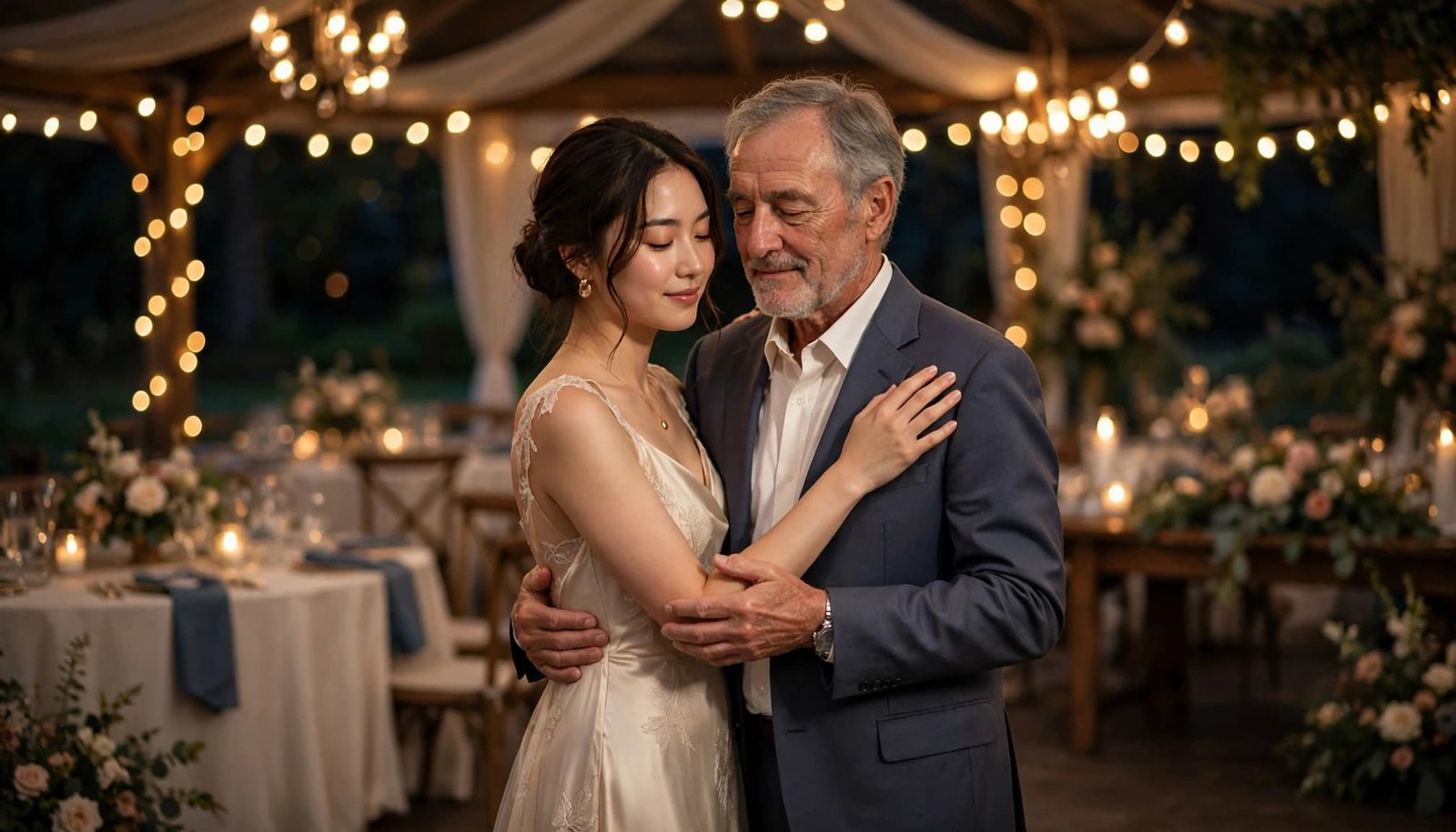
This moment is often tender, but it doesn’t have to be solemn. Country songs, soul, classic rock, and acoustic music offer options beyond traditional ballads.
Familiar Songs That Still Feel Genuine
- “My Little Girl” by Tim McGraw has a protective, proud parent point of view and a gentle country arrangement. It can suit a close relationship, though its focus on a young child may feel too sentimental for some adults.
- “Forever Now” by Michael Buble captures a parent watching a child step into a new chapter. Its warm, emotional tone works well when you want a quieter room and a meaningful finish.
- “Isn’t She Lovely” by Stevie Wonder brings joyful energy and a familiar groove. The song celebrates a newborn daughter, so it may fit best when that early-life perspective feels authentic to your relationship.
- “I Loved Her First” by Heartland remains one of the most popular selections because it captures a father’s pride and the shift that comes with marriage. Its lyrics can feel intensely emotional, so consider a shorter edit if neither of you enjoys being the center of attention for long.
For more traditional inspiration, this collection of father-daughter wedding songs can help you compare different eras and styles.
Less Traditional Father-Daughter Picks
- “Father and Daughter” by Paul Simon is upbeat, affectionate, and a little playful. It works well for a family that wants warmth without a slow, tearful ballad.
- “Sweet Child o’ Mine” by Guns N’ Roses can be a fun rock choice, especially for families with a shared love of the band. The original recording isn’t built for a slow dance, so choose an acoustic version or plan a relaxed sway rather than a formal ballroom moment.
- “You Are the Sunshine of My Life” by Stevie Wonder feels bright, soulful, and celebratory. Its original message is romantic, which is worth considering, but many families use it comfortably as a broad expression of love.
- “Home” by Phillip Phillips has an anthemic, supportive feeling that works well for a parent who has always made home feel safe. The beat is stronger than a classic slow dance, which can help a nervous dancer relax.
Mother-Son Dance Songs That Feel Warm and Personal
A mother-son dance can be soft and sentimental, but it can also feel joyful, funny, or full of movement. The best choice reflects your relationship instead of forcing a formal tradition.
Classic Mother-Son Dance Choices
- “Forever Young” by Rod Stewart sounds like a parent’s wish for a child’s full and happy life. Its gentle rhythm and hopeful message work beautifully, though the song may feel long without an edit.
- “Simple Man” by Lynyrd Skynyrd centers on a mother’s practical advice and lasting love. It’s a meaningful option for rock-loving families, but its reflective tone may not suit a lively celebration.
- “How Sweet It Is (To Be Loved by You)” by James Taylor brings easygoing warmth and a comfortable groove. The song was written as a romantic love song, so choose it because the feeling fits, not because the title does.
- “A Song for Mama” by Boyz II Men directly honors a mother’s care and sacrifice. It can create a powerful moment when her support has been steady, but the emotional lyrics may bring tears quickly.
Unique Mother-Son Dance Songs
- “The Mother” by Brandi Carlile presents a modern, honest view of motherhood. It’s beautifully written, though its conversational lyrics and raw emotion may feel more private than some couples prefer.
- “Landslide” by Fleetwood Mac reflects change, growth, and the movement of life. It isn’t a traditional parent song, which can make it right for a more reflective family connection.
- “93 Million Miles” by Jason Mraz carries a reassuring message about always having a place to return to. It’s a strong choice for a parent and child who value encouragement over formality.
- “Sweetest Devotion” by Adele is lively, affectionate, and full of gratitude. Its energy makes this mother-son dance a good fit when you want to end with smiles instead of a room full of tissues.
Combined Parent Dance Songs That Save Time
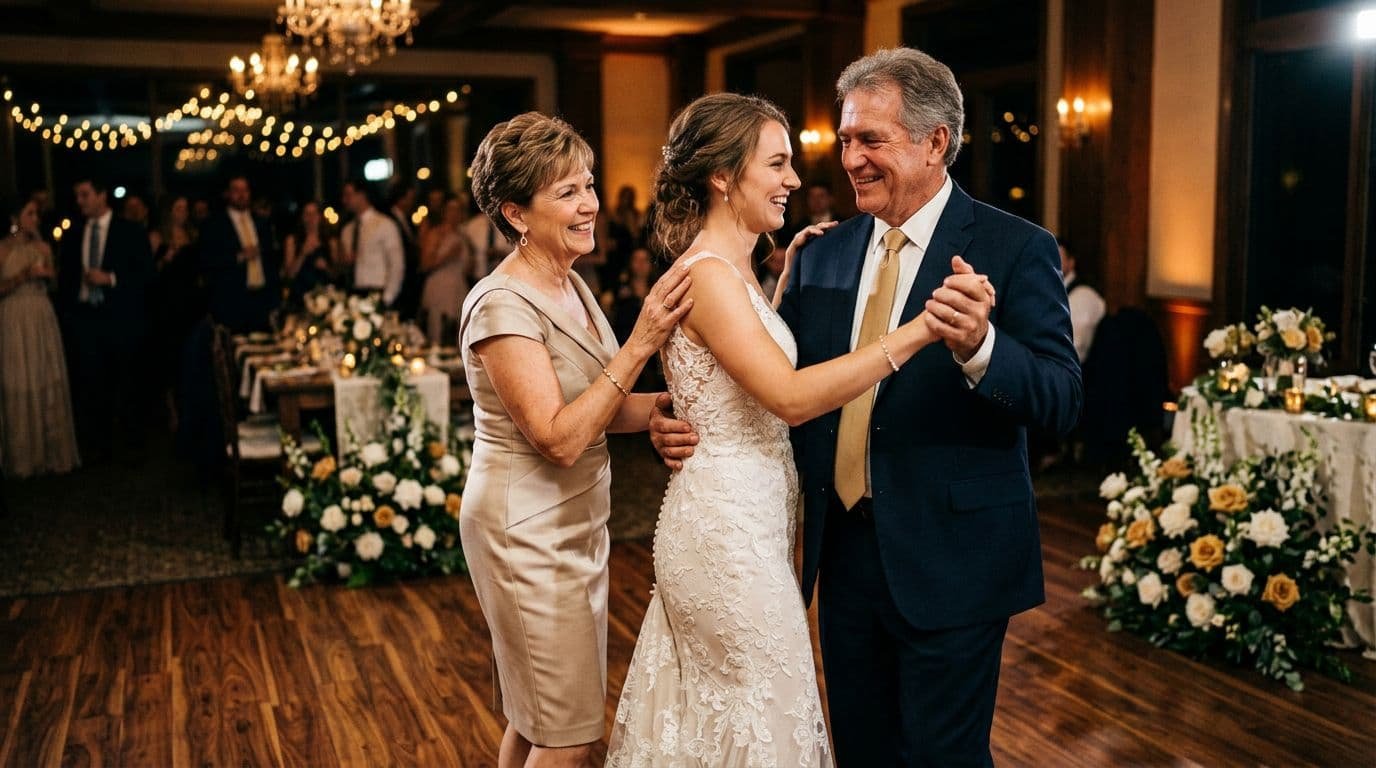
A combined parent dance can honor both families while keeping the celebration moving. Each partner may dance with a parent at the same time, or everyone can join one shared song after the couple’s opening dance.
One Song, Shared Moment
These options work because their message welcomes every parental figure. Parents, step-parents, grandparents, and chosen family can all feel included.
| Song | Reception Feeling | Consider Before Choosing |
|---|---|---|
| “Lean on Me” by Bill Withers | Supportive, familiar, and welcoming | It is more communal than sentimental, which may be perfect for a larger family dance. |
| “You’ve Got a Friend” by James Taylor | Gentle loyalty and lifelong support | The tempo is relaxed, and a two-minute edit usually works best. |
| “Count on Me” by Bruno Mars | Bright, modern, and easy for guests to recognize | Its friendship theme is less traditional, but it fits chosen-family celebrations well. |
| “Stand By Me” by Ben E. King | Timeless devotion and comfort | The original meaning is romantic, so consider whether that language feels natural for your family. |
The takeaway is simple: a combined dance doesn’t need a parent-specific lyric to feel personal. It needs a message that includes everyone on the floor.
Invite Others In Without Losing the Moment
Start with the couple and their selected parents or family members. After 60 to 90 seconds, the DJ can invite others to join the dance floor. Siblings, grandparents, wedding party members, or all guests can take part.
A shared dance is also a thoughtful answer when there are several people to honor. It avoids an uncomfortable spotlight and keeps the schedule from becoming a long series of separate dances.
Plan the Parent Dances Into the Reception Flow
Traditionally, the first dance comes early, followed by parent dances, then guests are invited onto the dance floor. That order often feels natural because formal photos are complete, dinner hasn’t slowed the energy, and guests are already focused on the couple. WeddingWire’s guide to reception dance order shows one common format, but your reception timeline can change to fit meal service, speeches, and family needs.
Give Your Wedding DJ Clear Cues
Send your final music selection and broader wedding music plan well before the wedding day. Include the artist, exact version, requested start point, preferred fade point, any special request, and who should be introduced. If you’re using a band, confirm the arrangement and whether you want live music or the original recording.
The DJ should have a printed reception timeline, tested microphones for introductions, backup playback, and offline copies of approved music. Don’t rely on a personal streaming account alone for reception music. Confirm your venue’s music coverage and the entertainment company’s playback plan ahead of time.
Introductions Should Be Short and Kind
A brief introduction gives the dance context without making it feel like a speech. “Please welcome [name] and [name] for a special family dance” is often all you need.
Tell the DJ how each person wants to be named. A parent may prefer “Mom,” “Dad,” “stepfather,” “bonus mom,” a first name, or another title that feels right. Clear introductions avoid awkward assumptions and help every family member feel respected.
Make Space for Blended Families and Chosen Family
There is no single family structure for a wedding reception. Same-sex couples may each dance with a mother, father, grandparent, sibling, mentor, or another parental figure who filled that role. A bride may dance with her mother. A groom may dance with his grandfather. Some couples may skip this wedding tradition entirely and share a private toast or photo instead.
When parents are divorced, talk early and directly about the plan. These conversations can set expectations before the wedding day, protect the family bond, and reduce discomfort. A separate dance for each parent can work well. So can one group dance, a short song change, or a meaningful acknowledgment during speeches. The Knot offers useful ideas for planning a wedding with divorced parents, including ways to reduce uncertainty before the celebration.

Photo by Luis Becerra Fotografo
Frequently Asked Questions
How long should a parent dance last?
A parent dance usually works best at about two to three minutes. That gives you enough time to share the song’s emotional high point while keeping the reception moving naturally.
Do parent dance songs need to mention a mother, father, or daughter?
No, a song does not need parent-specific lyrics to feel meaningful. A shared favorite, family tradition, or song about support and home may fit the relationship better than a traditional wedding selection.
Can we combine parent dances into one song?
Yes, a combined parent dance can honor both families and save time. Start with the couple and selected family members, then invite additional relatives or guests to join after 60 to 90 seconds.
What should we do if our parents are divorced?
Discuss the plan early and choose a format that protects everyone’s comfort. Separate dances, one group dance, a song change, or a meaningful acknowledgment during speeches can all work well.
How should we prepare the DJ or band?
Share the exact artist and recording, requested start and fade points, introduction wording, and names or titles for everyone involved. Confirm the timeline, microphones, backup playback, and offline music copies before the wedding day.
A Meaningful Moment Is the Right Tradition
The most memorable parent dance songs aren’t always the most requested. They’re the ones that reflect your history, honor everyone involved, and support the feeling you want in the room.
Keep the format short, communicate every cue clearly, and choose a song that feels natural to dance to. A well-planned parent dance gives your family a sincere moment, then opens the floor for the celebration ahead.