The best DJ can be unavailable before you have picked your centerpieces. Once your venue and date are confirmed, booking your DJ should move near the top of your wedding planning list.
Music shapes the ceremony, cocktail hour, dinner, introductions, toasts, and celebration. Couples may also compare DJ-led entertainment with live music. A professional DJ helps keep those moments on time, so early planning gives you more choice and less pressure.
The date comes first. The music details can follow.
Key Takeaways
- Contact and book your New Hampshire wedding DJ as soon as your venue and date are confirmed; a 12- to 18-month window gives you the widest choice.
- Compare the full service scope and written pricing, including ceremony audio, cocktail hour, reception coverage, lighting, setup, travel, overtime, and backup equipment.
- Interview the DJ about master of ceremonies responsibilities, timeline coordination, guest requests, outdoor sound, and who will actually perform at your wedding.
- Finalize the music plan after booking by choosing key songs, creating must-play and do-not-play lists, and allowing the DJ to read the dance floor.
- Protect your plans with a clear contract covering logistics, payments, cancellation or postponement terms, weather contingencies, and a final planning meeting four to six weeks before the wedding.
When to Book a New Hampshire Wedding DJ
For most couples, the right time to contact a DJ is immediately after the venue contract is signed. Popular Saturdays, especially during the late spring through fall wedding season, often receive the earliest inquiries. New Hampshire weddings in September and October can be particularly competitive because foliage season is such a favorite time for celebrations.
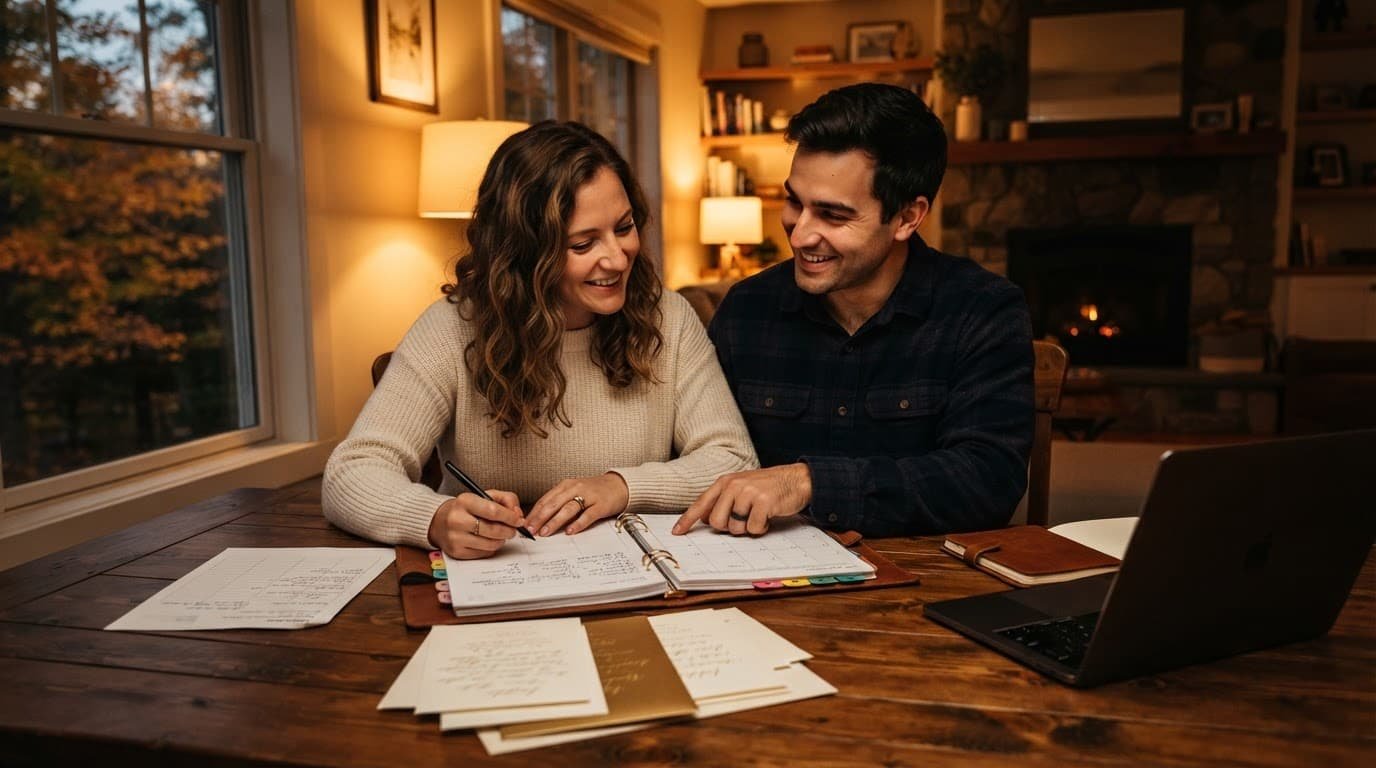
Give yourself 12 months for the widest choice
A 12- to 18-month window gives you the most flexibility if you want a specific experienced DJ, a Saturday date, ceremony sound, lighting, or a full reception package. It also leaves room for a planning meeting before other wedding decisions begin competing for your attention. Popular New England wedding dates can fill early, even when the venue is outside a major city.
If you’re hiring a mobile DJ who travels between New Hampshire wedding venues, early contact is especially helpful. Lakeside properties, barns, mountain venues, and private estates may need added travel time, outdoor audio planning, weather contingencies, and a detailed setup schedule.
Booking your DJ secures the person and service level you want. It does not mean you must finish every song choice that same week.
Six to nine months can still work
Six to nine months out can be a good booking window, particularly for winter dates, Fridays, Sundays, and weekday weddings. You may have fewer DJs available, but there are still strong options if you are prepared to make a decision after a thoughtful consultation.
With fewer than six months remaining, reach out quickly and be clear about your date, venue, guest count, ceremony plans, and reception hours. Flexibility with lighting, package additions, or event timing can help when availability is limited.
What a Wedding DJ in New Hampshire May Cost
DJ pricing is not one fixed number because weddings are not one fixed event. A short reception with music and basic hosting has a different scope than full-service wedding entertainment. That scope may include ceremony audio, cocktail hour coverage, dinner music, dance-floor lighting, and eight hours of coordination.
The New Hampshire DJ cost listings on The Bash show a statewide average of $575 for general DJ hire. That figure offers a useful New England reference point, but wedding-specific pricing varies by service scope. Wedding entertainment usually costs more because it includes planning, specialized equipment, and extended coverage. It also carries the responsibility of guiding an important event.
Compare the full scope, not the lowest quote
Many New Hampshire wedding DJ packages begin around $700 to $1,000, while more complete wedding services often fall between $1,500 and $2,500 or more. A professional production may include ceremony audio, uplighting, photo booth options, additional staff, or extended hours. Live music and a mobile DJ may have different production needs, while travel, load-in, and venue logistics can affect the quote.
Ask each DJ to show what is included in writing:
- Total performance time, setup time, and breakdown time
- Ceremony, cocktail hour, dinner, and reception coverage
- DJ and master of ceremonies responsibilities
- Lighting, microphones, speakers, other audio equipment, and backup gear
- Travel, parking, lodging, and overtime fees
A lower quote can become less appealing if it leaves out the equipment or planning your wedding needs.
Decide What Your Entertainment Package Should Include
Before comparing packages, picture the entire guest experience. The right service is not only about the final dance party. It also helps guests hear the ceremony, know when dinner begins, and enjoy comfortable guest conversation throughout the evening.
Some providers bundle planning meetings, music preparation, and reception hosting into their packages. For example, AllStar wedding DJ package details describe planning support, music programming, and pre-wedding consultations as part of the service. Every company is different. If you’re comparing a DJ package with a live music option, confirm the exact services rather than assuming.
Ceremony sound is a separate planning need
Outdoor ceremonies at lakeside locations can sound beautiful, but open air does not carry voices like a ballroom. Ask whether the DJ provides a suitable sound system, battery-powered speakers, and a wireless microphone for the officiant. Confirm the ceremony music covers the processional, entrance, and recessional.
A battery-powered system can be useful when power is distant or unavailable. Still, your DJ should review the ceremony location, access route, weather plan, and expected guest count before promising the right setup.
Also confirm who will provide music during guest arrival. That quiet half-hour before the ceremony begins sets the mood more than many couples expect.
Lighting and add-ons should match the room
Wireless uplighting can add warmth to a barn, ballroom, or tent. A wedding package may include uplighting as an optional room treatment.
Event lighting, including dance floor lighting, can make the reception feel more festive once formalities are complete. A photo booth, 360 booth, or other special effects may also fit your plans, but these additions shouldn’t take priority over clear sound and reliable coordination.
Start with quality audio, an experienced DJ, and a realistic event schedule. Add visual upgrades after those essentials are covered.
Interview the DJ Before You Sign
A polished website is a starting point, not the final decision. Schedule a conversation with a professional DJ and listen for practical answers. Look for questions about your venue, guest mix, communication style, and timeline management. If you’re considering live music too, compare each provider’s preparation, not just promises of a great party.
Ask how they handle the microphone
A DJ can be an excellent music mixer and still not be the right master of ceremonies for your wedding. Discuss their event hosting approach, including wedding party introductions, key moments, toasts, and coordination with your wedding coordinator. Ask how they communicate with the photographer, caterer, and the venue’s wedding vendor team.
The best hosting feels confident and natural. Guests should know what’s happening without hearing an announcer take over the room.
Ask whether the DJ follows a written timeline, who approves changes during the reception, and how they handle a late dinner or an unexpected speech. Those answers reveal a great deal about their preparation.
Know the difference between a solo DJ and a production company
A solo mobile DJ often travels with a compact setup and may offer a highly personal experience. You often communicate with the same person who performs at your wedding. That makes it easier to assess the professional entertainer, not just the equipment.
A larger entertainment company may provide several DJs, upgraded lighting, uplighting, photo booths, and backup staffing. That can be useful for a larger event or a couple that wants multiple services under one agreement.
Neither option is automatically better. Ask who will actually attend, whether your DJ is guaranteed, and what coverage applies if illness or an emergency affects the assigned entertainer.
Finalize Music Details After Booking
Once your entertainment is booked, you can breathe. You do not need a finished playlist months before the wedding. Most couples make stronger choices after the ceremony, catering, and reception timing are clearer.
Build the music plan in layers
Start your music selection with the moments that matter most. Choose ceremony music, the grand entrance, first dance, parent dances, cake cutting, and last song. Then create a short must-play list, a do-not-play list, and a few genres you enjoy.
Use a custom playlist as a curated foundation, not a song-by-song schedule.
Leave room for professional judgment. A DJ reads the crowd by watching who responds to each style, age group, tempo, and familiar chorus. The goal is not to play every requested song. Strong reception music balances your preferences with smart transitions that keep guests involved.
For cocktail hour, select music that feels welcoming without drowning out conversation. Plan for the scheduled time plus 15 to 30 extra minutes, since photos, weather, and family logistics can shift the schedule.
Set a guest-request policy together
Song requests can bring fun surprises, but they can also conflict with your preferences. Tell your DJ whether requests are welcome, whether certain songs are off limits, and whether they should check with you before playing anything questionable.
A clear do-not-play list is more useful than a list of 200 songs. Include artists, genres, explicit lyrics, or specific songs that do not fit your celebration.
Protect the Plan With a Clear Contract
A well-written DJ contract keeps small questions from becoming day-of stress and protects your wedding reception plan. Read it before paying the retainer, then save a copy with your venue contract and other wedding documents.
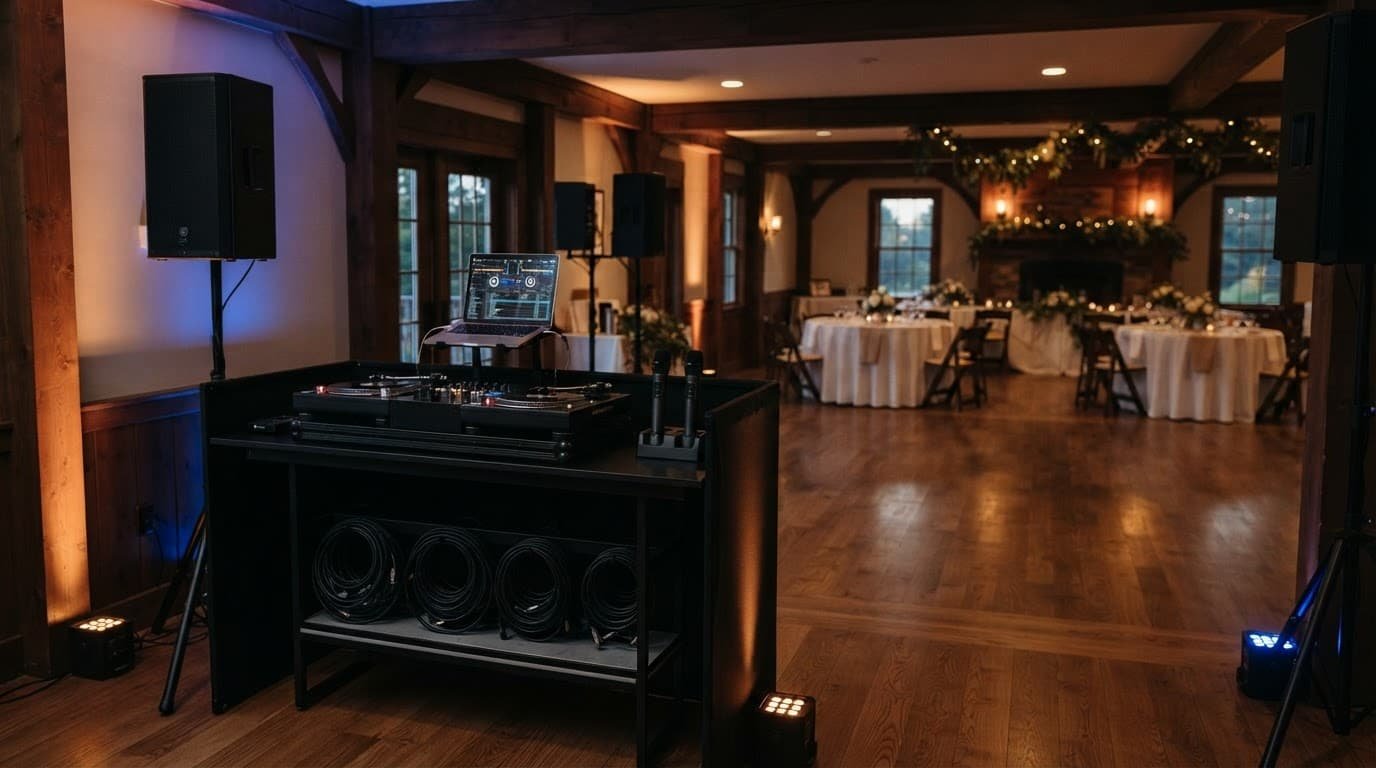
Confirm logistics and technical reliability
Ask when the DJ will arrive. Many professional setups require 1.5 to 2 hours before guest arrival for load-in, speaker placement, sound checks, and cable management.
Confirm power access, parking, stairs, elevator access, outdoor terrain, and where the DJ setup and wireless uplighting will be placed. A small venue detail can affect setup time and sound coverage.
Ask direct questions about backup equipment. A professional should have a practical plan for replacement cables, microphones, playback devices, and other audio equipment. For outdoor weddings, also ask what happens if rain, wind, or unsafe conditions change the ceremony location.
Review payments, overtime, and cancellation terms
Your agreement should list the retainer, payment dates, service hours, overtime rate, and what happens if the reception runs late. Review cancellation and postponement terms before signing, including what happens if you change venues or dates.
If special effects are part of the package, confirm whether they require extra setup time, power, staffing, or fees.
Travel charges are another item to clarify. A regional pricing guide from Pioneer Valley DJs shows how ceremony audio, lighting, and longer coverage can change a package total. New Hampshire providers set their own terms, so request an itemized proposal.
Your Wedding DJ Booking Checklist
Use this checklist before you sign with a New Hampshire wedding DJ:
- Confirm availability for your date, venue, and full event hours.
- Verify whether ceremony audio, cocktail hour music, and reception coverage are included.
- Ask who will serve as the master of ceremonies and how announcements are handled.
- Review sound equipment, wireless microphones, lighting, and backup gear.
- Ask whether a photo booth is included, if desired, and clarify its hours and setup.
- Confirm whether uplighting is included, priced separately, or subject to venue restrictions.
- Discuss outdoor power, rain plans, venue access, and setup timing.
- Compare travel, parking, overtime, retainer, cancellation, and postponement terms.
- Share your must-play songs, do-not-play list, and guest-request preferences.
- Set a final planning meeting date about four to six weeks before the wedding.
Frequently Asked Questions
Can a DJ help build the reception timeline?
Yes. An experienced DJ can help schedule introductions, dinner, toasts, dances, cake cutting, and open dancing. Your DJ should coordinate with the venue team, photographer, and planner so key moments do not overlap.
Do we need to give the DJ every song?
No. Choose the songs that matter most and share your preferences, but give the DJ room to respond to the guests in the room. A flexible music plan usually feels more natural than a minute-by-minute playlist.
Are battery-powered speakers available for outdoor ceremonies?
Many DJs offer them, but availability and suitability depend on the ceremony location and guest count. Ask about battery backup, microphone range, weather procedures, and how outdoor audio will be managed.
A Confident Start to Wedding Entertainment Planning
Booking early gives you the benefit that matters most: choice. You can select a DJ whose experience, personality, sound system, and approach to wedding entertainment fit the celebration you want.
Once the date is held, the music can come together step by step. That leaves you free to enjoy the planning process and look forward to a wedding reception that feels organized, personal, and full of life.