The lake looks calm, the guests are seated, and then the officiant starts speaking into a microphone no one can hear. A beautiful setting for an outdoor wedding still needs a sound plan, from clear ceremony audio to a lively dance floor. Choosing a lake wedding DJ means finding someone who can prepare for the ceremony, guide reception entertainment, and adapt when the schedule changes.
That preparation matters whether you’re celebrating beside Lake Winnipesaukee, Squam Lake, or a smaller New Hampshire shoreline. Start with the venue itself; its layout will shape nearly every entertainment decision.
What a Lake Wedding DJ Should Know About Your Site
A lakefront venue may have a ceremony lawn, a separate cocktail area, and a reception tent or hall. These spaces can look close on a map but feel far apart when moving sound equipment. Show potential DJs the full layout before comparing packages.
Walk Through Every Event Space
Share where guests will sit, where the couple and officiant will stand, and where dancing will happen. Ask whether entertainment needs to reach more than one area at the same time. A single reception setup may not cover a ceremony at the water’s edge or a cocktail hour across the property.
Confirm access times, parking, load-in routes, and any steps or long walks between locations. If the DJ needs to reset equipment after the ceremony, build that time into the schedule rather than assuming the transition will happen instantly.
Check the Venue’s Sound Rules
Ask the venue about amplified sound limits, outdoor music end times, nearby residences, and restrictions on speaker placement. Venue acoustics vary: sound travels differently across an open shoreline than it does in a historic hall with hard surfaces and echoes.
A lake wedding DJ should be able to explain where sound will be directed, how guests will hear announcements, and whether separate coverage makes sense for each space. Check that the DJ’s PA system can be placed for clear coverage. Clear answers are more useful than a promise that the system is simply “loud enough.”
Give Ceremony Audio Its Own Plan
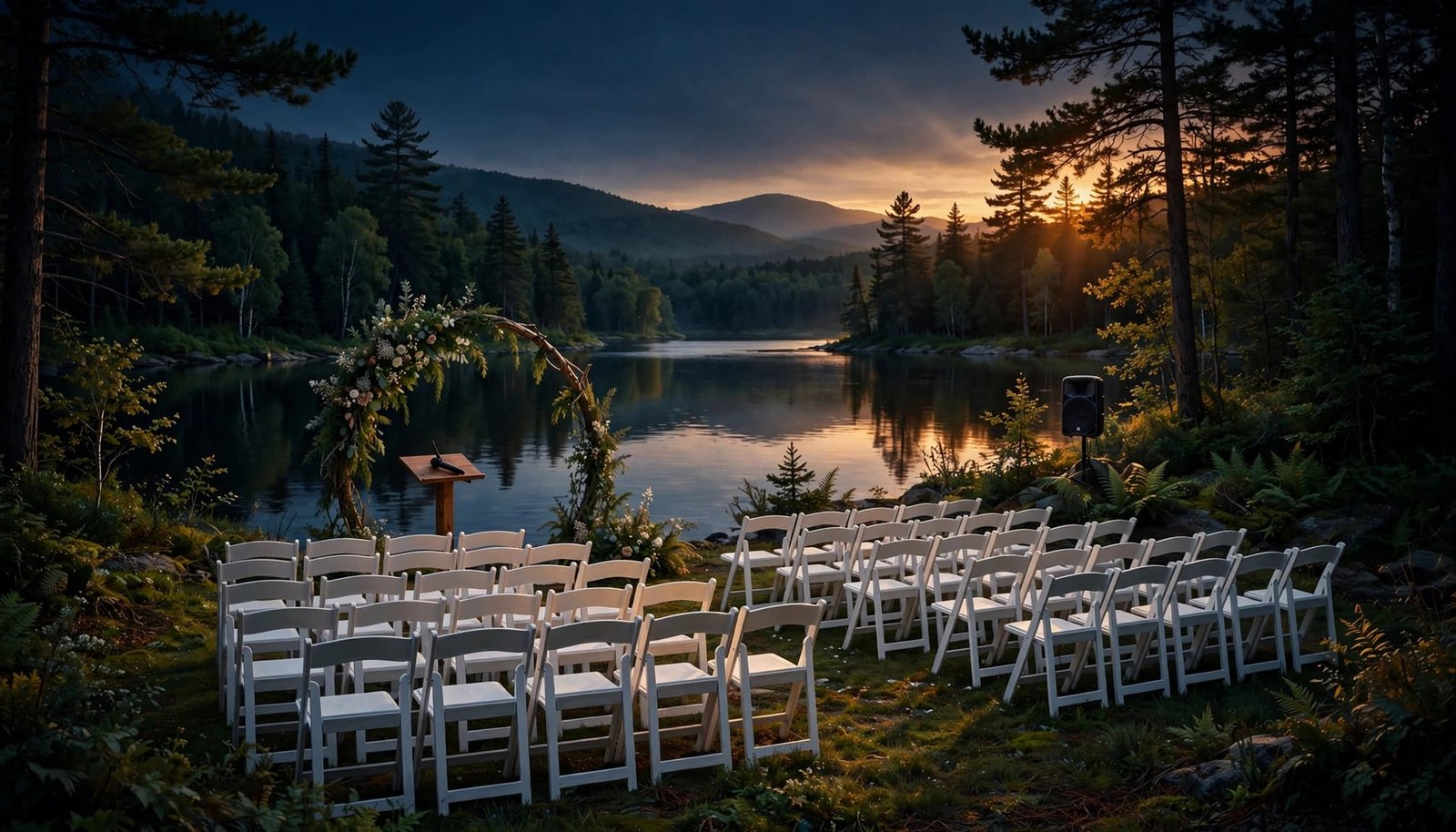
Your vows deserve the same attention as the dance floor. Wind, distance, and an open setting can affect audio clarity, even when music sounds fine during a quick test. Ask the DJ how they’ll check speech from the guest seating area.
Decide Who Needs a Microphone
The officiant will usually need one. Depending on your ceremony, you may also want guests to hear a reader, a musician, or both partners during their vows. Tell the DJ how many people will speak and whether anyone plans to move.
Wireless microphones can offer flexibility, but they need careful setup. Shure’s wireless frequency guidance explains that microphones operating on the same frequency in one location can interfere with each other. Ask who will test the microphones, check coverage, and keep a backup option ready if something stops working.
Put Music Cues in Writing
List the music for guest arrival, the wedding party entrance, the couple’s entrance, any ceremony moments, and the recessional. Include the artist and version for each selection. If a song should begin at a certain point, say so.
Also decide who gives the cue for each entrance. The DJ may be watching the aisle while the coordinator is with the wedding party; a quick plan between them prevents an uncertain pause or a song starting too soon.
Plan for Power, Weather, and Access
A lakeside setting can be wonderfully relaxed for guests. Behind the scenes, power outlets, a dry, protected setup area, and a clear route for professional equipment need firm answers. Discuss those details with the venue and DJ before the wedding week.
Confirm Power and a Practical Backup Plan
Ask the venue where approved power is available for the ceremony, cocktail hour, and reception. Then ask the DJ what power each setup and their professional equipment require, and who is responsible for providing it. A distant outlet shouldn’t become a surprise when guests are arriving.
Discuss what happens if a circuit fails or equipment needs to be moved indoors. Agree on a safe, protected indoor setup area in case weather requires a move. Backup playback, microphones, and power arrangements should be described in the proposal rather than assumed. The right plan depends on the property and the services you’ve booked.
Agree on a Weather Decision Process
Rain can force a change in layout; lightning calls for a safety decision. Identify the indoor location, who can authorize a move, and when that choice must be made so vendors have time to reset.
NOAA’s outdoor lightning safety guidance recommends making a plan before storms develop. The National Weather Service’s event guidance also stresses following the plan once it’s in place. Don’t assume a tent or covered dock is an appropriate place to wait out lightning. Follow the venue’s safety procedures and move guests to suitable shelter.
Shape Music Around the Whole Celebration
A personalized playlist begins with the atmosphere you want, not a demand for hundreds of song titles. Tell your DJ what should feel relaxed, what should feel energetic, and which moments matter most to you.
Choose Priorities, Not Every Track
Share your must-play songs, do-not-play list, preferred music genres, and any cultural or family traditions. Note whether guest requests are welcome and whether certain songs need clean versions. Those boundaries give a DJ room to read the crowd while keeping the music true to your celebration.
Include cocktail hour and dinner in that conversation. A broad music library helps only when the music selection fits the moment; the track that brings guests onto the dance floor may be a poor choice while they’re finding their seats.
Let Energy Build at the Right Pace
Some couples want open dancing immediately after dinner. Others prefer a first dance, a few familiar songs, and a gradual shift toward higher energy. Both approaches can work when the DJ knows your priorities and watches how guests respond.
At a waterfront reception, guests may step outside between songs or gather around a fire feature if the venue permits one. Positioning the dance floor near the main gathering area helps the DJ keep the celebration connected. The goal is a comfortable flow, not a rigid playlist.
Keep the Reception Timeline Moving
The DJ’s MC services help guests follow what’s next, but not every transition needs a formal announcement. Short, clear introductions and well-timed music can keep the wedding reception organized without interrupting conversations.
Give Each Formal Moment a Cue
Build a shared timeline for introductions, dinner, toasts, first dance, parent dances, cake cutting, open dancing, and the final song. Include names and pronunciations, microphone needs, and the person authorized to adjust the schedule.
Leave a little room between events. If dinner service runs late, the DJ may need to hold a toast or change the music’s pace. A professional should know which moments can shift and which vendors need notice before that happens.
Connect the DJ With Your Vendors
The photographer should be ready before the first dance begins. The caterer should know when an announcement will release guests for dinner. Your wedding planner or venue coordinator should know who gives the final cue.
Share the current schedule with everyone involved and identify a day-of contact who can make decisions if you’re busy with guests. For more help organizing those details, browse these wedding DJ planning guides.
Compare Coverage, Equipment, and Lighting
Professional DJ services can sound similar while covering different parts of the day. Compare the actual services and hours in writing, especially when the ceremony and reception are in separate locations.
Ask What the Quote Includes
Check whether the proposal covers ceremony audio, cocktail hour music, reception entertainment, wireless microphones, MC services, setup, breakdown, and travel. Ask who will perform on the day, how long they’ll be on site, and what overtime costs if the reception runs late.
Clarify how the DJ handles a change in the event schedule or an equipment problem. New Hampshire wedding DJ services from DJ Steve Neff Entertainment LLC include ceremony and reception planning, MC support, music choices, and lighting options; confirm the details of your particular quote before booking.
Match Lighting to the Venue
Uplighting can add warmth to a reception tent or hall, while party lighting can help define the celebration area after sunset. Ask what is available, where fixtures may be placed, and whether the venue restricts lighting or special effects.
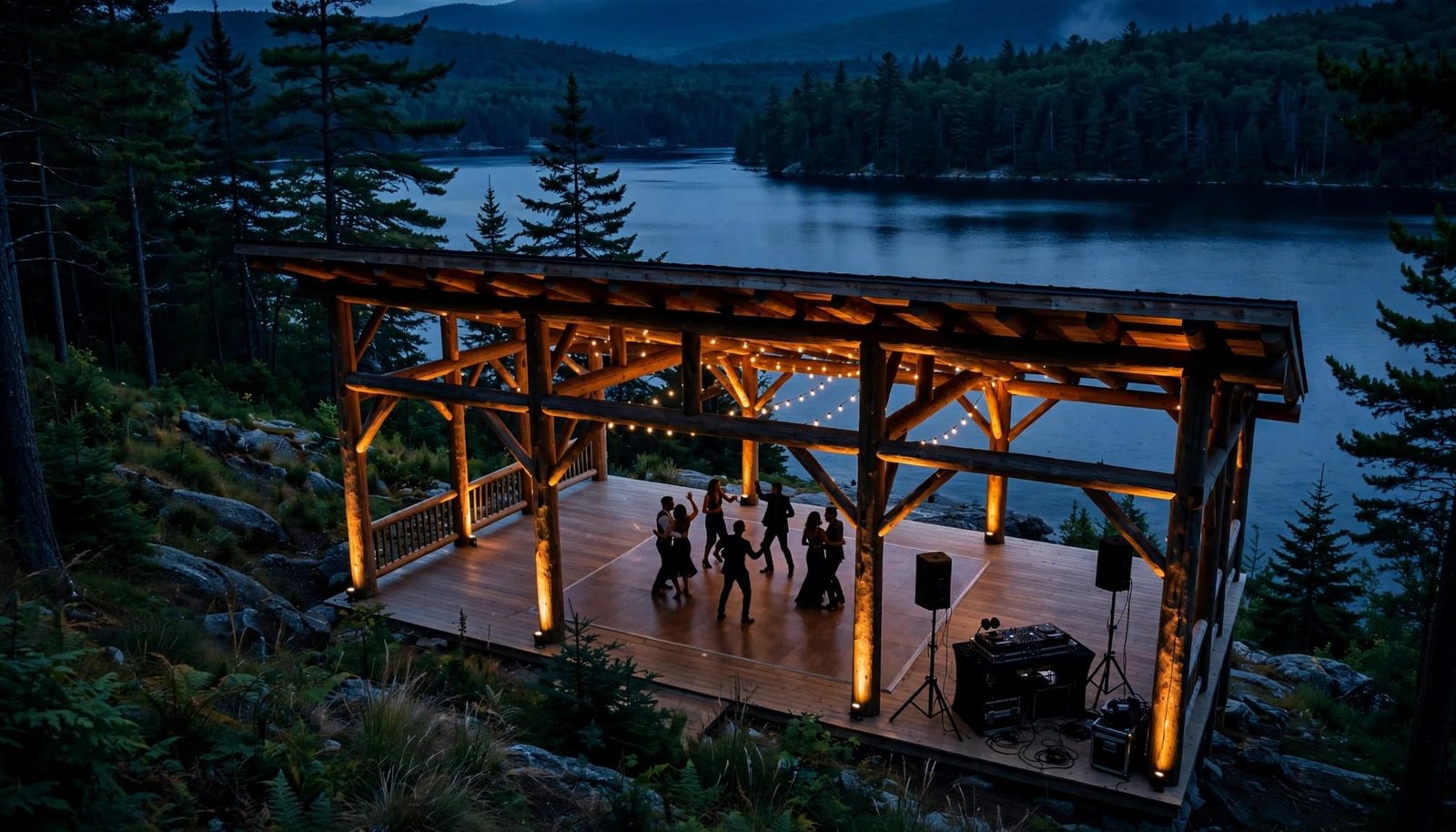
Well-placed lighting can support the setting without washing out the lake view or distracting guests during dinner. Decide what fits your celebration before adding features to a package.
Book Early Enough to Plan Well
Once your date and venue are confirmed, check DJ availability. Popular New Hampshire wedding dates can fill, but there’s no single booking deadline that applies to every couple or season. Contact your preferred DJs early in the event planning process to compare their approach, review a contract, and discuss the site.
During the conversation, ask how they’ll cover each location, coordinate with vendors, handle guest requests, and respond to a weather change. Look for specific, calm answers. Reliable communication during planning is a good sign that the day itself will feel organized.
Before signing, review the total price, payment schedule, travel charges, overtime, cancellation and postponement terms, and the exact services included. DJ Steve Neff Entertainment LLC, based in Concord and run by Steve Neff and Jon Turgeon, brings professional DJ experience dating back to 1999. Couples can discuss a New Hampshire wedding booking with details about their date, venue, timeline, sound needs, and music preferences.
Key Takeaways
- Show DJs your full lakefront layout, including ceremony, cocktail, and reception spaces.
- Confirm microphones, power access, sound rules, weather decisions, and backup arrangements in writing.
- Share music priorities and a flexible timeline, then connect your DJ with the vendors responsible for major cues.
- Compare quotes by coverage and coordination, not price alone.
Frequently Asked Questions
Does an outdoor lake ceremony need different sound equipment?
It may need a separate setup, depending on the distance to the reception space and where guests are seated. Ask the DJ to recommend speaker placement and microphones for your layout. The most useful test is whether guests at the back can hear speech clearly without uncomfortable volume near the front.
Can a Wedding DJ Help Plan the Reception Timeline?
Yes. A DJ can help sequence entrances, dances, toasts, dinner, and open dancing so the room has a natural rhythm. Your planner or designated venue contact should approve major changes, while the DJ coordinates music and announcements with the photographer and caterer.
How Much Music Direction Should We Give Our DJ?
Give your DJ the songs that matter most, songs you don’t want, preferred genres, and guidance on guest requests. You don’t need to choose every track. Leave room for the DJ to respond to your guests while staying within the boundaries you’ve set.
A Celebration That Sounds as Good as It Looks
The lake provides the view. Good preparation supports the guest experience across each space. It helps everyone hear the ceremony, follow the evening, and enjoy the music. Choose a DJ who asks about the site as carefully as they ask about your first dance.
With the layout, cues, and weather plan settled ahead of time, you can spend more of the day with your guests and less of it solving avoidable problems.