A packed dance floor does not come from the longest wedding playlist. It comes from the right song at the right moment, with a DJ or band that knows when to build energy, switch direction, and keep your wedding celebration moving.
For most couples, 60 to 90 wedding reception songs is a strong planning target for a four to five-hour wedding reception. That number includes special moments, dinner music, and open dancing. Build in a 15 to 25 percent buffer, then let your entertainment team handle the flow.
Key Takeaways
- Plan for roughly 15 to 20 wedding playlist tracks per hour of active dance floor time.
- A four to five-hour reception usually needs 60 to 90 songs, plus extra options.
- Special moments need their own songs, but most only use a short, well-timed portion.
- Give your DJ a focused must-play list rather than overloading the DJ playlist.
- A professional DJ adjusts the reception music in real time instead of playing every track in order.
How Many Wedding Reception Songs Fit Your Timeline?
The simple answer is about 20 songs per hour, but a wedding reception is not one long dance set. There are entrances, toasts, dinner, cake cutting, parent dances, and moments when guests are talking instead of dancing while your reception playlist runs in the background.
A DJ may play only two or three minutes of a dance music track before mixing into the next song to keep momentum alive on the dance floor. That means open dancing can move quickly. Dinner music may run longer and sit lower in the room, giving guests space to talk and enjoy their meal.
Use this estimate as a practical starting point:
| Reception Length | Suggested Song Pool | Good Buffer |
|---|---|---|
| 3 hours | 45 to 60 songs | 10 to 15 extra songs |
| 4 hours | 60 to 75 songs | 15 to 20 extra songs |
| 5 hours | 75 to 90 songs | 20 to 25 extra songs |
| 6 hours | 90 to 110 songs | 25 to 30 extra songs |
The larger number is not a demand that every track plays. It gives your DJ options when the room responds strongly to country, throwbacks, Top 40, hip-hop, EDM, oldies, or high-energy party songs that pack the dance floor.
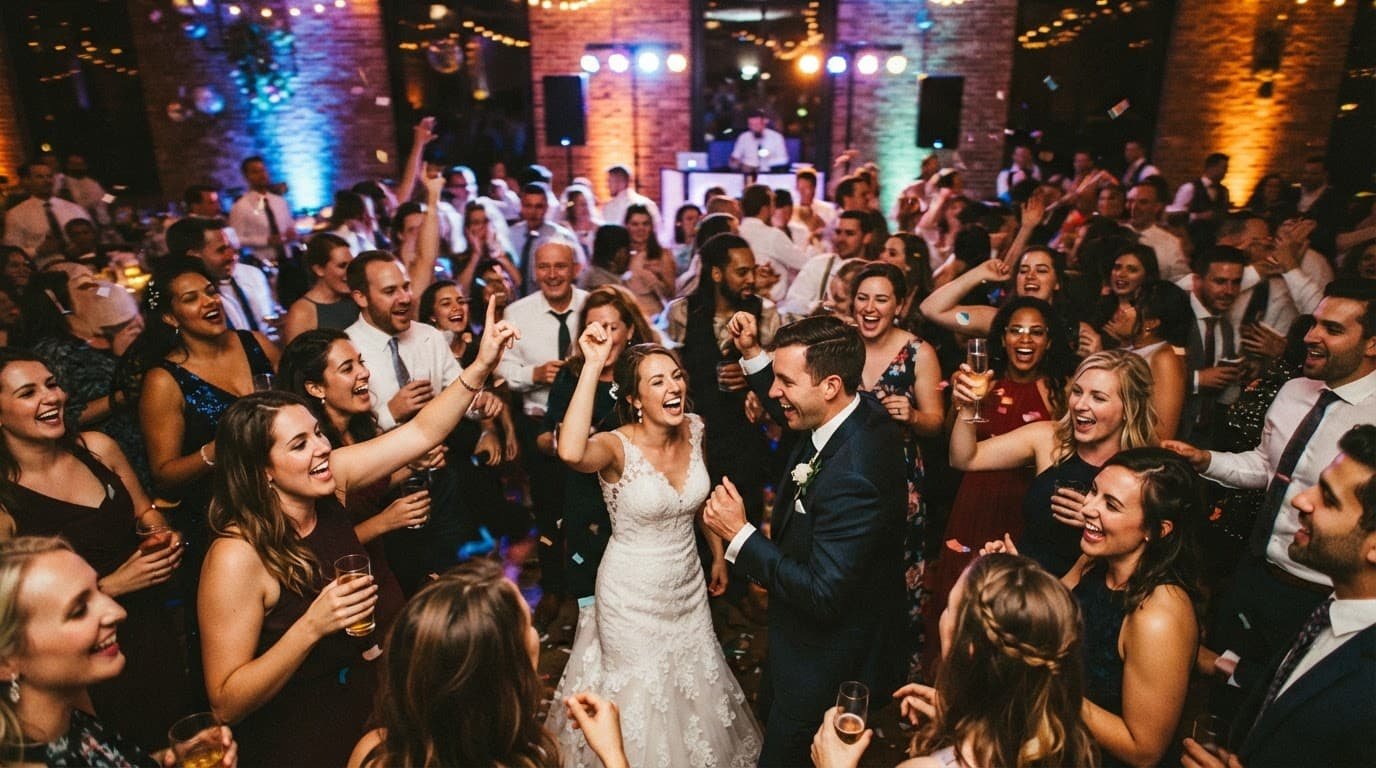
A five-hour wedding day timeline can easily include cocktail hour, dinner, formalities, and two or more hours of dancing. Those parts need different energy. Playing every big wedding song too early is like serving dessert before dinner. The guests may enjoy it, but the night has nowhere to go.
Your playlist is a guide, not a rigid schedule. The best wedding reception music leaves room for real guest reactions.
If you have a live band, the math changes. Bands often play in sets with breaks, and they may perform fewer tracks per hour than a DJ mixes for a sustained dance party. Ask about the number of sets, break music, and whether a DJ will cover cocktail hour or late-night dancing.
Set Aside Songs for Every Special Moment
Special moments do not require dozens of full songs. Most use one song, or even a carefully selected section of one song. Your DJ should know the exact timing, the correct version, and who is involved before the reception begins.
These special moments usually need music:
- Grand entrance: One high-energy song for your grand entrance with the wedding party and couple, or separate songs if you want a bigger introduction.
- First dance: One full song or a shortened edit for your first dance. Many couples choose a two to three-minute cut if the original runs long.
- Parent dances: A dedicated track for a traditional father daughter dance and a mother son dance, unless one shared selection fits your family.
- Cake cutting: One fun, light song. This moment often needs only 30 to 60 seconds.
- Bouquet toss: One upbeat selection if you are including it.
- Garter removal and toss: One or two songs if this tradition fits your reception.
- Last dance: One last dance song that gives the night a real finish.
That is often seven to 12 selections before open dancing begins. Some couples add an anniversary dance, a private last dance, or a cultural dance. Those choices are personal, and they should fit your celebration, not a template.
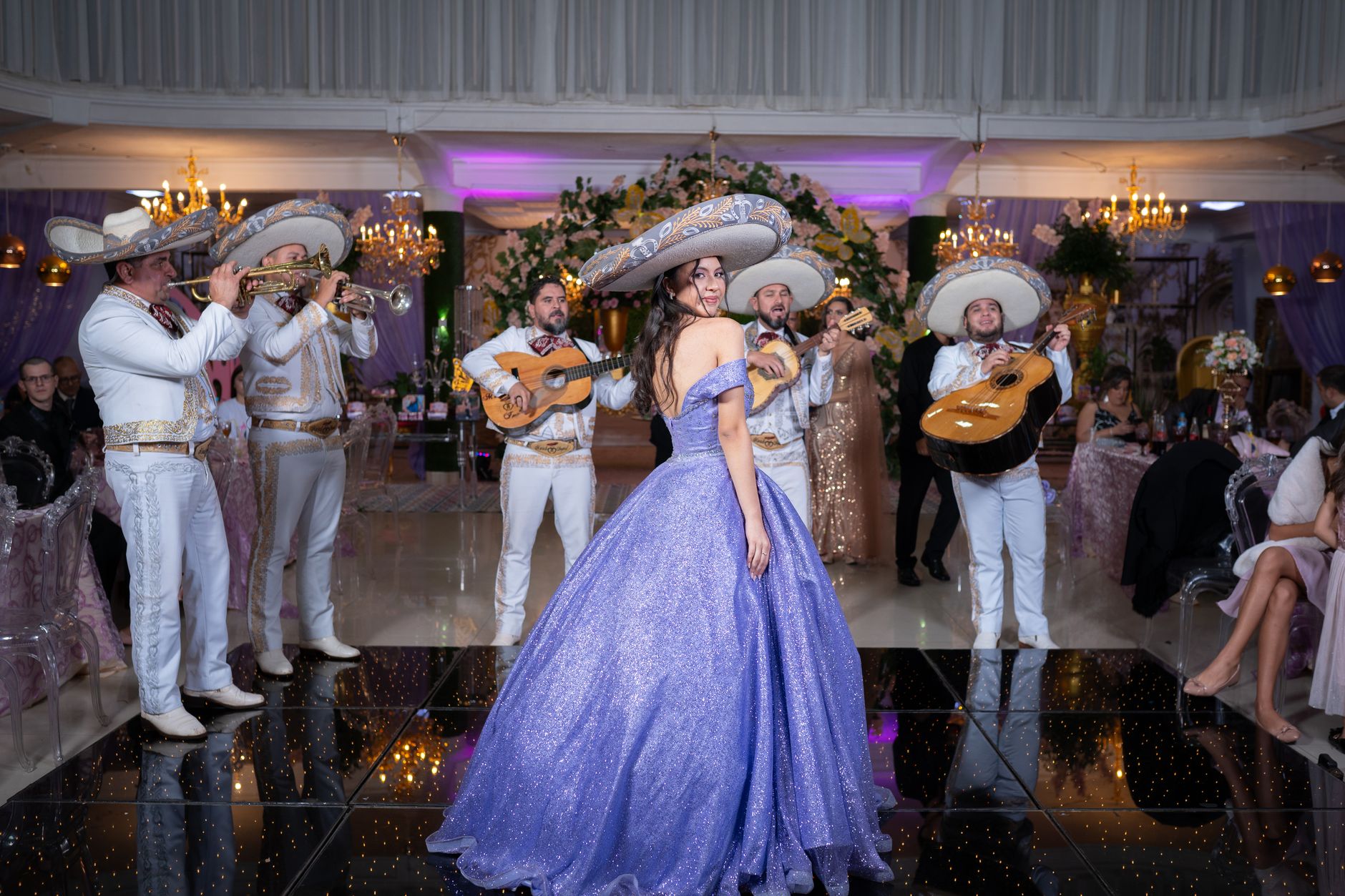
Photo by Juliano Astc
Choose love songs and romantic songs you will still love years from now. A first dance does not need to be slow. A grand entrance does not need to be loud. The strongest choice is the one that feels like you.
Send your special-moment selections early. A professional DJ can confirm clean edits, cue points, fade-outs, and the order of events. That small bit of planning protects the best wedding songs and ensures your favorite love songs play at the right time.
Build a Must-Play List Without Overloading It
Your wedding playlist should be focused. Around 15 to 25 tracks are usually enough for most wedding receptions. These are the songs you truly want to hear, not every single tune you like.
Start with the tracks that matter most to both of you. Add a few favorites for your closest guests, and then include reliable party songs that fill the dance floor. If your families love country, make room for it. If your friends will sing every word to 2000s pop and hip-hop, tell your DJ.
Too many must-plays can make a reception feel locked into someone else’s idea of a rigid DJ playlist. It also leaves less room for crowd reading. A song can be popular and still be wrong for that exact moment.
Your broader request list can be much longer and serve as a helpful wedding playlist guide. Include artists, genres, decades, and a few party songs that fit the overall mood. Your DJ can use those ideas without forcing every request into the night.
A great music plan for your reception party has three layers:
- Your essential songs and formalities.
- A short list of crowd favorites and personal requests.
- Professional judgment based on the guests in the room.
Not every track will play in full. That is normal. A strong DJ building a custom DJ playlist may use the chorus of a familiar track, mix out while the energy is high, and move into a better fit for the dance floor. Guests remember the momentum, not whether every song reached its final verse.
Your Do-Not-Play List Matters Just as Much
A do-not-play list is not negative. It is one of the easiest ways to make your wedding reception feel personal.
Maybe you never want to hear “Chicken Dance.” Maybe a song has an awkward family connection. Perhaps you want no line dances, no explicit lyrics, no breakup songs, or no requests from guests. Put it in writing to protect your reception playlist.
Keep the list clear and reasonable. A handful of firm boundaries helps your DJ make confident decisions. A list of 100 banned songs, such as certain wedding songs that clash with your vibe, can remove too much flexibility, especially if your crowd responds well to a style you did not expect.
Also decide how you want guest requests handled. You can welcome them, limit them, or ask your DJ to use discretion to protect the guest experience. The best approach is often simple: guests can request music, but the DJ only plays tracks that fit the room, keep the dance floor packed, and match your preferences during the reception party.
A request is feedback, not a promise. The song a guest loves at home may not work during a full dance floor moment.
This is where wedding reception songs become more than a list. They become part of the evening’s pacing, personality, and overall guest experience.
Coordinate Your Wedding Reception Songs With Your DJ or Band
Do not wait until the week of your wedding day to share music details. Start the conversation as soon as your timeline takes shape.
Give your DJ or band the reception schedule, venue details, formal names for introductions, and your reception music selections. Let them know when dinner begins, when speeches happen, and whether the venue has a hard end time.
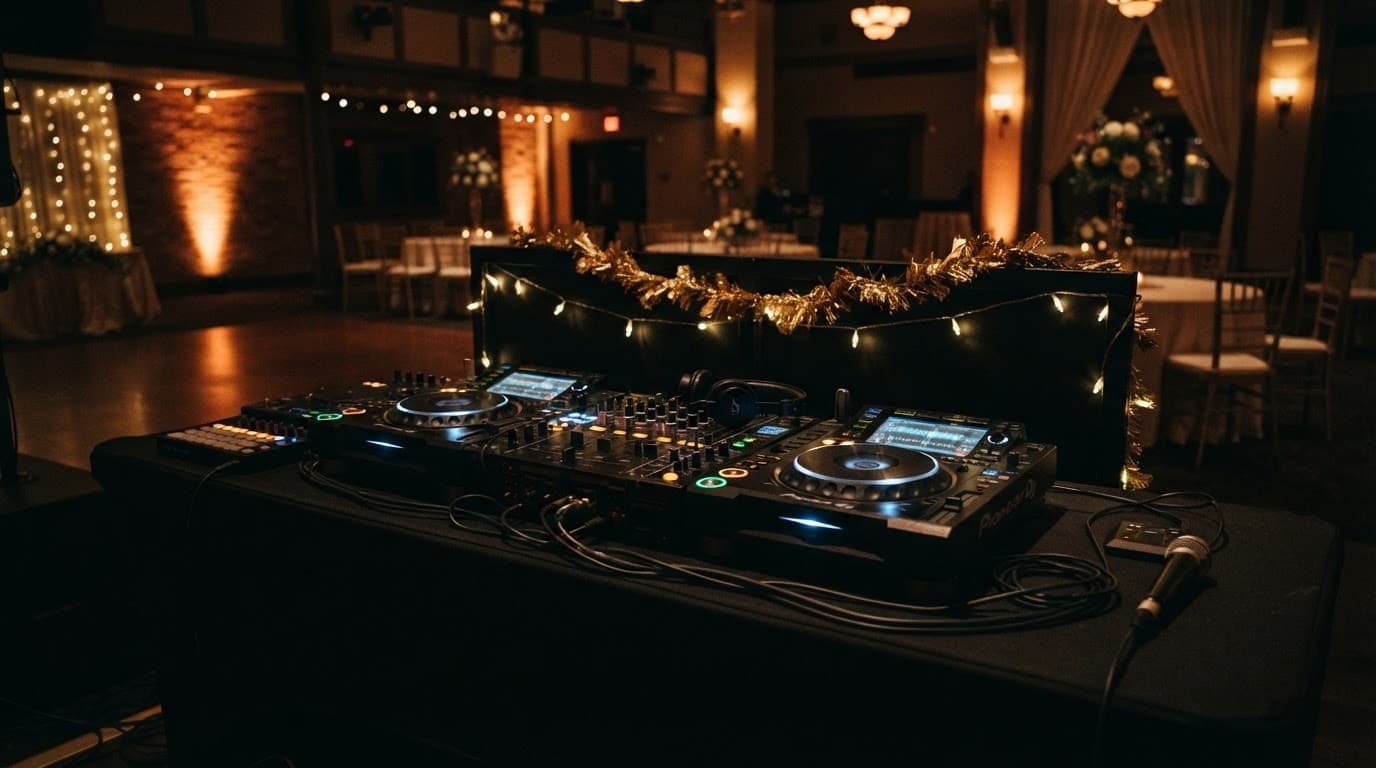
Ask practical questions before the event:
- How will you handle announcements and coordinate with the caterer?
- Can you adjust the song plan if dinner runs late?
- Do you bring backup equipment for critical audio needs?
- Will you take requests, and how do you filter them?
- Can you provide reception music during cocktail hour, dinner, and dancing?
Timing changes happen at weddings. Family photos run long. Toasts take extra time. Guests may need another 20 minutes to finish dinner. A pre-made playlist cannot react to that. An experienced entertainer can.
For New Hampshire couples, a local DJ who knows the venues, room layouts, sound needs, and event pace can make a major difference on your wedding day. Clear microphones, balanced sound, tasteful lighting, and confident hosting keep the wedding celebration organized while elevating the overall guest experience as the dance party gets underway.
Frequently Asked Questions
How many songs do I need for a four-hour wedding reception?
For a typical four-hour reception, you should plan for a song pool of 60 to 75 tracks, plus a buffer of 15 to 20 extra songs. This accounts for special formalities, dinner music, and open dancing without locking your DJ into a rigid schedule.
Should I give my DJ a long list of must-play songs?
It is best to keep your must-play list focused to around 15 to 25 tracks that truly matter to you. Overloading the list removes flexibility and prevents your DJ from reading the room and keeping the dance floor packed in real time.
What should be included on a do-not-play list?
Your do-not-play list should include firm boundaries, such as songs with awkward family connections, specific genres you dislike, or tracks that clash with your overall vibe. Keeping the list clear and reasonable helps your DJ make confident decisions throughout the night.
The Right Number Creates the Right Night
Plan for 60 to 90 songs for your overall wedding playlist during a typical four to five-hour reception, then add a healthy buffer. Choose every special moments track with care, keep your must-play list focused, and be honest about songs you do not want.
The best wedding reception songs are not simply the most popular tracks. They are the songs that fit your people, your timeline, and the energy in the room. When your reception music is customized and the pacing is right, the dance floor feels effortless, memorable, and completely yours.